Facelift Cost in India - Complete Pricing Guide 2026
Written By: Dr. Shivya
Medically Reviewed By: Dr. Ruchika
Last updated: March 25, 2026
Written By: Dr. Shivya
Medically Reviewed By: Dr. Ruchika
Last updated: March 25, 2026
Face lift cost in India starts from around USD 3,750 and varies depending on the extent of surgery required, your medical history, comorbidity- if you have any, surgeon, hospital and the city where you choose to get the surgery done.
An important expense when it comes to your Facelift is your plastic surgeon's fees. IndiCure recommends highly experienced, skilled, board-certified surgeons who are capable of delivering natural-looking results. Although the charges may vary depending on the experience of the surgeon, you can be assured that you are in safe and skilled hands when you choose plastic surgery in India with IndiCure.
Depending on one's needs, men and women of all ages can benefit from different types of facelift procedures. For example, a mini-facelift could be a cost-effective option for someone with minor concerns, while others may need a deep, traditional face lift. IndiCure recommends you to explore the multiple facelift surgical options by meeting our plastic surgeon.
Another important factor that determines the cost of Facelift in India is the anesthesia cost- whether the surgery is done in GA or local anesthesia. Our team members at the hospitals will guide you with the anesthesia costs that are usually billed on an hourly basis, but you would be offered a package that is all inclusive, and that too at much discounted prices.
Having your Facelift in an accredited surgical facility by skilled and qualified medical staff is a critical factor. Moreover, the geographical location of this facility in India also affects the quote. But IndiCure provides you with a projected estimate that will be all inclusive and affordable.
The surgery-related expenses include the pre- and post-surgical expenses. The pre-surgical expenses are associated with the candidacy and the medical history of the patient. This also includes the routine medical exams and tests to ensure you're a good fit for face plastic surgery procedures. Post-surgical expenses can include prescription medications, post-surgery compression garments, and follow-up consultations.
We at IndiCure, understand that you travel with a budget in mind and do not like to be greeted by surprises after arrival in India. We thus club all these expenses and give you the package cost that is inclusive and affordable at the same time.
Your case manager shall give you an estimated cost of your surgery after discussing your medical reports with the surgeon. The final cost, however, shall be confirmed after your consultation with the surgeon.

We Help you Choose the Right Treatment, Surgeon & Hospital

We Arrange Video/Telephonic Consultation with the Surgeon

We Assist you with Visa & Accommodation

We Receive you at the Airport and Drop you at Hotel/Hospital

We Assist you the at Hospital & Provide Post Operative Support
Years of Experience

Patients Assisted Worldwide
Countries Served

Most Preferred Medical Tourism Brand

Google Rating from Global Patients
Watch this short video to understand how IndiCure supports international patients throughout their medical journey in India — from treatment planning and hospital coordination to recovery and travel support.
Technically known as a rhytidectomy, face lift reverses the effects of age, gravity, genetics and sun damage, among others. It reshapes or contours the lower two-thirds of the face. The upper one third of the face is usually rejuvenated by brow lift or forehead lift and eyelid surgery.
Facelift surgery when combined with an eyelid surgery along with a brow lift or forehead lift, rejuvenates the entire face. When combined with other procedures such as rhinoplasty or chin and cheek augmentation, a facelift gives altogether a new and fresh look. The double chin can also be removed at the same time by liposuction.
| Surgery Time | 2-3 Hours |
|---|---|
| Anesthesia Type | General Anesthesia |
| Hospitalization | 2-3 Day |
| Stitch Removal | 7-8 Days |
| Recovery Time | 1-2 Weeks |
If you feel that your face looks tired and excessively old as a result of sagging, drooping and excessive facial creases, or have a slack jaw and neck line, or if you have any of the below mentioned problems, you may be a candidate for face lift. You should be in good physical health, physically and emotionally stable and have realistic expectations from the surgery.
There are a number of facelift options available in India to suit your needs. Some of them are listed below:
Standard or Traditional Facelift: Done under general anesthesia, this procedure is suitable for people looking for a complete facelift. It targets the larger area of the face and addresses various problems of ageing like sagging skin, lines around the mouth and creases around the eyes, jowls, fat on the face, etc.
Mini Facelift: It is less invasive and more focused on the lower cheeks, the jaw regions of the face, and the neck. Advantage of a mini face lift is that it causes less scarring (sometimes called short-scar facelift), swelling, pain and recovery time is less and the cost is also lesser than the cost of a traditional face lift.
Superficial Muscular Apo-neurotic System (SMAS) Facelift: This technique concentrates and tightens the deeper underlying tissue, the SMAS layer. It is a rather complex and extensive procedure. It lifts and tightens the cheeks, jowls, and the neck.
Minimal-access cranial Suspension (MACS) Facelift: It is one of the safest and most popular face lifting techniques. The procedure improves the jawline and excess jowling along with improving the grooves and lines running between the mouth and the nose. It also targets the saggy skin and wrinkles near the cheek bones.
One can also opt for additional procedures like blepharoplasty, rhinoplasty, facial implants, or fat transfers for more enhanced facial results. Our skilled plastic surgeons will guide you about what procedure you should opt for achieving your individual goals and optimizing the results.
An incision is made at the temples above the hairline and follows it in front of the ear, extending the incision behind the earlobe in the natural crease.
The surgeon then separates the tissue and the muscles, trims or removes the fat and then tightens the underlying muscles.
He then tightens the deep muscles, pulls up the excess skin above it backwards, trims it and stitches it back.
It is normal to have mild pain and discomfort for a few days after the surgery which can be managed with pain medications.
Your plastic surgeon shall advise you to wear a bandage on the face to avoid any clot formation, which shall be removed after a week along with the stitches.
You can resume routine activities and light exercises in about two weeks, and strenuous work and exercises after six weeks.
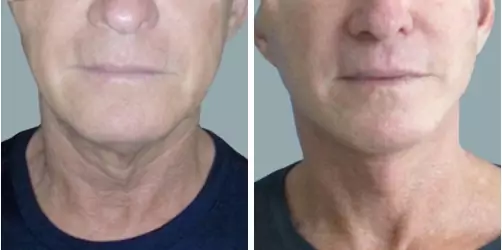
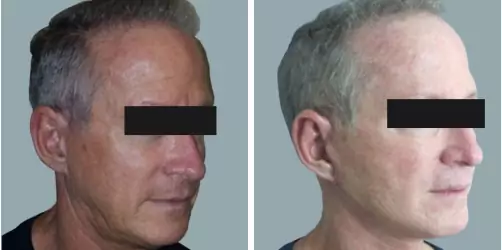
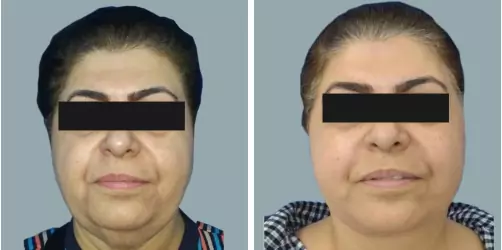
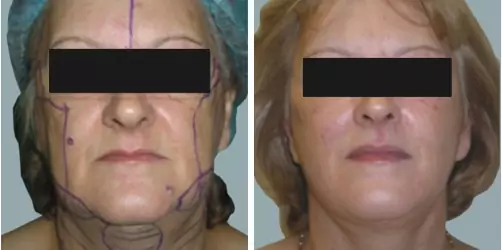
The results of the face lift are quite gratifying. You shall get smooth and taut skin on your face and neck which shall make you look younger and fresher than before.
The face lift is usually able to turn the clock back on your face by 8 to 15 years, depending on the procedure you require.
We at IndiCure completely understand your concerns and it is always our endeavor to provide the best outcome for every patient. Following is the list of questions you must ask before you embark on your journey for Facelift in India.
Prepare to answer questions about your:

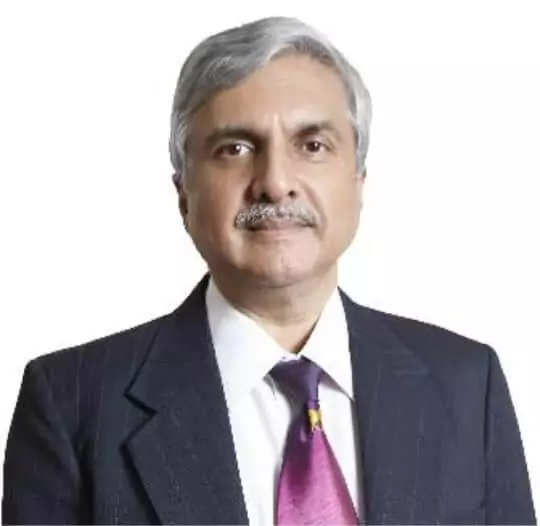
MBBS, MS, M.Ch, Member-ASPS
25+ Years of Experience
Dr. Mukund Jagannathan is a highly distinguished specialist in plastic and reconstructive surgery with over 25 years of clinical expertise. Holding MBBS, MS, and M.Ch degrees, he is a recognized member of the American Society of Plastic Surgeons (ASPS). Beyond his surgical practice, Dr. Jagannathan serves as the Head of the Department of Plastic Surgery at a premier medical university in India, where he leads academic advancement and surgical training in the field.
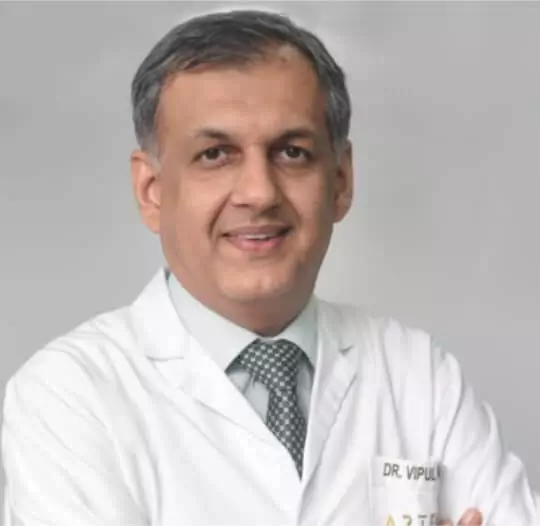
MBBS, MS, MRCS, M.Ch, ISASPS
22+ Years of Experience
Dr. Vipul Nanda is a premier specialist in plastic and reconstructive surgery, backed by an elite academic foundation. He completed his foundational medical training (MBBS) and postgraduate studies (MS) at the All-India Institute of Medical Sciences (AIIMS), followed by an M.Ch from PGI Chandigarh. His international credentials include an MRCS from the United Kingdom, reflecting a surgical practice that adheres to rigorous global standards.
MBBS; MS; DNB
15+ Years of Experience
Dr. Shraddha Deshpande is a highly qualified aesthetic and reconstructive surgeon with an extensive background in global surgical practices. Her expertise is supported by prestigious international fellowships in Spain, Sweden, and New Zealand, providing her with a diverse, multi-disciplinary approach to patient care. As a dedicated researcher, Dr. Deshpande is actively involved in the advancement of surgical techniques, with her work frequently published in leading medical journals.
Face lift gives your face and neck a more youthful appearance. Facelift typically resets the clock on your face to 10-15 years back. At the same time, it will not stop the aging process. You and your face will continue to age and skin may droop again. But a person with a facelift tends to look younger even after aging.
Face lifts work best when you are in your late 50s or 60s and the signs of aging show on your face- Deep lines, wrinkles, fine lines, and sagging skin which can be well corrected with a surgical facelift.
Generally speaking, the results of the face lift look good after a month of the surgery when the bruising, swelling have subsided and best after about 4-5 months of the surgery. A properly done facelift will give a very natural appearance and turn the clock back on your face by about 12-15 years.
Yes, if done by a qualified and a well experienced surgeon, face lifts give one of the most natural results of all the plastic surgery procedures. It gives you a rejuvenated and much youthful appearance.
The surgery is done under general anesthesia and you will have mild to moderate pain or discomfort when you wake up. Your surgeon will prescribe pain medications which will be effective in controlling the pain. Generally, face lift is not a very painful procedure and patients are surprised how little discomfort they usually feel after the surgery.
There are various techniques of doing a face lift and the best procedure for you will depend on various factors- your age, medical condition, sagging of the facial skin, your and surgeon's comfort among others. You should discuss various facelift options in detail with your plastic surgeon to determine the best face lift procedure for you.
Your medical information is handled confidentially and is used only for patient support and treatment coordination.
Beyond treatment coordination, IndiCure also helps international patients experience a more comfortable and meaningful healthcare journey in India.

We assist patients in accessing wellness retreats focused on relaxation, restorative care, and recovery support.
Know More >>
IndiCure helps patients access Ayurveda programs through selected wellness centers and experienced practitioners.
Know More >>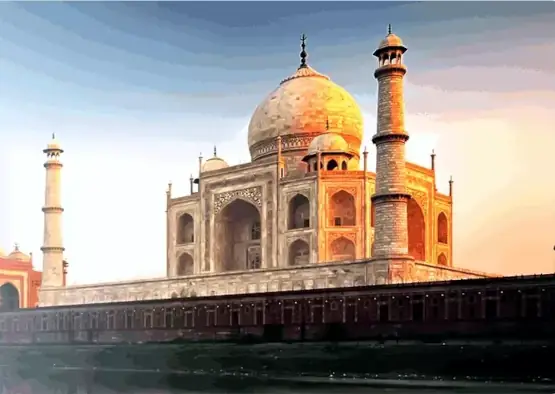
From cultural experiences and historical destinations to local guidance during recovery, IndiCure helps international visitors experience India in a comfortable and supportive environment.
Know More >>With over 15 years of experience, IndiCure supports international patients by coordinating both the clinical and travel aspects of treatment in India. We work with a network of board-certified surgeons and JCI- and NABH-accredited hospitals that follow established safety and clinical protocols.
Our team manages each stage of the journey, including medical evaluations, visa assistance, travel planning, and accommodation arrangements—providing a structured and transparent process from initial consultation through follow-up care.
The content provided on this website is intended for general educational purposes only and does not constitute professional medical advice, diagnosis, or treatment. While we maintain a comprehensive editorial policy to ensure the accuracy and reliability of our information, this content should not be utilized as a substitute for professional clinical care.
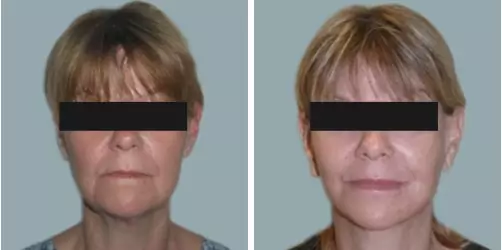
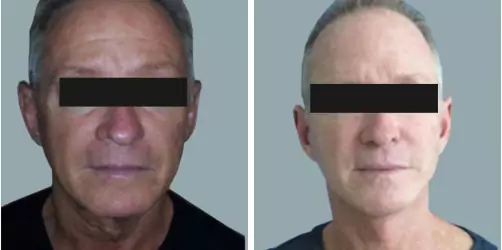
Individual Results: All "before and after" photographs are illustrative examples of potential outcomes; actual surgical results vary significantly by individual.
Mandatory Consultation: We strongly advise a personal, in-person evaluation with a board-certified surgeon to assess your specific medical needs and realistic procedural goals.
Surgical Risk: It is vital to maintain realistic expectations and fully understand potential complications before electing for surgery.