LASIK Eye Surgery Cost in India
Written By: Dr. Anjali
Medically Reviewed By: Dr. Ruchika
Last updated: March 26, 2026
Written By: Dr. Anjali
Medically Reviewed By: Dr. Ruchika
Last updated: March 26, 2026
LASIK Eye Surgery Cost in India starts from US $550 and varies depending on the type of lasik used, your medical condition and history-if any, surgeon, city and the facility where you choose to get the LASIK eye surgery done.
There are various types of lasik platforms which use different types of lasers to treat your eye. Custom / Wavefront LASIK, Contoura LASIK / Topography linked LASIK, Femto Bladeless LASIK, Advanced Surface Ablations Epi -LASIK, ReLEx SmILE, Topo link PRK, LASIK Xtra are a few names available. Lasik Eye surgery cost in India varies to a great extent with the type of technology chosen for your surgery.
An important expense when it comes to your LASIK surgery is going to be your ophthalmologist's fees. IndiCure recommends highly experienced, skilled, board-certified surgeons who are capable of delivering successful surgeries. Although the charges may vary depending on the experience of the surgeon, you can be assured that you are in safe and skilled hands when you choose eye treatment in India with IndiCure.
Having your LASIK surgery in an accredited surgical facility by skilled and qualified medical staff is a critical factor. Moreover, the geographical location of this facility in India also affects the quote. But, IndiCure provides you with a projected estimate that will be all inclusive and affordable.
The surgery-related expenses include the pre- and post-surgical expenses. The pre-surgical expenses are associated with the age and medical condition of the patient and thus the number and type of investigations required. Post-surgical expenses may include prescription medications and follow-up consultations.
We at IndiCure, understand that you travel with a budget in mind and do not like to be greeted by surprises after arrival in India. We thus club all these expenses and give you the package cost that is inclusive and affordable at the same time.
Your case manager shall give you an estimated cost of your surgery after discussing your medical reports with the surgeon. The final cost, however, shall be confirmed after your consultation with the surgeon.
| Surgery Time | 15-20 minutes |
|---|---|
| Anesthesia Type | Anesthetic Drops |
| Hospitalization | Outpatient procedure |
| Recovery Time | 5-6 days |
In fact, we have Special Negotiated Rates with the Hospitals and you can avail Discounted Rates when you choose to Travel with IndiCure.


We Help you Choose the Right Treatment, Surgeon & Hospital

We Arrange Video/Telephonic Consultation with the Surgeon

We Assist you with Visa & Accommodation

We Receive you at the Airport and Drop you at Hotel/Hospital

We Assist you the at Hospital & Provide Post Operative Support
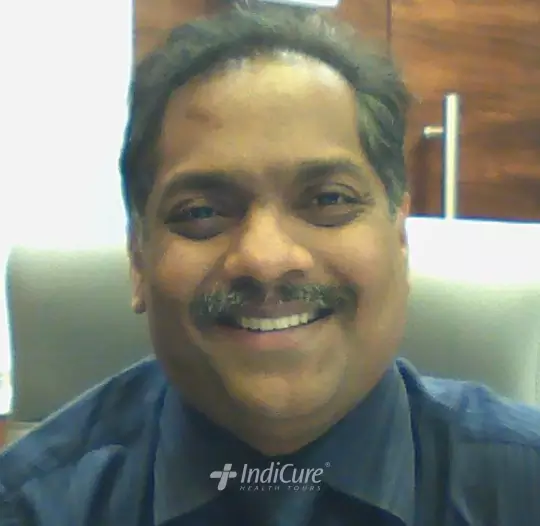
Dr. Nishikant Borse
MBBS, MD, Fellowship
22+ Years of Experience
Dr. Nishikant Borse is not just regarded as one of the best ophthalmologists in Mumbai, but also as one of India's best eye physicians. With over 17 years of experience dealing with difficult retina problems, he is one of India's leading retina surgeons.
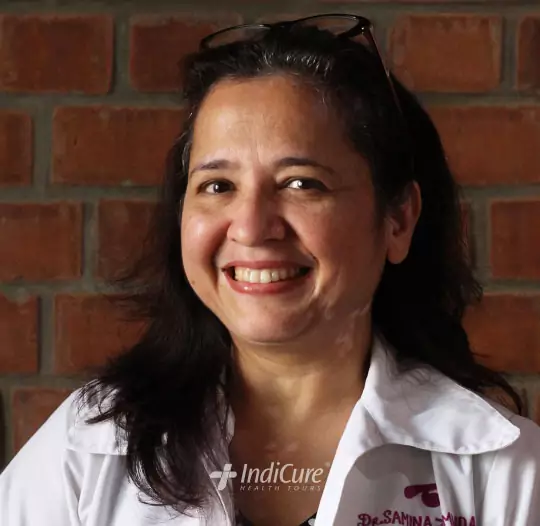
Dr. Samina Zamindar
MBBS, DO (Opth)
35+ Years of Experience
Dr. Zamindar is a skilled Phacoemulsification Cataract Surgeon and Bangalore's Best Eye Doctor. She has been one of Bangalore's early adopters of the groundbreaking Phacoemulsification cataract surgery treatment.
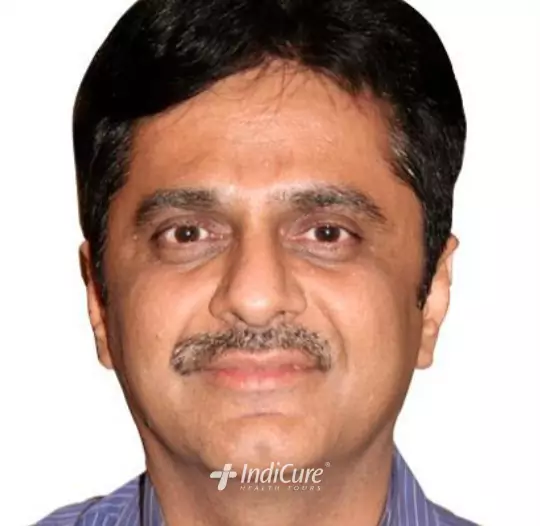
Dr. Lalit Verma
MBBS, MD, Fellowship
35+ Years of Experience
Dr. Lalit Verma is a senior and well-known ophthalmologist with more than 35 years of expertise. He is the Vice President of the All India Ophthalmological Society at the moment (AIOS).

Insight Eye Clinic
Mumbai
Insight Eye Clinic is a cutting-edge and one of Mumbai's leading eye care centres, delivering high-quality eye care. The facility is well equipped with eye care experts, specially trained staff, and the latest in eye care technology to ensure that the patients are treated with the utmost care and warmth.
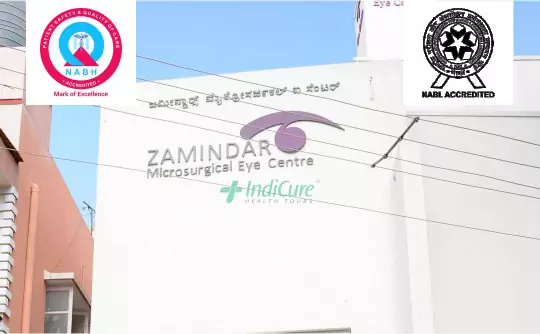
Zamindar Microsurgical Eye Centre
Bangalore
Zamindar's Microsurgical Eye Centre (ZMEC), which was founded in 1997, has been offering high-quality eye care to patients in and around Bangalore for the past 25 years. Their patients vouch for their services, and they are highly regarded for offering best-in-class eye treatment.
LASIK eye surgery can help people who are nearsighted, farsighted, or have astigmatism correct their vision.
It's one of several vision-correcting operations that include reshaping your cornea, the clear front area of your eye, so that light focuses on the retina in the back.
When light does not focus properly on your retina, your vision becomes hazy. Doctors term this condition as a refractive error. The basic types are as follows:
The following are some of the advantages of LASIK eye surgery:
Individual eye surgeons may specialize in specific types of laser eye surgery. There are usually minor distinctions between them, and none can clearly say which one is superior to the other. Depending on your circumstances and interests, you might want to look at the following options:
LASIK involves creating a partial-thickness corneal flap and using an excimer laser to ablate the corneal bed. It is now the most often performed laser eye surgery. The flap is then returned to its previous place. There is no discomfort during surgery, and eyesight recovery normally takes 1 to 2 days.
Instead of creating a flap, PRK scrapes away the top layer (epithelium). This corneal abrasion heals in three to four days and causes slight discomfort and blurred vision.
The potential benefit of PRK being safer for people who are more likely to be hit in the eye, such as those who participate in contact sports, law enforcement, or the military, was seen to outweigh the negatives. PRK, on the other hand, is unlikely to provide a significant advantage because the risk of eyeball rupture is low even with standard LASIK. LASIK is also a superior alternative than PRK for more severe nearsightedness (myopia).
Similar to LASIK surgery, the flap is created using a specific cutting device (microkeratome) and the cornea is exposed to ethanol. It is a wonderful alternative for patients with thin corneas because the approach allows the surgeon to remove less corneal tissue. For individuals who are at a higher risk of eye injury, LASEK provides no significant advantages over LASIK.
In an epi-LASIK procedure, your surgeon separates the epithelium from the centre region of the cornea (stroma) with a mechanical blunt blade device (epikeratome), then reshapes the cornea with a laser. LASEK is a surgery very similar to this one.
In this newer type of refractive surgery, the cornea is sculpted using a laser to generate a lens-shaped patch of tissue (lenticule) beneath the cornea surface. After the lenticule has been used to reshape the cornea, it is removed through a very small incision.
To improve vision, intraocular lenses (corrective lenses) can be surgically inserted in the eye. During cataract surgery, this is a common technique (in which the old, cloudy natural lens is removed). It could be a feasible alternative to LASIK for elderly people who may need cataract surgery in the future.
Younger people with high degrees of nearsightedness who cannot be treated efficiently with corrective lenses may be provided intraocular lenses. This is not, however, a frequent option for most people.
The ideal candidates for Lasik eye surgery are those with a moderate degree of refractive error and no severe vision problems.
Your eye surgeon will ask you a lot of questions about your eye health and examine your eyes to make sure you don't have any issues that could lead to complications or poor surgical results.
We at IndiCure completely understand your concerns and it is always our endeavor to provide the best outcome for every patient. Following is the list of questions you must ask before you embark on your journey for LASIK eye surgery in India.
Prepare to answer questions about your:
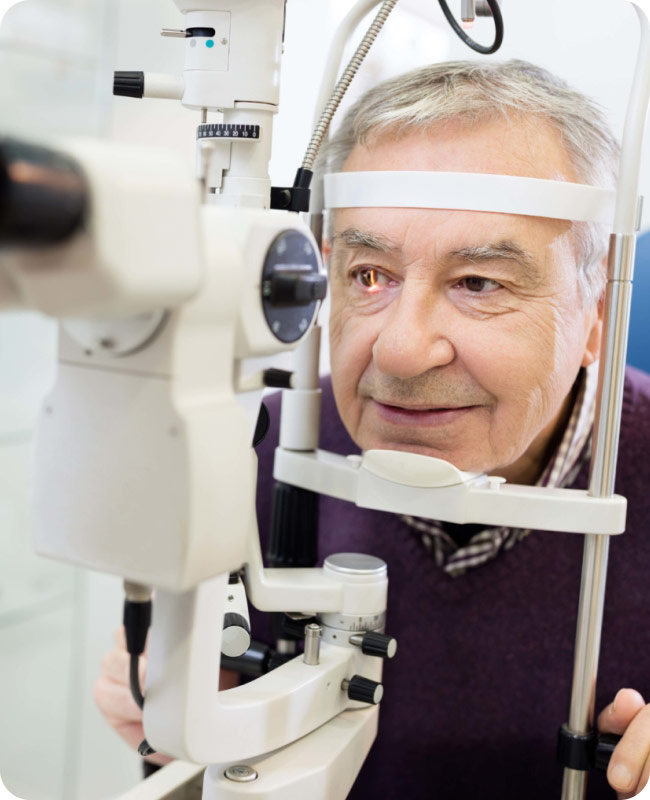
Before undergoing LASIK surgery, your eye surgeon will take detailed measurements and assess your eye's overall health.
Your doctor will put drops in your eyes to numb them. A moderate sedative can also be requested.
A microkeratome or a femtosecond laser will be used to form a tiny flap in your cornea.
They'll peel it back and use a laser to sculpt the tissue underneath.
After that, the flap will be replaced and the process will be finished.
LASIK has a high success rate, particularly in the treatment of nearsightedness (myopia). According to follow-up studies, 94 percent to 100 percent of nearsighted patients achieve vision of 20/40 or better. 3-10% of those who get LASIK require further surgery.
Your eyes will very certainly heal quickly. Most individuals see an improvement in their vision within a few days.
Your eyes will be dry, even if it doesn't feel like it. Your doctor will prescribe prescription eye drops to keep your eyes moist and avoid infection and irritation.
Do not swim or use a hot tub for at least two weeks after surgery. You might obtain a plastic shield to protect your eyes while you sleep for a few days.
LASIK surgery has a high success rate. Vision loss is infrequent as a result of complications, and the majority of people are satisfied with the results. Two of the most prevalent adverse effects include dry eyes and transient vision issues (such as glare). Symptoms, on the other hand, usually fade away after a few weeks or months, and just a few people believe they're a long-term problem.
These estimates are based on ideal conditions, and LASIK surgery is exceedingly safe and results in excellent vision in the vast majority of cases. You could require glasses if you're reading or doing other activities in low light.
India is one of the most favored destinations for medical tourists seeking quality eye treatment at affordable prices. The country has few of the best doctors trained at best medical schools in the west and. The cost of LASIK surgery is a fraction of what it costs to get the same surgery at the best medical centers in the world without any compromise on the quality.
LASIK surgery is permanent, with a few exceptions. Only in a few circumstances can the prescription and correction regress, resulting in your eyesight returning to its original state.
Most LASIK eye doctors believe that the age range of 25-40 is ideal for LASIK eye surgery candidacy for a variety of reasons. By the age of 25, prescriptions for eyeglasses and contact lenses have most likely stabilized. A stable prescription is one of the criteria of a suitable LASIK candidate.
The procedure for LASIK eye surgery is not painful. Before the surgery, your surgeon will place numbing eye drops in both of your eyes. While there may be some pressure during the procedure, there should be no pain.
LASIK (laser-assisted in situ keratomileusis) is a procedure that rebuilds the cornea and corrects myopia. The majority of people who have the operation have their myopia corrected. However, in a small number of people, the lens may change as they age.
There have been no reports of people becoming blind as a result of LASIK surgery. According to a recent study, the risk of getting blind from a contact lens infection is 34 times higher than the chance of becoming blind following LASIK.
LASIK is usually recognised as a safe surgery with a low complication rate, despite the fact that all operations have the potential for complications and side effects. LASIK is one of the safest elective surgical treatments available today, with a complication rate of less than 1%.
LASIK is a procedure that can be done once in a lifetime, once every 20 years, or once every ten years. The operation's long-term effects are decided by a variety of factors, including the patient's age at the time of the procedure and any medical concerns that may arise as one gets older and cause eyesight loss.
LASIK is now available to adults aged 18 and up, according to the FDA. Furthermore, for a variety of reasons, most doctors will not perform LASIK on anyone under the age of 18. To begin, eyesight changes continue well into adulthood. Most providers will not perform LASIK on anyone under the age of 18 since eyes continue to evolve throughout early adulthood.
Because your eyes are still recuperating, they will be most sensitive in the first 24 hours after the LASIK procedure. As a result, it's advised to avoid watching television for at least 24 hours.
To relieve any leftover discomfort, patients should continue to use the pharmaceutical eye drops as indicated, as well as lubricating eye drops and/or pain relievers. Applying a cool compress to your closed eyelids may also help.
The most common LASIK side effects are minor dry eye, burning, and itching, which affect 20 percent to 40% of those who get the operation. These symptoms normally peak three months following surgery and fade away within six to twelve months, but this is not always the case.
People with severe dry eyes or any other irregularity of the cornea, such as keratoconus are not good candidates for LASIK.
Your medical information is handled confidentially and is used only for patient support and treatment coordination.
With over 15 years of experience, IndiCure supports international patients by coordinating both the clinical and travel aspects of treatment in India. We work with a network of board-certified surgeons and JCI- and NABH-accredited hospitals that follow established safety and clinical protocols.
Our team manages each stage of the journey, including medical evaluations, visa assistance, travel planning, and accommodation arrangements—providing a structured and transparent process from initial consultation through follow-up care.
The content provided on this website is intended for general educational purposes only and does not constitute professional medical advice, diagnosis, or treatment. While we maintain a comprehensive editorial policy to ensure the accuracy and reliability of our information, this content should not be utilized as a substitute for professional clinical care.
Individual Results: All "before and after" photographs are illustrative examples of potential outcomes; actual surgical results vary significantly by individual.
Mandatory Consultation: We strongly advise a personal, in-person evaluation with a board-certified surgeon to assess your specific medical needs and realistic procedural goals.
Surgical Risk: It is vital to maintain realistic expectations and fully understand potential complications before electing for surgery.