Liver Transplant cost in India starts from US $30,000 and varies depending on the patient's medical history and condition, donor's medical history, surgeon, hospital and the city where you choose to get the surgery done.
An important expense when it comes to your Liver Transplant surgery is going to be your Surgeon's fees. IndiCure recommends experienced, skilled, board-certified surgeons who are capable of delivering successful surgeries. The charges may vary depending on the experience of the surgeon, popularity, and the approach to treatment.
With the hopes of improving patient care, new techniques and technologies are often introduced to the surgical process. Such innovative advancements in the surgical approach can increase costs.
Having your Liver Transplant in an accredited surgical facility by skilled and qualified medical staff is a critical factor. Moreover, the geographical location of this facility also affects the quote. But, IndiCure provides you with a projected estimate that will be affordable.
The surgery-related expenses include the pre- and post-surgical expenses. The pre-surgical expenses are associated with the age and medical condition of the patient and thus the number and type of investigations required. Post-surgical expenses may include prescription medications and follow-up consultations.
We at IndiCure, understand that you travel with a budget in mind and do not like to be greeted by surprises after arrival in India. We thus club all these expenses and give you the package cost that is inclusive and affordable at the same time.
Your case manager shall give you an estimated cost of your surgery after discussing your medical reports with the surgeon. The final cost, however, shall be confirmed after your consultation with the surgeon.

We Help you Choose the Right Treatment, Surgeon & Hospital

We Arrange Video/Telephonic Consultation with the Surgeon

We Assist you with Visa & Accommodation

We Receive you at the Airport and Drop you at Hotel/Hospital

We Assist you the at Hospital & Provide Post Operative Support
In fact, we have Special Negotiated Rates with the Hospitals and you can avail Discounted Rates when you choose to Travel with IndiCure.

Hepatobiliary and Liver Transplant Surgeon
MBBS, MS, FRCS, D.Sc
31+ Years
Dr. Prof. Mohamed Rela, is one of the most renowned and sought after names for Liver transplant in India. Dr. Rela has over 31 years of experience in liver transplantation, and is a pioneer in the field. He is recognized not only in India, but all across the world for his skills and expertise.He is a professor at King's College Hospital in London, where he teaches liver transplant surgery.
Prof. Mohamed Rela is regarded as one of the world's most accomplished surgeons. Over 400 scientific publications and papers on liver transplantation, difficult hepatobiliary pancreatic surgery, and other topics have been published by him. He has done over 4000 liver transplant procedures.
In December 1997, he led a team that successfully transplanted a five-day-old girl's liver, earning him a place in the Guinness Book of World Records in 2000. She is presently a law student in her early twenties.
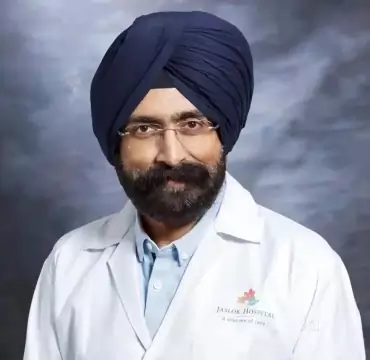
Hepatobiliary and Liver Transplant Surgeon
MBBS, MS, Primary FRCS,FRCS (Edin), FRCS (Glas), FRCS (Gen Surg)
30+ Years
A surgeon and pioneer in the field of liver transplantation, Dr. Arvinder Singh Soin is credited with pioneering the Liver Transplant Surgery in India. Dr. Arvinder Singh Soin currently holds the position of Chairman of the Liver Transplantation and Regenerative Medicine department at the renowned Medanta, The Medicity, Gurgaon. Dr. Soin is also the director of the Sir H. N. Reliance Foundation Hospital's Liver Transplant Institute in Mumbai.
Dr. Soin has conducted more than 3500 living donor liver transplants in India, as well as over 12000 more complicated liver, gallbladder, and bile duct surgeries, making him the country's and world's leading surgeon.
Dr Soin studied medicine and surgery in India and the United Kingdom. He earned his MBBS and MS degrees at the All India Institute of Medical Sciences in New Delhi, where he spent 11 years. Following that, he continued more education in order to get expert experience in Liver and Gastrointestinal Surgery, during which time he worked on his research thesis on Portal Hypertensive Gastropathy. He also earned FRCS (Fellowship of the Royal Colleges of Surgeons) degrees in Glasgow and Edinburgh, both in the United Kingdom.

Liver Transplant Surgeon
MBBS, MS, MRCS (Edn), DNB
18+ Years
Dr. Vivek Vij is a pioneering liver transplant surgeon who is credited with creating living donor surgery and standardizing safety standards to reach a donor safety profile of 100 percent since the time of its inception in the country.
He is the first surgeon from India to report a series of laparoscopic Donor Hepatectomy procedures in the journal 'Liver Transplantation.' He founded the Fortis group of hospitals' Liver Transplantation and Hepatobiliary Sciences division, launching a highly successful liver transplant programme first in Noida and then in Mohali.
Dr. Vij and his team have done over 2500 liver transplants, the majority of which were performed at Fortis Hospital in Noida, with a patient and donor success rate of 95 percent and 100 percent, respectively.
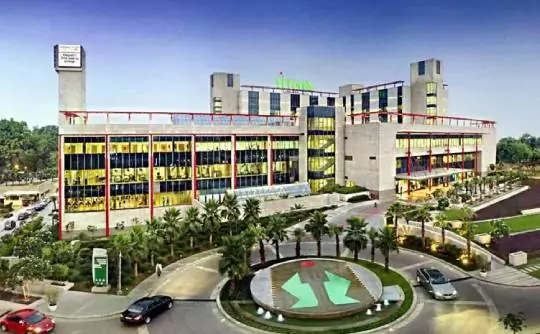
Gurgaon
Fortis Memorial Research Institute (FMRI), the flagship hospital of Fortis Healthcare, is a multi-specialty, quaternary care hospital and is counted among the best hospitals in India and the world. The hospital is considered as "Mecca of Healthcare" and a referral hospital, not only in the entire Asia Pacific but much beyond.
The hospital boasts of an enviable International faculty- the clinicians considered to be among the best doctors in the world and even specialty nurses offer nothing but the best in clinical care. The hospital has the most modern, state-of-the-art, cutting-edge technology in the hands of the most technically sound technicians, who offer clinical excellence beyond comparison.
Gurgaon
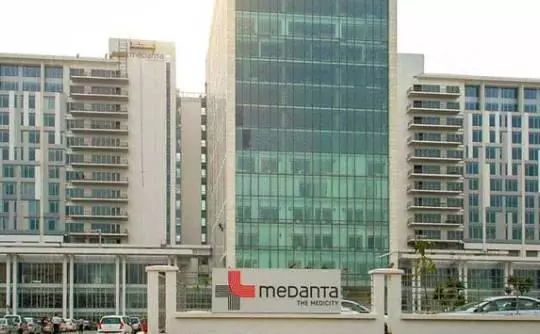
The Medicity is one of India's largest multi super-specialty institutes located in Gurgaon, National Capital Region (NCR-DELHI). Founded by one of the most renowned cardiac surgeons in India, Dr. Naresh Trehan, Medanta was established with the aim to provide the highest standards of medical care to patients backed by clinical research.
Spread across 43 acres, the institute includes a research center, medical and nursing school. It has 1250 beds and over 350 critical care beds with 37 operation theatres catering to over 20 specialties. Backed by the latest and most advanced technology, the institute is counted among the best medical institution in the world and attracts lots of patients from across the globe.
Learn more about our medical tourism in India services by viewing this video.
Organ transplant laws in India are very strict, prohibiting any commercial transaction for liver transplant. Organ transplant law in India allows only blood relatives to donate liver to the patient. A special permission from the Govt. of India is to be taken if an unrelated person wants to donate a part of his or her liver to the patient.
There should be absolutely no commercial transaction involved between the donor and the recipient for liver transplant in India. If the proposed donor or the recipient or both are foreigners and are seeking liver transplant operation in India, a senior Embassy official of the country of origin or the government of the country concerned (authenticated by the Embassy concerned in India) has to certify the relationship between the donor and the recipient.
There is a long waiting time for liver from dead or cadavers, so foreigners usually never get cadaveric donations if they wish to undergo cadaveric liver transplant in India.
Steps for Liver Transplant surgery in India
NOTE: IT IS IMPORTANT TO NOTE THAT INDICURE DOES NOT ARRANGE DONORS. THE DONOR FOR LIVER TRANSPLANT HAS TO BE A CLOSE RELATIVE OF THE PATIENT (SIBLING/ PARENTS/ CHILDREN/SPOUSE). IN CASE THE DONOR IS NOT A CLOSE RELATIVE, GOVERNMENT PERMISSION IS REQUIRED AND IS GIVEN ONLY IF IT IS ESTABLISHED THAT THERE IS NO COMMERCIAL TRANSACTION INVOLVED BETWEEN THE DONOR AND THE RECIPIENT.
As the latest techniques of liver transplant are advancing, many people from around the world come for Liver transplantation in India. Owing to the low cost of liver transplant in India, highly skilled & experienced surgeons and state of art hospital facilities, India has emerged as one of the most favorable destinations for organ transplants in the world.
Comparing the cost of liver transplant in India and western countries, one would find a huge cost difference. The cost of liver transplant in the US varies between $250,000 – $315,000 USD whereas the cost of Liver transplantation in India ranges between US $30, 000 – $50, 000 which is less than one fourth of the cost of the surgery in the US. The liver transplant cost in India in rupees is around Rs. 250,0000 – Rs. 350,0000.
Liver is one of the most vital and largest organs of the human body that serves as the powerhouse of energy as it produces:
Being the largest organ of the human body, it is ideal for storage of essential substances like vitamins and minerals. It metabolizes and detoxifies the substances ingested by the body. Moreover, it also acts as a filter that removes impurities from the blood.
Liver transplantation is a complex and major surgical procedure which is done to replace the damaged or diseased liver with the healthy and normally functioning liver taken from the donor. Liver transplant is the second most commonly performed transplantation in the world after kidney transplant. It is indicated when the liver fails to perform its normal functions due to severe damage to the liver leading to its failure.
Deceased liver donation: involves transplantation of liver that has been taken from the person who died recently.
Living donor liver transplant: a section of liver is removed from the living donor and transplanted to the patient. As the liver has a tendency to regenerate itself, both the transplanted and the remaining part of the donor's liver can regrow into the normal sized liver.
The liver transplant is the option left when all other lifestyle modifications and treatments have not prevented liver failure. Liver failure however, can happen slowly known as chronic liver failure or can happen suddenly called acute liver failure.
Regardless of the type, liver failure can occur due to multiple causes but the most common cause for liver transplant is the liver cirrhosis which is characterized by chronic scarring of the liver mostly due to hepatitis virus infection or chronic alcohol abuse.
Several other common conditions for liver transplant are :
If the patient is suffering from a liver failure but his heart, lungs, kidneys and immune system are strong enough to cope up with the surgery, if he is mentally and emotionally stable, if the patient has family and friends who can take care of the patient before and after the surgery and if a cadaveric or a living donor is available, the patient is considered good for the liver transplant.
Before the transplant surgery, both the patient and the donor are assessed and made to undergo a battery of tests to ensure that the donor is healthy enough to survive the surgery. The test includes blood testing and matching to check the compatibility. Various other tests and investigations include EKG, Echo, Chest X-ray, Abdominal CT scan, CT Cholangiogram, physical assessment by a physician, hepatologist and psychological tests.
Liver transplant surgery is a major surgical procedure done under general anesthesia and takes about 12 hours to complete.
The donor is operated first to remove either the left or right lobe of his liver. Once the donor liver is removed, the surgeon prepares for the transplant of the liver in the patient body.
The surgeon makes an incision on the upper right part of the abdomen in order to access the liver. The surgeon then cuts the essential blood vessels along with the bile ducts and removes the diseased liver.
The failed and diseased liver is then replaced by the healthy liver from the donor and the blood vessels and biliary ducts are connected to the transplanted liver lobe.
After complete transplant, the surgeon closes the incisions and the patient is shifted to ICU for recovery.
One needs to come to India about 2-3 weeks prior to the surgery for pre-operative assessment and paperwork formalities to be completed. A stay for around 6-8 weeks post discharge would be needed for you to recover enough before you can go back. So, a total of about 12-16 weeks are required for your liver transplant surgery in India.
One needs to stay in the ICU for a week after the surgery and another 3 weeks in the transplant care unit following which the patient is discharged from the hospital. However, the donor will stay at the hospital for about a week.
After the surgery, the patient is moved to intensive care unit (ICU) for 5-6 days, after which he is shifted to the transplant care unit/room where he would stay for another 3 weeks. It is normal to experience some pain and discomfort which shall be controlled with medications. The doctor will keep a check for any signs of bleeding, infections or liver rejection. The patient is prescribed medicines to suppress the immune system so that the body does not reject the new liver.
Recovery after liver transplant is a very slow and long process that aims at steadily building the patient's health and fitness. It may take 6 months to resume normal daily activities.
One can expect gratifying results after liver transplant surgery. Most of the patients resume their regular lifestyle after 6 months of successful liver transplant. If supplemented with a healthy diet, regular exercise and medication, one can lead a healthy and active life after liver transplant.
We at IndiCure completely understand your concerns and it is always our endeavor to provide the best outcome for every patient. Following is the list of questions you must ask before you embark on your journey for Liver Transplant in India.
Prepare to answer questions about your:

In advanced and well-equipped liver transplant hospitals in India, the in-hospital survival or success rate is more than 95 percent. This indicates that 95 patients out of 100 get a successful liver transplant and are discharged in good health.
Furthermore, the liver transplant has a very good long-term success rate, with a survival probability of 65 percent to 70 percent 15-20 years after the operation. Patients, including children and athletes, lead normal lives and are able to return to typical activities after 3-6 months of surgery.
Liver transplant, which is a very challenging treatment, carries a 3-5 percent risk of death. Infections and rejection after a liver transplant are the most serious risks.
Yes, if you have a live related donor, who is physically and mentally healthy, between 18-65 years of age, willing to donate part of the liver to you, you can surely undergo liver transplant in India.
The Human Organ Transplantation Act (HOTA) in India strictly prohibits sale of purchase of any organ in India. It is illegal and you cannot buy human liver in India.
You can donate part of your liver to your close relative who is in need of liver transplant, if you are above 18 and in good physical and mental health.
Every year, thousands of liver transplants are performed in India, with a relatively high success rate of over 95%. However, the majority of them are 'live' transplants, in which the liver is donated by a living donor. Because of a scarcity of donors, cadaveric liver donations are quite rare.
The United States performs the most number of Liver Transplants in the world. However, India is not far behind in terms of number and success rate of liver transplant. The big advantage India offers over all other countries is the cost of liver transplant in India, which is less than a fifth to undergo liver transplant in the United States.
Yes, a female can donate liver to a male. Overall, data from transplants conducted all over the world reveal that gender did not appear to be a factor.
With the advancement in techniques and technology, people as old as 80 and above are donating liver to needy patients. In the current organ shortage, the question is not whether or not older donors should be used, but rather how and to whom they should be used.
No, liver donation does not shorten your life. It is critical, however, for all patients who undergo a significant abdominal surgery to prevent weight gain, smoking, and excessive alcohol consumption. You should return to your regular activities and live a normal, healthy life.
Enhance your medical journey to India by availing these extra services.

If you're looking for a wellness retreat, there are numerous options available. India, in particular, is renowned for its wellness retreats, attracting spiritual seekers from around the world. Immerse yourself in the realm of Health and Wellness with our curated selection of wellness retreat options.
Know More >>
If you are seeking treatment for chronic diseases, you have several options. Authentic Ayurveda is renowned for its holistic approach to healing and offers a variety of remedies. Select from a range of Authentic Ayurveda alternatives to address chronic ailments or consider a blend of Ayurveda and Allopathy for a comprehensive approach.
Know More >>
We invite you to discover India - a mystical land that is a tapestry of diverse cultures and experiences. A rich cultural heritage, a variety of religions, languages, customs, vibrant traditions, and diverse landscapes offer a plethora of experiences for travelers. This makes India a fascinating destination for those seeking to explore different cultures.
Know More >>Traveling abroad for medical reasons may be challenging. With our experience of over a decade and working with the best surgeons and top hospitals in India, we help make your medical tour easier and safer for you. We will guide you at every step of the way and make end-to-end arrangements for your surgery, travel, and stay.

Rohini Chand
I Rohini from Australia absolutely recommend IndiCure. Very professional and very prompt with our questions in regards to Visas,surgeons, hospitals, finances...
Read More

Ramandeep Dhaliwal
I had great experience having rhinoplasty through Indicure. Dr. Ruchika from Indicure has helped me in finding best plastic surgeon, answering all my questions...
Read More

Evalte Nazario
On the 8th Nove 2021 I had a MICS Mitral Valve Replacement using replacement. Allhandullilah another battle had and I believe it has been successfully managed...
Read More

Joshua Archer
My name is Joshua Archer I'm from New Zealand, bay of plenty, kawerau I opted for the bypass surgery in January 2023 but planned it in advance for 28 September found IndiCure...
Read More

Priya Arora
IndiCure staff/team was very supportive all the way from airport pick-up to surgery and after surgery till day I had to fly back to Queensland. The surgeon was excellent...
Read More

Kera Ren
Absolutely loved my experience with IndiCure - from first inquiring to meeting the surgeon pre op to my follow up post op. The surgeon was extremely approachable...
Read More

Pauline Murti
Indicure have changed my life with top of the line, proffesional care and knowledge. I have had no complications. My type 2 diabetes have completely gone. I have no more protein...
Read More

Andreana Paul
Had a wonderful experience. Visited India for my plastic surgery. From sending mails, airport pickup, comfortable accommodation and, to smooth hospital appointment booking...
Read More

Audette Dillon
I recently traveled to Mumbai for a lower body lift and breast lift. As an American nurse living in Saudi Arabia I was apprehensive at first. I chose IndiCure because of Dr. Jagannathan...
Read More

Brandi Luce
I had the privilege of using Indicure's services for a cosmetic procedure that I had wanted for a long time but had always been apprehensive about. Ruchika helped me...
Read More

Hermenegildo Singano
I went to India for a heart treatment at the fortis hospital, they do an excellent job all the medical staff are very professional, I recommend people suffering from this...
Read More

Jade M
Indicure Health Tours went above and beyond my expectations. They helped me with every aspect of my journey and were professional, kind and caring. I was...
Read More
The content on the website (www.indicure.com) is intended to be general information and is provided only as a service. It is not medical advice and should not be taken as medical advice. It should not be used to diagnose or treat a health condition and is in no way meant to be a substitute for professional medical care.
All photographs on our website of before and after results are examples only, and do not constitute an implied or any other kind of certainty for the result of surgery. You are advised to see a surgeon in person to assess what surgery may or may not accomplish for you.
It is also important to keep your expectations realistic and to understand that all surgical procedures carry risks and should never be taken lightly.