Spine Surgery Cost in India
Written By: Dr. Prerana
Medically Reviewed By: Dr. Ruchika
Last updated: March 26, 2026
Written By: Dr. Prerana
Medically Reviewed By: Dr. Ruchika
Last updated: March 26, 2026
Spine surgery is one of the most complex and complicated medical procedures performed to manage the wide spectrum of spinal diseases and abnormalities of the spine and spinal cord. Spinal surgery is usually performed for following three purposes:
The cost of spine surgery is an extremely important factor that you need to consider while deciding for your surgery. If you are not insured or even partially insured for your spinal procedure & need to shell out the money from your pocket, it is next to impossible for a common man to get the procedure in a developed country like the US or UK.
Spine surgery treatment in India is almost a sixth of the cost of spine surgery in the USA, UK or Europe even with finest quality implants, prosthesis and consumables.
Here's the list of few most commonly performed spinal surgery procedures in India and their cost:
| Procedure | Approx Cost ($) |
|---|---|
| Cervical Spine | |
| Laminectomy | 5000-5500 |
| Laminoforaminotomy | 6000-7000 |
| Posterior Fusion | 5000-6000 |
| Anterior Fusion | 5000-6000 |
| Disc Replacement | 9500 (With FDA approved implant) |
| Lumbar Spine | |
| Microdiscectomy | 4400-5000 |
| Laminectomy | 4500-5200 |
| Posterolateral Fusion | 6000-7000 |
| Disc Replacement | 9500 (With FDA approved implant) |
| TLIF (Transforaminal Lumbar Interbody Fusion) | 5000-6500 |
| PLIF (Posterior Lumbar Interbody Fusion) | 5000-6500 |
| Scoliosis Surgery | 9500-11000 |
| Spinal Tumor Removal | 5000-6000 |
An important expense when it comes to your spinal surgery is going to be your spine surgeon's fees. IndiCure recommends only experienced, skilled, board-certified surgeons who are capable of delivering successful surgeries. Although the charges may vary depending on the experience of the surgeon, you can be assured that you will be in safe hands when you choose IndiCure.
Depending on one's medical condition and requirements, men and women of all ages can benefit from different types of spinal surgery procedures. For example, one can opt for minimally invasive spine surgery or robotic spinal surgery to experience minimal muscle damage and less recovery time, which is more expensive than open surgery.
Many times you would need an implant or instrumentation that adds to the cost of the surgery. IndiCure recommends you to explore the surgical options by consulting our expert spine surgeons.
Having your spine surgery in an accredited surgical facility by skilled and qualified medical staff is a critical factor. Moreover, the geographical location of this facility also affects the quote. But, IndiCure provides you with a projected estimate that will be affordable.
The surgery-related expenses include the pre- and post-surgical expenses. The pre-surgical expenses are associated with the age and medical condition of the patient and thus the number and type of investigations required. Post-surgical expenses may include prescription medications and follow-up consultations.
We at IndiCure, understand that you travel with a budget in mind and do not like to be greeted by surprises after arrival in India. We thus club all these expenses and give you the package cost that is inclusive and affordable at the same time.
Your case manager shall give you an estimated cost of your surgery after discussing your medical reports with the surgeon. The final cost, however, shall be confirmed after your consultation with the surgeon.

We Help you Choose the Right Treatment, Surgeon & Hospital

We Arrange Video/Telephonic Consultation with the Surgeon

We Assist you with Visa & Accommodation

We Receive you at the Airport and Drop you at Hotel/Hospital

We Assist you the at Hospital & Provide Post Operative Support
Years of Experience

Patients Assisted Worldwide
Countries Served

Most Preferred Medical Tourism Brand

Google Rating from Global Patients

Dr. Mazda K. Turel
MBBS, MCh Neurosurgery
15+ Years of Experience
Dr. Mazda Turel is a highly skilled Neurosurgeon and Spine Surgeon in India. He has a fellowship in Skull base and Neuro-oncology in Canada; a Fellowship in Complex and minimally invasive spine surgery in the USA; Fellowship in cerebrovascular in China.
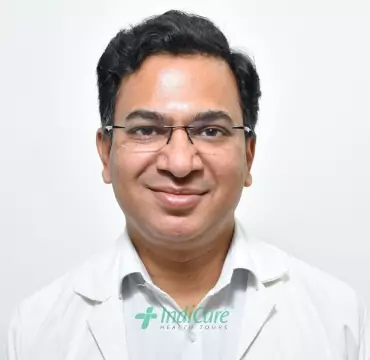
Dr. Hitesh Garg
MBBS, MS, Fellowship
14+ Years of Experience
More than 4000 spine surgeries, including 1500 spinal fusions, 250 deformity correction treatments (Scoliosis and Kyphosis), and 150 lumbar and cervical artificial disc replacements have been performed by Dr Hitesh Garg in his 14 years of career.
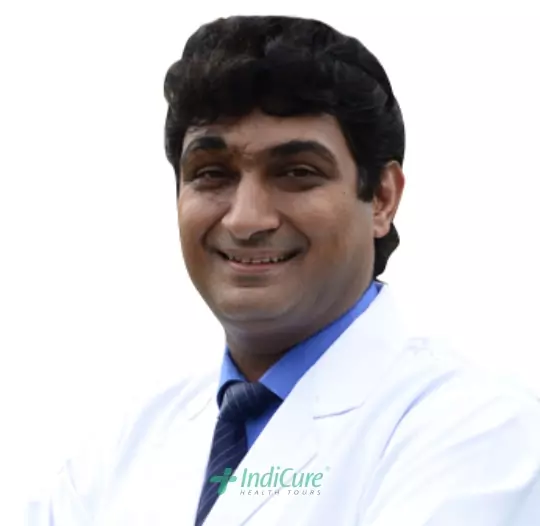
Dr. Puneet Girdhar
MBBS, MS
13+ Years of Experience
Using turn-of-the-century minimally invasive procedures, specializes in the surgical and non-surgical management of spinal problems affecting the neck and back, Dr. Puneet Girdhar is one of the most renowned spine surgeons in India.
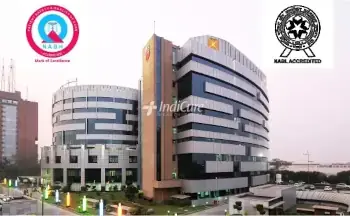
BLK Max Super Speciality Hospital
New Delhi
BL Kapur Memorial Hospital is one of the biggest standalone private hospitals in Delhi, NCR. Established by late Dr. B L Kapur, an eminent Obstetrician, and Gynecologist on invitation by then Prime Minister of India, Mr. Jawahar Lal Nehru. The institute went on to become one of Delhi's premier multi-specialty hospitals.
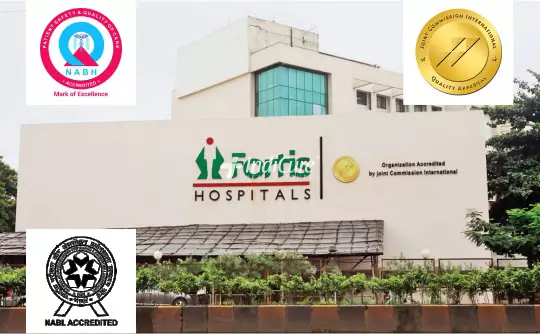
Fortis Hospital
Mumbai
Fortis Hospital, Mulund is a 300 bedded multispeciality tertiary care facility situated in the centre of the city, offering a range of clinical, diagnostic, and surgical services. The hospital began operations in 2002 and since then has achieved various milestones. The hospital is a JCI and NABH accredited facility and among very few hospitals to have NABH accreditation for Blood bank and NABL for Pathology Laboratory.
Watch this short video to understand how IndiCure supports international patients throughout their medical journey in India — from treatment planning and hospital coordination to recovery and travel support.

Welcome to India, the land of best hospitals for spine surgery treatment! Having made a significant mark in treating even the most complex spinal disorders, India now boasts of offering spinal surgery treatment at some of its best spine surgery centers. The best hospitals in India, offering treatment for various spinal conditions are not only internationally accredited, but are equipped with latest technology, sophisticated instruments and have world class amenities which are at par with the hospitals in any other developed nation. Owing to the low cost of spinal treatment available at these state of the art hospitals, getting treatment in India for spinal disorders comes as a complete treatment package.
There can be several reasons for one to seek spine surgery when other interventions like medications and exercises have not been successful.
Normal Function Prevented
Advancing age decreases the proper functioning and mobility of the spine that hinders the body's normal functioning. This can be improved with spinal surgery.
Failure of Other Treatments
Non-surgical interventions such as physiotherapy, medication and exercises are not always successful in alleviating painful symptoms. Spine surgery can be the solution to such patients.
Quality of Life
The symptoms of spine problems like mobility limitations and pain can be a great disadvantage to the patients and prevent them from living a normal and happy life. Spinal surgery can relieve these symptoms forever in most cases and give a good quality of life.
Injury
In cases of severe injury there is least chance of successful treatment with other methods other than spinal surgery.
Deformity
Spinal deformities like scoliosis and other such deformities unless treated very early with physiotherapy and braces cannot be corrected without spinal surgery at later stages.
Nerve Damage
Spinal problems can lead to nerve damage and permanent disability unless the nerve is decompressed and corrected through surgery to relieve the symptoms.
Progression of Spinal Problems
Spinal conditions such as osteoporosis and nerve symptoms worsen with time unless treated properly. Progression can lead to disability, increased symptoms and complete shut-down of organ systems.
The cost of spine surgery in India depends upon the type of surgery to be performed, implant being used, surgeon, facility and the city where you choose to get the surgery done. To give you an idea, the cost of spinal decompression and fusion surgery starts from around USD 5000.
There is absolutely no compromise on the quality. Spine surgery cost in India is much less because of the following reasons:
Low cost of endowment in India - Qualified doctors, surgeons, nursing staff, lower investments costs, subsidies by government to private healthcare sector are more as compared to other countries.
An exchange rate regime, which is favorable to India (indicative rates only, may not be currently applicable)
1 USD= 75 Indian rupees
1 GBP= 100 Indian rupees
1 Euro= 85 Indian rupees
The first step is to send us your medical history, X-ray and other medical reports for the surgeon's evaluation. You can send these details to info@indicure.com . You would be assigned a case manager who shall get back to you with the surgeon's opinion, cost and other necessary details. For more information, please visit Step-by-step guide.
Your case manager would share the surgeon's opinion as is, his or her detailed profile, details about the hospital where your surgery shall be done, type of implant and other necessary details. You can also choose to speak with the surgeon over phone or have a video consultation with the surgeon. We make sure you get the best quality treatment and best possible results for your surgery in India. To answer more on Medical Tourism related questions read our FAQs sections.
Yes, almost all spine surgery patients undergo MRI and other advanced investigations before any spinal surgery. Other tests are also performed before any anesthesia is given. This includes:
You will experience pain and discomfort after the operation which shall be controlled with medications. You shall be at the hospital for 3-7 days, depending on the type and technique of the surgery, so that the acute recovery phase is over and you are comfortable and can be on your own at the time of discharge from the hospital.
There are other non surgical treatment options which include Lumbar and Cervical Facet Injections, Radiofrequency Ablation, Epidural Injections, Sympathetic Blocks and Spinal Cord Stimulators.
Surgery is often considered as the last resort when other options have failed to work or do not provide the kind of relief a patient is looking for.
Besides, there are Ayurveda treatment options which have worked wonderfully well with few. You can discuss the option with your case manager and we shall advise you of the options accordingly.
Whether or not you want to undergo the surgery depends on your goals and priorities. Some people find it very hassling to visit a practitioner for injections every now and then and want pain relief once and for all. Surgery is the best choice for them. While some others feel very intrigued with the idea of undergoing a knife and feel at ease with pain management only.
You can explore different options by consulting our expert surgeons and doctors.
The surgeon would suggest you the most suitable option depending on your age, pain, medical history and the medical condition.
You will not need nursing care after you are discharged from the hospital. A stay of 5-6 days at the hospital would be enough for you to recover and stay at the hotel without the nursing care. However, if your treating doctor feels that you still need medical supervision, he would advise you to extend the stay at the hospital at some extra cost.
Returning to work is an individualistic thing and depends on your profession. Desk or sitting activities can be resumed after about 3-4 weeks of surgery, while physically active jobs should wait for 8-10 weeks.
You need to be very careful in using your body to allow for your spine to heal well. You should not push, pull or lift anything heavy for at least two months after the surgery. Your surgeon and the medical staff shall give you specific instructions about do's and don'ts after the surgery. The physical therapist will tell you how to strengthen the muscles.
Yes, you can climb stairs but that would be tiring for you. You should avoid climbing the stairs for 6-8 weeks till you have fully recovered.
You should wait for at least 8-10 weeks after the surgery before you start driving again.
The rehabilitation will begin the next day after the surgery at the hospital itself. Your physical therapist will do a number of exercises to regain your strength and range of motion. You should continue to exercise until your muscles are pain-free. It is a good idea to continue your exercises as a lifetime commitment to keep your muscles strong.
Your medical information is handled confidentially and is used only for patient support and treatment coordination.
Beyond treatment coordination, IndiCure also helps international patients experience a more comfortable and meaningful healthcare journey in India.

We assist patients in accessing wellness retreats focused on relaxation, restorative care, and recovery support.
Know More >>
IndiCure helps patients access Ayurveda programs through selected wellness centers and experienced practitioners.
Know More >>
From cultural experiences and historical destinations to local guidance during recovery, IndiCure helps international visitors experience India in a comfortable and supportive environment.
Know More >>With over 15 years of experience, IndiCure supports international patients by coordinating both the clinical and travel aspects of treatment in India. We work with a network of board-certified surgeons and JCI- and NABH-accredited hospitals that follow established safety and clinical protocols.
Our team manages each stage of the journey, including medical evaluations, visa assistance, travel planning, and accommodation arrangements—providing a structured and transparent process from initial consultation through follow-up care.
The content provided on this website is intended for general educational purposes only and does not constitute professional medical advice, diagnosis, or treatment. While we maintain a comprehensive editorial policy to ensure the accuracy and reliability of our information, this content should not be utilized as a substitute for professional clinical care.
Individual Results: All "before and after" photographs are illustrative examples of potential outcomes; actual surgical results vary significantly by individual.
Mandatory Consultation: We strongly advise a personal, in-person evaluation with a board-certified surgeon to assess your specific medical needs and realistic procedural goals.
Surgical Risk: It is vital to maintain realistic expectations and fully understand potential complications before electing for surgery.