Tummy Tuck Cost in India - Abdominoplasty Pricing Guide
Written By: Dr. Shivya
Medically Reviewed By: Dr. Ruchika
Last updated: March 25, 2026
Written By: Dr. Shivya
Medically Reviewed By: Dr. Ruchika
Last updated: March 25, 2026
An important expense when it comes to your tummy tuck cost in India is your plastic surgeon's fees. IndiCure recommends highly experienced, skilled, board-certified surgeons who are capable of delivering natural-looking results. Although the charges may vary depending on the experience of the surgeon, you can be assured that you are in safe and skilled hands when you choose plastic surgery in India with IndiCure.
Depending on one's needs, men and women of all ages can benefit from multiple types of tummy tuck procedures. For example, mini tummy tuck could be a cost-effective option for someone who wants to get rid of minimal skin excess on the lower abdomen and small amount of stubborn belly flab, while others with large amounts of skin excess may require a full tummy tuck. IndiCure recommends you to explore the surgical options by consulting our expert plastic surgeons.
Having your Mommy makeover surgery in an accredited surgical facility by skilled and qualified medical staff is a critical factor. Bigger cities in India generally boast of having better medical facilities, and more experienced surgeons, and hence the costs are generally higher in bigger cities. IndiCure Health Tours only recommends surgical facilities that are in the bigger cities for the sake of quality of care and safety of the patient.
The surgery-related expenses include the pre- and post-surgical expenses. The pre-surgical expenses are associated with the age and medical condition of the patient and thus the number and type of investigations required. Post-surgical expenses may include prescription medications, post-surgery compression garments, and follow-up consultations.
At IndiCure, we consolidate most of the expenses for Tummy tuck surgery in India to provide you with an inclusive and cost-effective package tailored to your budget and individual requirements.
After receiving your pictures and medical reports, your case manager will provide an estimated surgery cost based on a discussion with the plastic surgeon.
The final cost of Tummy Tuck surgery can however be confirmed after your face-to-face consultation with the Plastic Surgeon.

We Help you Choose the Right Treatment, Surgeon & Hospital

We Arrange Video/Telephonic Consultation with the Surgeon

We Assist you with Visa & Accommodation

We Receive you at the Airport and Drop you at Hotel/Hospital

We Assist you the at Hospital & Provide Post Operative Support
Here is a set of questions you should consider asking before commencing your journey for Tummy tuck surgery in India.
Prepare to answer questions about your:
Your medical information is handled confidentially and is used only for patient support and treatment coordination.
Tummy tuck, also known as abdominoplasty is one of the most popular plastic surgery procedures which results in a smooth, taut abdomen by removing excess skin and fat from the abdominal area. It also tightens the loose abdominal muscles and removes hanging skin and stretch marks owing to weight loss or pregnancy. Previously popular only with women, tummy tuck or abdominoplasty has become a very popular plastic surgery option for urban men.
There can be various reasons for a man or woman to undergo a tummy tuck procedure. Some of them are:
Tummy tuck in India has gained immense popularity among medical tourists, thanks to affordable tummy tuck cost in India.
Here's a quick look at the cost comparison of tummy tuck across various countries:
USA- varies from $9,000 to $15,000
UK- varies from £ 6,000 to £ 12,000
Australia- varies from $12,000 to $17,000
India- varies from US $2,900 to $4,000
Besides cost, there are various factors that lure medical tourists to choose their plastic surgery in India. The formidable reputation of Indian surgeons across the globe, no waiting time, no language barrier, world-class facilities and India's popularity as an incredible tourist destination has made it one of the most preferred destinations for plastic surgery. Plastic surgery in India is not only affordable but allows you to recuperate in privacy and allows you to visit the most Incredible country on earth.
Choosing IndiCure will not only assure you availability and affordability of the treatment, but will also facilitate the most appropriate type of tummy tuck procedure under the guidance of expert specialists.
The icing on the cake is that the best plastic surgeons in India perform a Lipo-abdominoplasty, which means besides removal of the extra skin on your tummy and tightening of your abdominal muscles, the surgeon would also perform a thorough liposuction of your tummy and love handle areas to best contour your entire abdominal area.
If you have a flabby, overhanging tummy, excess or loose sagging abdominal skin, weakened abdominal muscles from pregnancy or aging, stretch marks after pregnancy, or old surgical scars, are above 18 years old, physically healthy, mentally, and emotionally stable, and have realistic expectations, you are a good candidate for a Tummy tuck.
If you are in good health and have near normal weight, but are concerned about loose abdominal muscles excess skin, or large fat deposits not responding to diet or exercises, you are the best candidate for a Tummy tuck. It is especially helpful for women who have stretched abdominal muscles and skin to a point where they cannot become normal without surgery.
A full tummy tuck requires a horizontally oriented incision in the area between the pubic hairline and the belly button. The shape and length of the incision will be determined by the amount of excess skin. Once the abdominal skin is lifted, the underlying weakened abdominal muscles are repaired.
A second incision around the navel may be necessary to remove excess skin in the upper abdomen. The upper abdominal skin is pulled down and the excess skin is trimmed and the remaining skin is sutured together. Sutures, skin adhesives, tapes, or clips close the skin incisions.
Tummy tuck cost in India is notably lower than the Western countries, it can be attributed to factors such as the generally lower cost of living in India and a favorable exchange rate regime for international patients. Though Tummy tuck cost in India is significantly lower when compared to Western countries, high-quality medical care enables patients to achieve substantial savings without compromising the desired surgical outcome.
You may experience numbness and excessive bruising and swelling of the area for the next few days. The drainage tubes are removed within 48-72 hours. The support garment should be worn for at least 6-8 weeks after the surgery. You should be able to return to work or school within two weeks. Exercises that work the abdominal muscles should be avoided for at least three months. High impact exercises may be resumed within 8-12 weeks.
You can expect great results from tummy tuck, especially if you have loose and overhang following pregnancy and childbirth. You shall get a smooth, taut abdomen with no excess fat or loose hanging skin almost free of stretch marks.
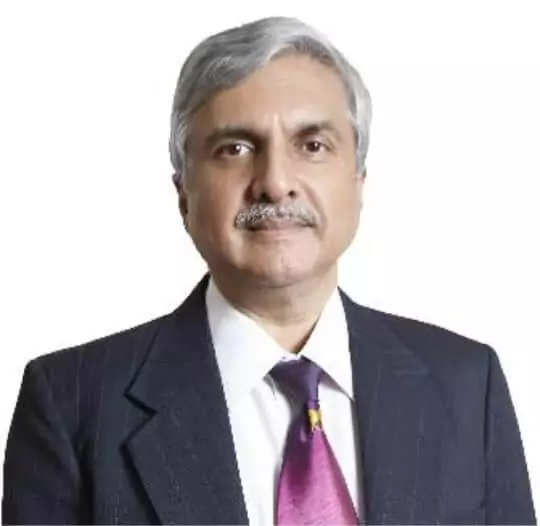
MBBS, MS, M.Ch, Member-ASPS
25+ Years of Experience
Dr. Mukund Jagannathan is a highly distinguished specialist in plastic and reconstructive surgery with over 25 years of clinical expertise. Holding MBBS, MS, and M.Ch degrees, he is a recognized member of the American Society of Plastic Surgeons (ASPS). Beyond his surgical practice, Dr. Jagannathan serves as the Head of the Department of Plastic Surgery at a premier medical university in India, where he leads academic advancement and surgical training in the field.

MBBS, MS, MRCS, M.Ch, ISASPS
22+ Years of Experience
Dr. Vipul Nanda is a premier specialist in plastic and reconstructive surgery, backed by an elite academic foundation. He completed his foundational medical training (MBBS) and postgraduate studies (MS) at the All-India Institute of Medical Sciences (AIIMS), followed by an M.Ch from PGI Chandigarh. His international credentials include an MRCS from the United Kingdom, reflecting a surgical practice that adheres to rigorous global standards.

MBBS; MS; DNB
15+ Years of Experience
Dr. Shraddha Deshpande is a highly qualified aesthetic and reconstructive surgeon with an extensive background in global surgical practices. Her expertise is supported by prestigious international fellowships in Spain, Sweden, and New Zealand, providing her with a diverse, multi-disciplinary approach to patient care. As a dedicated researcher, Dr. Deshpande is actively involved in the advancement of surgical techniques, with her work frequently published in leading medical journals.

Tummy Tuck is quite a popular procedure among people in Mexico, Central and South America. Calf implant surgery is commonly performed in both men and women. Unfortunately, many orthopedic surgeons and family physicians who see patients with a deformed or hypoplastic leg are not aware that augmentation can be performed.
You will have some pain and bruising which will last for a few days after the procedure. Keep your legs elevated which will help reduce the swelling. You will feel heaviness in your legs for the first few days and walking will be a little difficult, which will improve during the second week and thereafter. You will be able to return to normal activities in about 2 weeks, while exercising and rigorous work will have to wait for at least 6-8 weeks.
The need for drains after a tummy tuck depends on the surgical technique and the extent of the procedure. A full tummy tuck may involve drains to remove excess fluid, typically removed after a few days. In contrast, a mini tummy tuck is less likely to require drains due to its less invasive nature. Discuss any concerns with your surgeon before the procedure and follow their instructions for postoperative care and follow-up appointments.
Certainly, you can resume running and partake in other exercises and workouts approximately 8-10 weeks following the procedure, or as per your surgeon's guidance.
For a trip to India for a Tummy tuck surgery, apart from the cost of the surgery procedure, additional expenses related to meals, transportation, and accommodation during the recovery period also need to be considered.
Beyond treatment coordination, IndiCure also helps international patients experience a more comfortable and meaningful healthcare journey in India.

We assist patients in accessing wellness retreats focused on relaxation, restorative care, and recovery support.
Know More >>
IndiCure helps patients access Ayurveda programs through selected wellness centers and experienced practitioners.
Know More >>
From cultural experiences and historical destinations to local guidance during recovery, IndiCure helps international visitors experience India in a comfortable and supportive environment.
Know More >>With over 15 years of experience, IndiCure supports international patients by coordinating both the clinical and travel aspects of treatment in India. We work with a network of board-certified surgeons and JCI- and NABH-accredited hospitals that follow established safety and clinical protocols.
Our team manages each stage of the journey, including medical evaluations, visa assistance, travel planning, and accommodation arrangements—providing a structured and transparent process from initial consultation through follow-up care.
The content provided on this website is intended for general educational purposes only and does not constitute professional medical advice, diagnosis, or treatment. While we maintain a comprehensive editorial policy to ensure the accuracy and reliability of our information, this content should not be utilized as a substitute for professional clinical care.
Individual Results: All "before and after" photographs are illustrative examples of potential outcomes; actual surgical results vary significantly by individual.
Mandatory Consultation: We strongly advise a personal, in-person evaluation with a board-certified surgeon to assess your specific medical needs and realistic procedural goals.
Surgical Risk: It is vital to maintain realistic expectations and fully understand potential complications before electing for surgery.