Curated By:
Dr. Anjali Mishra, BDS
Medically Reviewed By:
Dr. Harish Pamnani, MBBS, DCH
Last updated: Nov 14, 2026
Looking for the best eye doctors in India for cataract, LASIK, ICL, retina or corneal transplant surgery? This page lists sixteen experienced ophthalmologists in Mumbai, Navi Mumbai, New Delhi, Gurugram and Faridabad, with verified qualifications and hospital affiliations.
From routine cataract surgery to complex corneal transplants, a surgeon’s technique and experience shape your results. Our panel includes ophthalmologists trained at institutions such as Moorfields Eye Hospital, London, AIIMS, New Delhi, and the L.V. Prasad Eye Institute, Hyderabad, who practise at established eye centres across Mumbai and Delhi NCR.
Each surgeon was assessed against our 15-Point Surgeon Selection Criteria, and links to official profiles are provided so you can verify their credentials. We don't charge patients for recommendations, and no doctor or hospital is featured in exchange for a financial arrangement.
The specialists below are listed in no particular order. This list is not a ranking.
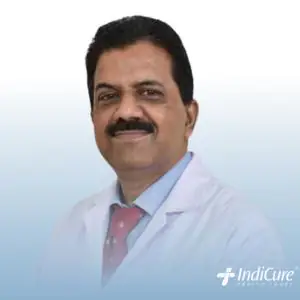
Mumbai
Experience: 30+ years
Hospital: Fortis Hospital, Mulund
Speciality: Cataract, Corneal Transplant & Refractive Surgery
Qualification: MBBS, MS (Ophthalmology); FRCS
Fellowships: Cornea and External Eye Disease, Moorfields Eye Hospital, London; Paediatric Ophthalmology, Hospital for Sick Children (SickKids), Toronto
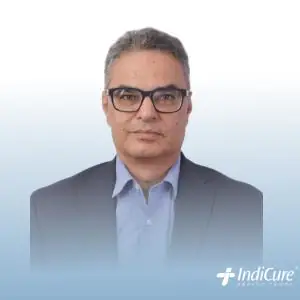
Mumbai
Experience: 25+ years
Hospital: Gleneagles Hospital, Parel
Speciality: Cataract & Refractive Surgery (Phacoemulsification), LASIK, Glaucoma
Qualification: MBBS, MS (Ophthalmology)
Fellowships: Fellowship, L.V. Prasad Eye Institute, Hyderabad; clinical training at Moorfields Eye Hospital, London, and the Royal Free Hospital, UK

New Delhi
Experience: 20+ years
Hospital: The Sight Avenue
Speciality: LASIK, Corneal Surgery, Cataract & ICL Surgery
Qualification: MBBS, MS (Ophthalmology)

Navi Mumbai
Experience: 20+ years
Hospital: Advanced Eye Hospital and Institute (AEHI), a unit of Dr. Agarwal's Eye Hospital
Speciality: Cornea, Cataract & Refractive Surgery (LASIK/SMILE)
Qualification: MBBS, MS (Ophthalmology), DNB (Ophthalmology), MBA- Stanford Graduate School of Business, USA, International Council of Ophthalmology (FICO)
Fellowships: Cornea & External Diseases, L.V. Prasad Eye Institute, Hyderabad, Massachusetts Eye & Ear Infirmary, Harvard Medical School, USA
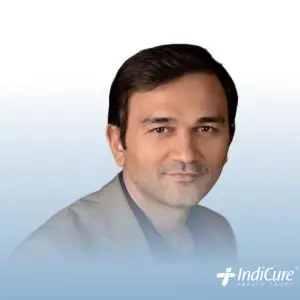
Mumbai
Experience: 22+ years
Hospital: Global Eye Clinic, Ghatkopar
Speciality: Cataract, Refractive & Corneal Transplant Surgery
Qualification: MBBS, MS (Ophthalmology)
Fellowships: Fellow of the All India College of Ophthalmology, FAICO (Refractive Surgery)
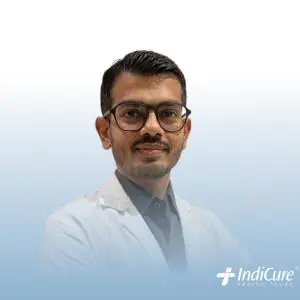
Navi Mumbai
Experience: 14+ years
Hospital: Advanced Eye Hospital and Institute (AEHI), a unit of Dr. Agarwal's Eye Hospital
Speciality: Cornea, Cataract & Refractive Surgery
Qualification: MBBS, MS (Ophthalmology)
Fellowships and Training: Cornea, Cataract & Refractive Surgery, L.V. Prasad Eye Institute, Hyderabad; Advanced cornea training, Wills Eye Hospital, Philadelphia, USA

Mumbai
Experience: 14+ years
Hospital: Gleneagles Hospital
Speciality: Corneal Transplantation, Cataract Surgery, and Refractive Surgery
Qualification: MBBS, MS (Ophthalmology)
Fellowships and Training: Fellowship in Cornea and Microsurgery, L. V. Prasad Eye Institute, Hyderabad; training in Medical Retina at L. V. Prasad Eye Institute, Hyderabad
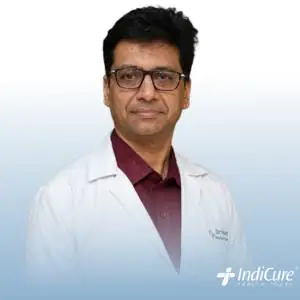
Mumbai
Experience: 24+ years
Hospital: Nanavati Max Super Speciality Hospital
Speciality: Cataract Surgery, Refractive Surgery, Retina and Vitreous Care
Qualification: MBBS, DOMS, DNB (Ophthalmology)
Fellowships and Training: Fellowship in Phacoemulsification, Bombay City Eye Institute, Mumbai; Fellowship in Retina and Vitreous, L. V. Prasad Eye Institute, Hyderabad (2010)
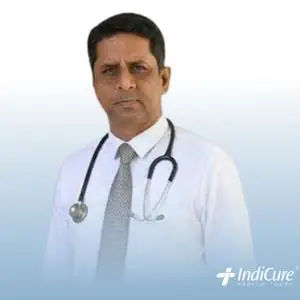
Mumbai
Experience: 20+ years
Hospital: Wockhardt Hospital
Speciality: Cataract Surgery, Corneal Disorders and Transplantation, Retina and Vitreous Care, Glaucoma, and LASIK
Qualification: MBBS, DOMS, DNB (Ophthalmology)
Fellowships and Training: Cornea Fellowship, L.V. Prasad Eye Institute, Hyderabad (2000); LASIK training, New Vision Laser Centers, Baroda (2003); International Council of Ophthalmology Fellowship in Medical Retina, Ghent, Belgium (2006); Glaucoma observership with Dr. Robert Ritch, New York, USA (2014)
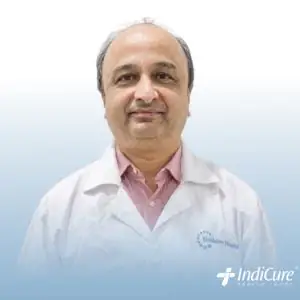
Mumbai
Experience: 22+ years
Hospital: Kokilaben Dhirubhai Ambani Hospital
Speciality: Vitreoretinal surgery: retinal detachment, diabetic retinopathy, macular hole, macular degeneration and retinopathy of prematurity
Qualification: MBBS, DO (Diploma in Ophthalmology), DNB (Ophthalmology)
Fellowships and Training: Fellowship in Retina, Sankara Nethralaya, Chennai; DNB training in Ophthalmology at Sankara Nethralaya, Chennai
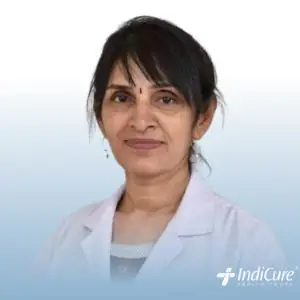
Mumbai
Experience: 30+ years
Hospital: Fortis Hospital, Mulund
Speciality: Paediatric ophthalmology, squint, cataract and glaucoma
Qualification: MBBS, DOMS, FRCS (Edinburgh, UK)
Fellowships and Training: Training in Pediatric Ophthalmology at Moorfields Eye Hospital, London, UK; Ophthalmology training at Manchester Royal Eye Hospital, UK
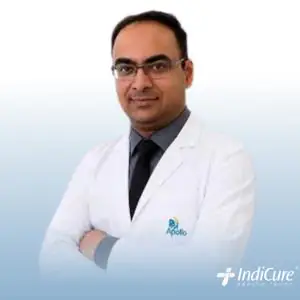
Navi Mumbai
Experience: 12+ years
Hospital: Apollo Hospital, CBD Belapur
Speciality: Corneal Transplantation, Corneal and Ocular Surface Disorders, Refractive Surgery, LASIK, PRK, and Cataract Surgery
Qualification: MBBS, DNB (Ophthalmology)
Fellowships and Training: Fellowship and Clinical Associate training in Cornea at L. V. Prasad Eye Institute, Hyderabad; Specialized training in Cornea and Anterior Segment Diseases, Ocular Immunology and Refractive Surgery at L. V. Prasad Eye Institute, Hyderabad; Ophthalmology residency at Christian Medical College and Hospital, Vellore
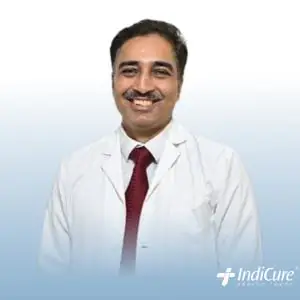
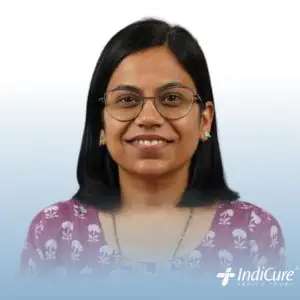
Gurugram
Experience: 20+ years
Hospital: Medanta - The Medicity
Speciality: Corneal Disorders, Corneal Transplantation, Cataract Surgery, Refractive Surgery, LASIK, PRK and Ocular Surface Disorders
Qualification: MBBS, MD (Ophthalmology), DNB (Ophthalmology)
Fellowships and Training: Three-year Fellowship in Cornea, Cataract and Refractive Surgery at Dr. R. P. Centre for Ophthalmic Sciences, AIIMS, New Delhi
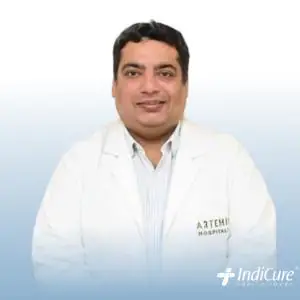
Faridabad
Experience: 11+ years
Hospital: Amrita Hospital
Speciality: Corneal Transplantation, Corneal Disorders, Cataract Surgery, Refractive Surgery, LASIK and Ocular Surface Reconstruction
Qualification: MBBS, MS (Ophthalmology), DNB (Ophthalmology), FICO (UK)
Fellowships and Training: Fellowship in Cornea and Anterior Segment, L. V. Prasad Eye Institute (LVPEI), Hyderabad; Advanced clinical training at Cleveland Clinic, Ohio, USA
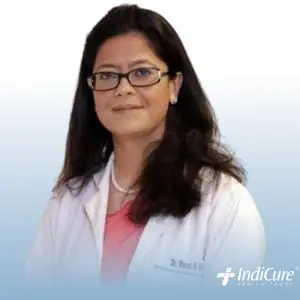
Gurugram
Experience: 14+ years
Hospital: Artemis Hospital
Speciality: Cataract Surgery, Refractive Surgery, LASIK, Keratoconus, Corneal Disorders and Dry Eye Management
Qualification: MBBS, MD (Ophthalmology)
Fellowships and Training: Fellowship in Phacoemulsification and Refractive Surgery, Narayana Nethralaya, Bengaluru; Postgraduate training in Ophthalmology at Dr. R. P. Centre for Ophthalmic Sciences, AIIMS, New Delhi
Gurugram
Experience: 25+ years
Hospital: Fortis Memorial Research Institute (FMRI)
Speciality: Glaucoma, Cataract Surgery, Refractive Surgery, LASIK, PRK, Phakic ICL, Squint Correction and Keratoconus Management
Qualification: MBBS, MS (Ophthalmology), DNB (Ophthalmology), MNAMS, FICO (UK)
Fellowships and Training: Specialized training in Glaucoma at Moorfields Eye Hospital, London, and L. V. Prasad Eye Institute, Hyderabad; Training in Cornea and Refractive Surgery at Dr. Agarwal's Eye Institute, Chennai; Observership at Singapore National Eye Centre; Additional training in corneal transplantation and keratoconus at L. V. Prasad Eye Institute, Hyderabad
The starting costs of eye surgery in India are as follows (as of October 2026). This is usually much lower than the cost in the US, UK or Australia.
The final cost depends on the lens or procedure chosen, the surgical technology, the hospital, and your eye examination.
The right option depends on corneal thickness, prescription, and pupil size, and is confirmed only after a detailed eye examination before surgery.
In phacoemulsification, a small ultrasonic probe is inserted through a 2-3 mm incision. It breaks up and removes the clouded natural lens, which is then replaced with an artificial intraocular lens. The procedure usually takes 10 to 15 minutes per eye.
Traditional (extracapsular) cataract surgery uses a larger incision and removes the lens in one piece. It needs stitches and a longer recovery, and is now used mainly for very dense or complicated cataracts.
Phacoemulsification is usually done with numbing eye drops, without an injection or stitches, so most patients resume normal activity within a day or two.
The right lens depends on your lifestyle, astigmatism and eye health, and is decided with your surgeon after a detailed eye evaluation.
Standard phacoemulsification uses a handheld ultrasonic probe to manually create the incision and break up the cataract. FLACS uses a computer-guided femtosecond laser to perform some of the same steps — the incision, the opening in the lens capsule, and initial fragmentation of the cataract — with greater precision and reproducibility before the surgeon completes the procedure. For routine cataracts, both approaches deliver comparable visual outcomes in experienced hands; FLACS tends to offer an advantage in more complex cases, such as very dense cataracts or eyes needing precise astigmatism correction with a toric lens. It is generally a premium option rather than a routine necessity, and suitability is assessed case by case.
Good candidates are typically patients with otherwise healthy eyes, with no significant macular disease, uncontrolled glaucoma, or corneal irregularity. They want less dependence on glasses at all distances and are comfortable with a short adjustment period.
Patients with retinal conditions, significant dry eye or irregular astigmatism may be better suited to a monofocal or EDOF lens. The same applies to people who drive a lot at night for work, because multifocal lenses can cause glare or halos around lights.
A full eye examination, including retinal and corneal assessment, is needed before a surgeon can confirm whether you are a candidate.
Same-day LASIK on both eyes is routine at most centres. It is a quick procedure with a well-established safety record.
Same-day cataract surgery on both eyes is less common. Many surgeons prefer to operate on one eye first and the second a few days later. Some centres offer same-day surgery on both eyes for suitable patients, which can shorten the stay for international patients. Your surgeon will advise based on your eye health.
Most patients notice improved vision within a day of cataract surgery. Vision fully stabilises over 2 to 4 weeks as the eye heals.
LASIK recovery is usually faster: many patients see clearly within 24 to 48 hours. The cornea keeps stabilising for several weeks, so strenuous exercise and eye rubbing are usually avoided during that time.
Both are day procedures and don't need an overnight hospital stay.
Keratoconus is a progressive condition in which the cornea thins and bulges into a cone shape, distorting vision. It often first appears in the teenage or young adult years.
Because keratoconus is progressive, early diagnosis and treatment generally preserve more vision.
Most patients can fly once their surgeon has confirmed at the follow-up check that the eye is healing well. Corneal transplant patients need a longer stay and closer follow-up, which the surgeon will advise on.
The right type depends on which corneal layers are affected, which is confirmed with corneal imaging before surgery.
The ophthalmologists on this page offer the following treatments:
This page was written by Dr. Anjali Mishra, BDS, and medically reviewed by Dr. Harish Pamnani, MBBS, DCH.
This information is for educational purposes only. IndiCure facilitates medical travel and does not provide medical advice, diagnosis, or treatment. A qualified ophthalmologist must assess whether a treatment is suitable for you. Outcomes and risks vary from patient to patient.
Each ophthalmologist's qualifications, specialties and hospital affiliations are reviewed against IndiCure's 15-Point Surgeon Selection Criteria, using official hospital profiles and the National Medical Commission register. Surgical volumes are as reported by the surgeon or hospital and are updated when new figures are available.
The doctor credentials on this page were checked against the official profiles below.
The FAQ answers draw on the following sources.
The FAQ answers draw on the following sources.
Privacy Note: Your medical information is handled confidentially and is used only for patient support and treatment coordination.
We handle every detail of your trip so you can focus entirely on your health and recovery:
The content provided on this website is intended for general educational purposes only and does not constitute professional medical advice, diagnosis, or treatment. While we maintain a comprehensive editorial policy to ensure the accuracy and reliability of our information, this content should not be utilized as a substitute for professional clinical care.
Individual Results: All "before and after" photographs are illustrative examples of potential outcomes; actual surgical results vary significantly by individual.
Mandatory Consultation: We strongly advise a personal, in-person evaluation with a qualified surgeon to assess your specific medical needs and realistic procedural goals.
Surgical Risk: It is vital to maintain realistic expectations and fully understand potential complications before electing for surgery.