Curated By:
Dr. Chhaya Rakh
Medically Reviewed By:
Dr. Harish Pamnani, MBBS, DCH
Last updated: Oct 20, 2026
Eye surgery depends on a very high degree of surgical precision. IndiCure actively audits and hand-selects every partner eye hospital in India to ensure your safety and the quality of your treatment.
Using a strict 10-Point Selection Framework, we evaluate each facility for:
Our Partner Eye Hospitals in India
The following accredited partners have been hand-selected and verified by the IndiCure Quality Team. Before you travel, our team coordinates a direct consultation with our partner specialists to customize your surgical plan and organize your entire medical journey.
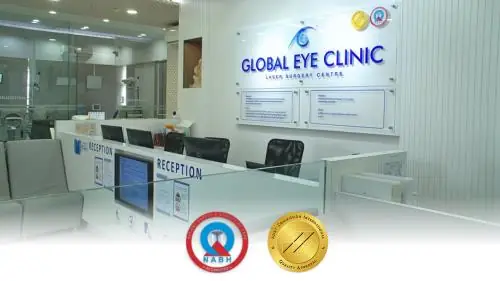
Mumbai
Established In: 2016
Speciality: Ophthalmology (Comprehensive Eye Care)

Delhi NCR
Established In: 2018
Speciality: Single-Speciality Eye Care (Ophthalmology)

Mumbai
Established In: 1995
Speciality: Single-Specialty Eye Care
Accreditation: NABH, QAI-CAHSC 3
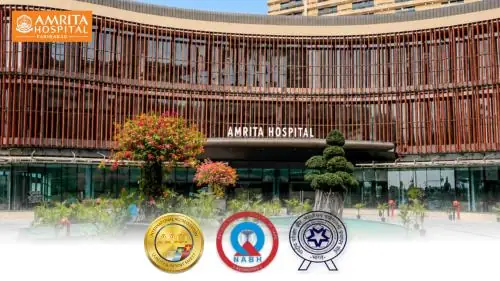
Faridabad, (Delhi NCR)
Established In: 2022
Beds: 2,600
Speciality: Multi-specialty Quaternary Care Hospital
Accreditation: AACI, NABH, NABL

Navi Mumbai
Established In: 2012
Speciality: Single-Specialty Eye Care (Ophthalmology)
Accreditation: NABH

Gurugram (Delhi-NCR)
Established In: 2007
Beds: 865
Speciality: Multi-specialty Quaternary Care Hospital
Accreditation: JCI, NABH, NABL, Green OT, Pharmacie De Qualité
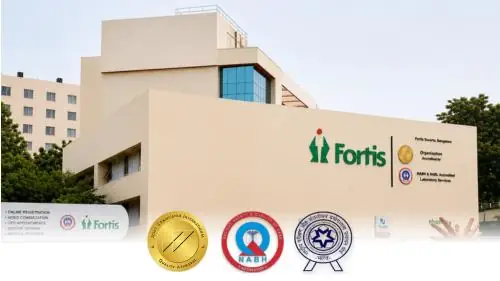
Mulund, (Mumbai)
Established In: 2004
Beds: 400+
Speciality: Multi-Specialty Tertiary and Quaternary Care Hospital
Accreditation: JCI, NABH, NABL
IndiCure's quality team evaluates partner eye hospitals using its 10-Point Hospital Selection Criteria to help ensure patient safety. Rather than listing every available hospital, IndiCure selects facilities based on factors such as:
This selective approach is intended to help international patients access hospitals that meet consistent clinical and safety standards.
Our partner eye hospitals in India offer a wide range of care, from routine vision correction to complex, specialized surgeries. International patients commonly travel to India for procedures such as micro-incision cataract surgery (MICS), LASIK, and glaucoma and retina surgery.
For more complex cases, partner hospitals also offer specialized treatments, including:
Our Partner eye hospitals use diagnostic and surgical technologies for vision correction, cataract surgery, corneal transplantation, and retinal care. Depending on the hospital and a patient's clinical suitability, treatment may involve:
Yes. IndiCure's partner multi-specialty hospitals have dedicated ocular oncology and oculoplastics departments. For example, Amrita Hospital has a clinical unit where eye specialists work alongside radiation oncologists to treat tumors of the eye, retina, orbit, and eyelids.
These specialized units use surgical tools and radiation therapies that are typically not available at standalone eye clinics.
India's top quaternary eye centers offer highly advanced tertiary procedures for rare and severe corneal diseases that are often unavailable in standard clinics. Our partner hospitals specialize in Advanced Ocular Surface Reconstruction, including partial-thickness corneal transplants (DALK/DSEK), artificial corneas (KPRO), and Limbal Stem Cell Transplantation (SLET).
Additionally, dedicated ocular oncology units provide highly integrated clinical management for tumors of the eye, retina, and orbit in direct coordination with radiation oncologists.
Yes. IndiCure's partner hospitals have dedicated pediatric ophthalmology units for treating infants and children, offering care for congenital cataracts, childhood glaucoma, squint correction, and Retinopathy of Prematurity (ROP) screening for premature infants.
These units typically use child-sized diagnostic instruments, sterile operating environments, and pediatric anesthesia teams experienced in eye procedures for young patients.
One should plan to stay in India for approximately 7 to 10 days for standard procedures like cataract or LASIK surgery, and potentially longer for complex retinal or corneal transplants. While most modern eye surgeries are performed as quick, outpatient procedures, this timeframe is necessary for essential post-operative monitoring, early healing evaluation, and pressure stability checks.
The IndiCure team assists you by arranging comfortable, dust-free accommodations close to your chosen hospital to support a smooth and safe recovery before you are cleared to fly.
Our partner eye hospitals in India use diagnostic imaging systems designed to detect and monitor eye conditions early. These include:
Cataract surgery at our partner hospitals is typically performed as an outpatient procedure, using techniques such as Femtosecond Laser-Assisted Cataract Surgery (FLACS) or micro-incision phacoemulsification.
During phacoemulsification, the surgeon breaks up and removes the cloudy natural lens through a small incision, usually under 2.2 millimeters. This technique is generally sutureless, with a short recovery period.
Depending on the patient's eligibility and preference, various intraocular lens (IOL) options may be available, including:
Lens brands may include Zeiss, Bausch & Lomb, and Johnson & Johnson, depending on the hospital and the patient's clinical needs.
You can request a preliminary treatment plan and cost estimate by sharing your recent eye reports, vision prescription, and diagnostic scans with the IndiCure team. Medical coordinators will share your case with ophthalmologists at our partner eye hospitals in India to get a clinical opinion suited to your condition.
For general planning, eye care costs in India typically fall into two ranges:
These figures are estimates. Your medical coordinator will provide a personalized cost estimate, recommended treatment approach, and expected recovery timeline based on your specific case, before you make any travel plans.
Medical Disclaimer
The information on this page—including hospital profiles, technology specs, and surgical volumes—is for educational purposes only. IndiCure is a medical travel coordinator, not a healthcare provider; we do not provide medical advice, diagnosis, or treatment. All clinical pathways and surgical eligibility are determined exclusively by independent, qualified ophthalmologists at their licensed institutions. Individual outcomes and recovery times vary. Final procedural suitability and medical clearance for air travel must be confirmed by a specialist before booking.
Note: Hospital details, accreditations, and services are reviewed annually by the IndiCure Quality Team and verified via official sources. Information is current as of the page's last updated date; users must independently verify the current status.
Sources:
Privacy Note: Your medical information is handled confidentially and is used only for patient support and treatment coordination.
We handle every detail of your trip so you can focus entirely on your health and recovery:
The content provided on this website is intended for general educational purposes only and does not constitute professional medical advice, diagnosis, or treatment. While we maintain a comprehensive editorial policy to ensure the accuracy and reliability of our information, this content should not be utilized as a substitute for professional clinical care.
Individual Results: All "before and after" photographs are illustrative examples of potential outcomes; actual surgical results vary significantly by individual.
Mandatory Consultation: We strongly advise a personal, in-person evaluation with a board-certified surgeon to assess your specific medical needs and realistic procedural goals.
Surgical Risk: It is vital to maintain realistic expectations and fully understand potential complications before electing for surgery.