Curated By:
Dr. Anjali Mishra, BDS
Medically Reviewed By:
Dr. Harish Pamnani, MBBS, DCH
Last updated: Nov 06, 2026
Looking for the best nephrologist in India? This page features 12 nephrologists (kidney specialists) in India- Mumbai, Navi Mumbai, New Delhi, Gurugram, and Faridabad who treat chronic kidney disease, manage dialysis, and care for patients before and after a kidney transplant. Compare their qualifications, experience, and hospitals, and check their official profiles to make an informed decision about kidney care in India with IndiCure Health Tours.
Kidney disease is often long-term. The right nephrologist depends on your diagnosis, whether you need dialysis or a transplant, and the support available at the hospital, such as dialysis units, a transplant programme and critical care.
IndiCure evaluates nephrologists featured on this page against its 15-Point Doctor Selection Criteria, covering qualifications, clinical experience, subspecialty training and hospital accreditation. Links to official profiles are provided to help you verify their credentials. We don't charge patients for recommendations, and no doctor or hospital is featured in exchange for a financial arrangement.
The doctors below are listed in no particular order. This is a list, not a ranking.

Mumbai
Experience: 46+ years
Hospital: Gleneagles Hospital
Speciality: Nephrology and Kidney Transplantation
Qualification: MBBS, MD, DNB (Nephrology)
Fellowships and Training: Clinical Fellowship in Nephrology, University of Cincinnati Medical Center, USA; Clinical Research Fellowship, New England Medical Center, Boston, USA; French Government Scholarship (1997) for training in a deceased-donor kidney transplant programme
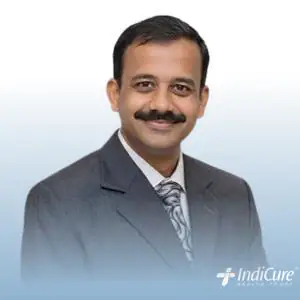
Navi Mumbai
Experience: 17+ years
Hospital: Apollo Hospitals, Navi Mumbai
Speciality: Nephrology, Kidney Transplantation
Qualification: MBBS, MD (Internal Medicine), DNB (Nephrology)
Fellowships and Training: AST/ASN Adult Renal Transplant Fellowship, Home Dialysis Fellowship and ASH Clinical Hypertension Fellowship, the Ottawa Hospital, Canada; Mini Fellowship in Renal Ultrasonography, Emory University, USA

Mumbai
Experience: 30+ years
Hospital: Nanavati Max Super Speciality Hospital
Speciality: Nephrology and Renal Transplant Medicine
Qualification: MBBS, MD (Medicine), DM (Nephrology)
Fellowships and Training: Clinical Fellowship in Nephrology and Transplantation, University of Toronto, Canada; kidney transplant training at the University of Alabama at Birmingham, USA, and the University of Toulouse, France; International Transplant Observership, Massachusetts General Hospital, USA

Mumbai
Experience: 25+ years
Hospital: Fortis Hospital, Mulund
Speciality: Nephrology, Dialysis and Kidney Transplantation
Qualification: MBBS, MD (Medicine), DNB (Nephrology), MNAMS
Fellowships and Training: Royal College-sponsored Clinical Fellowship in Nephrology at Leicester General Hospital, UK, with additional training in renal obstetrics and long-term care of kidney transplant patients

Gurugram
Experience: 40+ years
Hospital: Artemis Hospital
Speciality: Nephrology, Kidney Transplantation and Critical Care Nephrology
Qualification: MBBS, MD (Internal Medicine), DNB (Nephrology), MBA (Healthcare Administration)
Fellowships and Training: Fellowship in Nephrology at the University of Minnesota Hospitals and Clinics, USA

Faridabad
Experience: 25+ years
Hospital: Amrita Hospital
Speciality: Nephrology, Kidney Transplantation and Paediatric Nephrology
Qualification: MBBS, MD (General Medicine), DNB (General Medicine), DM (Nephrology), DNB (Nephrology)
Fellowships and Training: Nephrology training at Christian Medical College (CMC), Vellore; Fellow of the International Society of Nephrology and the International Society for Peritoneal Dialysis

Gurugram
Experience: 25+ years
Hospital: Fortis Memorial Research Institute (FMRI)
Speciality: Nephrology and Kidney Transplantation
Qualification: MBBS, MD (Internal Medicine), DNB (Nephrology)
Fellowships and Training: Fellowship in Nephrology and Renal Transplantation at the University of Toronto, Canada

New Delhi
Experience: 39+ years
Hospital: BLK-Max Super Speciality Hospital
Speciality: Nephrology and Renal Transplantation
Qualification: MBBS, MD (Internal Medicine), DM (Nephrology)
Fellowships and Training: Fellowship of the International Society for Peritoneal Dialysis (FISPD), with advanced peritoneal dialysis training at Toronto Western Hospital, Canada; Fellowship of the International Society of Nephrology (FISN), with training at the University of Missouri, USA

New Delhi
Experience: 30+ years
Hospital: Max Smart Super Speciality Hospital, Saket
Speciality: Nephrology and Renal Transplant Medicine
Qualification: MBBS, MD (Medicine), DM (Nephrology)
Fellowships and Training: International Transplant Observership, Massachusetts General Hospital, Boston, USA; Roche Preceptorship in Kidney Transplantation, University of Alabama at Birmingham, USA; Fellow, International Society of Nephrology

Mumbai
Experience: 30+ years
Hospital: Kokilaben Dhirubhai Ambani Hospital
Speciality: Nephrology, Critical Care Nephrology and Kidney Transplantation
Qualification: MBBS, MD (Internal Medicine), DM (Nephrology)
Fellowships and Training: Nephrology fellowship at St James's University Hospital, UK, followed by fellowships at Singapore General Hospital and the National Kidney Foundation, Singapore. Training included kidney transplantation, dialysis, and critical care renal replacement therapy

Mumbai
Experience: 15+ years
Hospital: Nanavati Max Super Speciality Hospital
Speciality: Nephrology, Kidney Transplant Medicine, Interventional Nephrology, Diabetic Kidney Disease
Qualification: MBBS, MD (General Medicine), DNB (Nephrology), Postgraduate Diploma in Diabetology
Fellowships and Training: DNB training in Nephrology at Lilavati Hospital and Research Centre, Mumbai (2008-2011); International Certificate Course in Nephropathology, supported by the International Society of Nephrology and the American Society of Nephrology (2014); Asian Mini Fellowship in Dialysis Vascular Access at Changzheng Military Hospital, Shanghai, China (2014); Baxter Scientia Peritoneal Dialysis Research Course at Sun Yat-sen University, China (2013)

Gurugram
Experience: 20+ years
Hospital: Medanta - The Medicity
Speciality: Nephrology, Kidney Transplantation and Critical Care Nephrology
Qualification: MBBS, MD (General Medicine), DM (Nephrology), FRCP (London)
Fellowships and Training: Nephrology training at SGPGIMS, Lucknow; Fellow of the Royal College of Physicians, London (2020); Fellow of the American Society of Nephrology (2020); Fellow of the Indian Society of Nephrology (2016)
There is no single best nephrologist for every patient. The right choice depends on your condition, whether you need dialysis or a transplant, and the city and hospital that suit you. The nephrologists on this page work at accredited hospitals in Mumbai, Navi Mumbai and Delhi NCR (New Delhi, Gurugram and Faridabad), and their official profiles are linked so that you can check their credentials.
A nephrologist is a physician who treats kidney diseases, including chronic kidney disease, with medicines, dialysis, and long-term care. A urologist is a surgeon who operates on the kidneys, bladder and prostate, for example to remove stones or tumours or to perform a transplant. Kidney transplant patients are usually cared for by both.
A nephrologist treats diseases that affect how the kidneys work, including chronic kidney disease, acute kidney injury, kidney inflammation (glomerulonephritis), kidney problems caused by diabetes or high blood pressure, and electrolyte imbalances. Nephrologists also manage dialysis and care for patients before and after a kidney transplant.
See a nephrologist if blood tests show reduced kidney function (a high creatinine or low eGFR), if there is protein or blood in your urine, if your blood pressure is hard to control, or if you have diabetes with signs of kidney damage. Your doctor may also refer you if your kidney function is falling quickly or you may need dialysis.
Early kidney disease often causes no symptoms, so it is usually found through blood and urine tests. Later signs can include swelling in the feet or face, foamy urine, passing more or less urine than usual, tiredness, loss of appetite and high blood pressure. People with diabetes or high blood pressure should have their kidney function checked regularly.
Chronic kidney disease is divided into five stages based on eGFR, a blood test that estimates how well the kidneys filter waste. Stages 1 and 2 involve mild damage, stages 3 and 4 a moderate to severe loss of function, and stage 5 is kidney failure (an eGFR below 15), when dialysis or a transplant is usually needed.
It depends on the cause. Kidney function often recovers after acute kidney injury when the cause is treated quickly. Chronic kidney disease usually cannot be reversed, but treatment can slow it down and delay or prevent the need for dialysis.
In the early stages, yes. Controlling blood pressure and blood sugar, taking the right medicines, and making diet changes can slow kidney damage. Dialysis or a transplant is needed only when the kidneys can no longer do enough of their work. Your nephrologist will tell you which stage you are at.
Haemodialysis is usually done in a hospital or dialysis centre, about three times a week. Peritoneal dialysis is done at home every day using the lining of the abdomen. The choice depends on your health, lifestyle and the support available at home. Your nephrologist will help you decide.
For many suitable patients, a kidney transplant offers a longer life and a better quality of life than staying on dialysis. Not everyone is fit for a transplant, though, and a living donor is not always available. Your nephrologist will explain which option suits your health and circumstances.
The nephrologist (transplant physician) checks whether you and your donor are fit for transplant, plans the anti-rejection treatment, and manages your care after surgery. That includes adjusting medicines, watching for rejection and infection, and following you up over the long term.
Most people with kidney disease are advised to limit salt. Some also need to control potassium, phosphorus, protein or fluids, depending on their test results and stage of disease. Your nephrologist or a renal dietitian will give you advice specific to your case.
Yes. Patients already on dialysis can arrange sessions at hospital dialysis units in India during their stay. Share your current dialysis prescription and recent reports in advance so that sessions can be booked before you arrive.
Yes. Share your recent blood tests, urine reports, scans and current medicines with IndiCure. We can arrange an opinion or a video consultation with a nephrologist from this page before you decide to travel.
Send recent kidney function tests (creatinine and eGFR), a urine test for protein, a kidney ultrasound, a list of your current medicines and any kidney biopsy reports. If you are on dialysis or considering a transplant, also include your dialysis details and blood group.
This page was written by Dr. Anjali Mishra, BDS, and medically reviewed by Dr. Harish Pamnani, MBBS, DCH.
This information is for educational purposes only. IndiCure facilitates medical travel and does not provide medical advice, diagnosis or treatment. Kidney diseases require assessment by a qualified nephrologist. Diagnosis, treatment options, eligibility for kidney transplantation, risks and outcomes vary from patient to patient.
Each nephrologist's qualifications, experience and hospital affiliation are reviewed against IndiCure's 15-Point Doctor Selection Criteria, using official hospital profiles and the National Medical Commission register where applicable. Fellowships, awards and other professional achievements are presented as reported by the doctor or hospital.
Credentials were last verified in October 2026.
Privacy Note: Your medical information is handled confidentially and is used only for patient support and treatment coordination.
We handle every detail of your trip so you can focus entirely on your health and recovery:
The content provided on this website is intended for general educational purposes only and does not constitute professional medical advice, diagnosis, or treatment. While we maintain a comprehensive editorial policy to ensure the accuracy and reliability of our information, this content should not be utilized as a substitute for professional clinical care.
Individual Results: All "before and after" photographs are illustrative examples of potential outcomes; actual surgical results vary significantly by individual.
Mandatory Consultation: We strongly advise a personal, in-person evaluation with a qualified surgeon to assess your specific medical needs and realistic procedural goals.
Surgical Risk: It is vital to maintain realistic expectations and fully understand potential complications before electing for surgery.