+91-932-003-6777 info@indicure.com
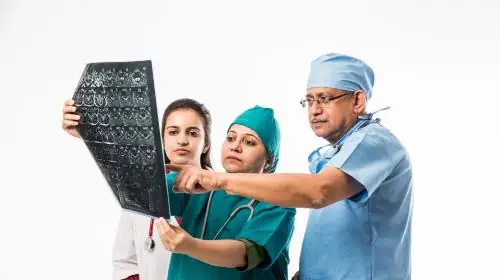
Main webpage image for IndiCure's curated list of best neurosurgery hospitals in India

India's Leading Neurosurgery Hospitals - Trusted by IndiCure

Curated By: Dr. Chhaya Rakh
Medically Reviewed By: Dr. Ruchika Malhotra, BOT, OTR (USA), MSW

Last updated: July 22, 2026

Why the Right Neuro Hospital Matters—And How We Choose Them

Neurological conditions demand highly specialized care, advanced technology, and precise treatment planning. To ensure you receive world-class care, IndiCure's Quality Team handpicks our partner neurosurgery hospitals in India using a rigorous 10-Point Selection Criteria—evaluating specialist expertise, advanced neurosurgical infrastructure, patient safety, and clinical outcomes.

Here are our top recommended neurosurgery hospitals in India for your treatment:
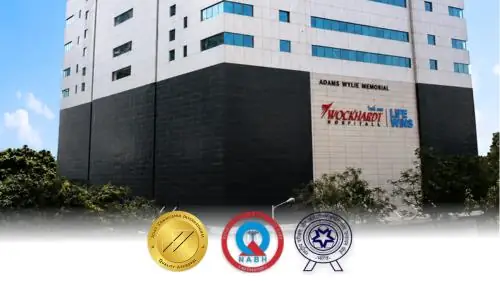
Wockhardt Hospital, Mumbai

Wockhardt Hospital, Mumbai

Mumbai Central

Established In: 2014

Beds: 350+

Speciality: Multi-specialty tertiary care

Accreditation: JCI, NABH, NABL
  • Comprehensive Quaternary Program: Delivers an integrated neurosurgery and spine program specializing in the total management of complex intracranial tumors, degenerative disc disease, and functional neurological conditions.
  • Surgical & Vascular Mastery: High expertise in executing precision microsurgery for supratentorial and posterior fossa brain tumors, aneurysm clipping, and specialized cerebrospinal fluid (CSF) diversion procedures for hydrocephalus.
  • Minimally Invasive Spine Treatment: Focuses on micro-decompression, keyhole microdiscectomy for lumbar/cervical spinal stenosis, and structured instrumentation or fusion for spinal stability.
  • Dedicated Neuro-Critical Infrastructure: Supported by advanced neuro-operating theaters with high-definition operating microscopes, pre-operative image-guided mapping, and a dedicated NeuroICU for continuous neurological monitoring.

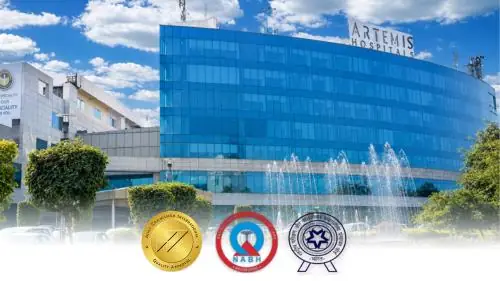
Artemis Hospital, Delhi NCR

Artemis Hospital, Delhi NCR

Gurugram (Delhi-NCR)

Established In: 2007

Beds: 865

Speciality: Multi-specialty Quaternary Care Hospital

Accreditation: JCI, NABH, NABL, Green OT, Pharmacie De Qualité
  • Integrated Neurosciences Center: Domestically and internationally recognized for advanced cranial and spinal surgeries, balancing device-led interventions with excellent long-term outpatient surveillance.
  • Advanced Cranio-Spinal Care: Expertly manages skull-base tumors, deep-seated intracranial lesions, endoscopic pituitary interventions, microdiscectomies, and complex pediatric neurosurgeries.
  • Comprehensive Neurological Therapeutics: Houses highly specialized, protocol-driven clinics for acute stroke management, brain hemorrhages, refractory epilepsy, Parkinson's disease, and neurodegenerative disorders.
  • Precision Technological Mapping: Outfitted with computer-assisted neuronavigation systems, high-end operating microscopes, advanced 3T MRI/CT neuroimaging platforms, and intraoperative neurophysiological monitoring (IONM).

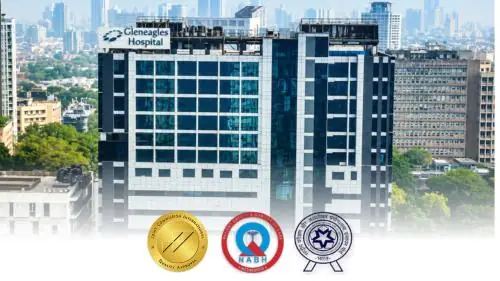
Gleneagles Hospital, Mumbai

Gleneagles Hospital, Mumbai

Mumbai

Established In: 2008

Beds: 450

Speciality: Quaternary care multi-specialty

Accreditation: JCI, NABH, NABL
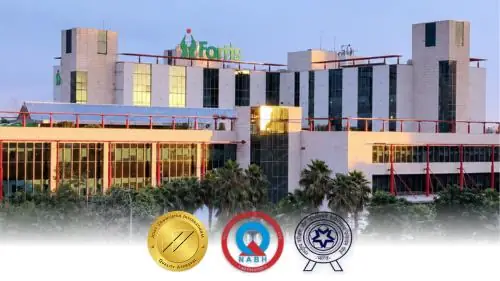
  • Western India Care Anchor: Functions as a critical tertiary and quaternary hub for elective and emergency neurosurgery, offering comprehensive treatment pathways for complex brain and spine diseases.
  • Clinical & Trauma Breadth: Specialized in the surgical excision of brain tumors, rapid-response evacuation of traumatic intracranial hemorrhages, and complex stabilization surgeries for spinal fractures.
  • Functional Restoration: Provides expert surgical and therapeutic interventions for movement disorders, including Parkinson's disease, dystonia, and severe essential tremors.
  • Dedicated ICU Monitoring: Features dedicated neurosurgical operating theaters with advanced microsurgical capabilities and specialized NeuroICUs providing round-the-clock ventilatory and hemodynamic support.

Fortis Memorial Research Institute (FMRI), Delhi NCR

Fortis Memorial Research Institute (FMRI), Delhi NCR

Gurugram, (Delhi NCR)

Established In: 2013

Beds: 330+

Speciality: Quaternary care multi-super specialty

Accreditation: JCI, NABH, NABL
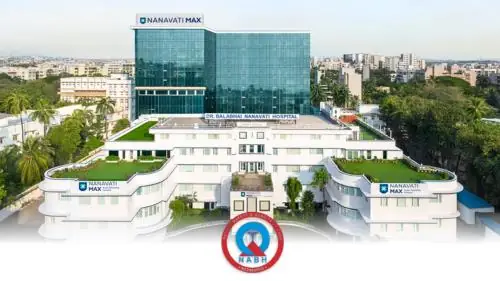
  • Next-Generation Surgical Innovation: Globally recognized neuroscience powerhouse utilizing cutting-edge digital visualization tools for near-total tumor resections and complex skull-base approaches.
  • Advanced Visualization Platforms: Equipped with the elite Kinevo Microscope for specialized dye differentiation and exoscope-assisted surgeries, alongside the FD 20 lab for high-precision interventional neuro-radiology.
  • Subspecialty Surgical Depth: Highly sought after for functional area brain tumors, refractory epilepsy surgery, complex aneurysm clipping, arteriovenous malformation (AVM) resections, and complex pediatric congenital neuro-anomalies.
  • Image-Guided Navigation: Features a comprehensive, high-resolution diagnostic suite backed by real-time intraoperative neuromonitoring and a dedicated NeuroICU staffed by specialized neuro-intensivists.

Nanavati Max Super Speciality Hospital, Mumbai

Nanavati Max Super Speciality Hospital, Mumbai

Mumbai

Established In: 1950

Beds: 350

Speciality: Multi-specialty Quaternary care

Accreditation: NABH, NABH-MIS (For Imaging & Radiology Excellence)
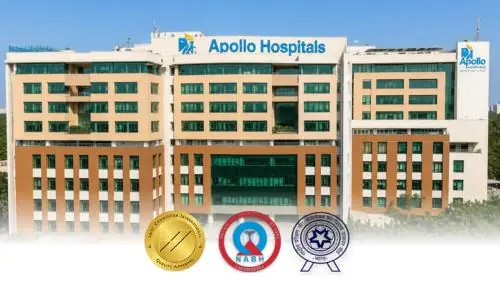
  • Multidisciplinary Tumor & Trauma Care: Pairs a deep legacy of clinical trust with high-end diagnostic and surgical technology to manage complex neuro-oncology, advanced spinal diseases, and acute head trauma.
  • Surgical Precision Suite: Highly skilled in total micro-endoscopic disc surgeries, advanced spinal fusion, skull-base procedures, structural neuro-endoscopy, and specialized pediatric neurosurgeries.
  • Nuclear & Advanced Neuroimaging: Features state-of-the-art diagnostic platforms, including 3T Wide-Bore MRI and PET-CT imaging dedicated to precise neuro-oncology mapping and pre-surgical planning.
  • Advanced Operative Tools: Integrates High-Resolution Microscopes, Cavitron Ultrasonic Surgical Aspirators (CUSA) for clean tumor ablation, high-speed drills, and specialized cranial endoscopes.

Apollo Hospitals, Navi Mumbai

Apollo Hospitals, Navi Mumbai

Navi Mumbai

Established In: 2016

Beds: 500

Speciality: Multi-specialty Quaternary Care

Accreditation: JCI, NABH, NABL
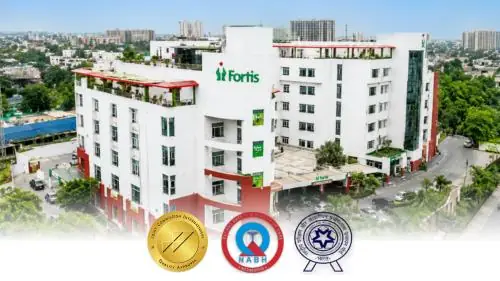
  • Integrated Neurosciences Model: Employs a strict, multidisciplinary framework to deliver comprehensive clinical care for complex disorders of the brain, spinal cord, and peripheral nerves.
  • Risk-Mitigated Interventions: Utilizes real-time Intraoperative Neuro-Monitoring (IONM) and computer-assisted neuronavigation to maximize tumor resection while protecting eloquent, high-risk functional brain tissue.
  • Interventional & Functional Breadth: Expertly covers deep brain stimulation (DBS) for movement disorders, minimally invasive endoscopic neurosurgery, pediatric neurology, and complex aneurysm interventions.
  • Structured Neuro-Rehabilitation: Features dedicated modern NeuroICUs backed by a comprehensive, long-term post-operative neuro-rehabilitation ecosystem to optimize functional recovery.

Fortis Hospital, Shalimar Bagh, New Delhi

Fortis Hospital, Shalimar Bagh, New Delhi

Shalimar Bagh, New Delhi

Established In: 2010

Beds: 375

Speciality: Multi-super specialty

Accreditation: JCI, NABH, NABL
  • Protocol-Driven Neuro-Spine Unit: Hosts a highly specialized unit dedicated to managing routine and complex brain tumors, degenerative spinal conditions, and acute neurotrauma.
  • Advanced Micro-Surgical Platforms: Features the integrated Kinevo Microscope and computer-guided neuronavigation systems to handle high-precision skull-base and complex spinal operations.
  • Decompression & Stabilization: Highly proficient in executing lumbar and cervical spinal decompressions, spinal fusion procedures, complex fracture fixations, and CSF shunt placements.
  • Intracranial Monitoring Infrastructure: Supported by dedicated neurology/neurosurgery intensive care spaces equipped with advanced mechanical ventilation and continuous intracranial pressure (ICP) monitoring systems.

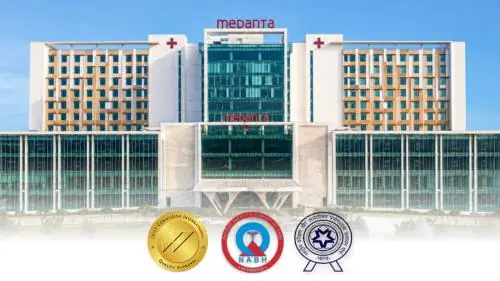
Medanta - The Medicity, Delhi NCR

Medanta - The Medicity, Delhi NCR

Gurugram, Delhi NCR

Established In: 2009

Beds: 1,440

Speciality: Multi-specialty Quaternary Care

Accreditation: JCI, NABH, NABL

  • Integrated Neurosciences Institute: A massive, globally decorated quaternary institute bringing together subspecialized multi-disciplinary teams, including neuro-interventionists, neuropsychologists, and neuro-intensivists.
  • Elite Infrastructure Platforms: Outfitted with the BrainSUITE (Intra-Operative Imaging OT), the O-Arm (Spine Suite), CyberKnife VSI stereotactic radiosurgery, and the DaVinci Robotic Surgical System.
  • Ultra-Complex Surgical Specialization: High-volume mastery over eloquent-area functional brain tumors, deep-seated vascular malformations, complex epilepsy surgeries, pediatric neurosurgeries, and comprehensive stroke rehabilitation.
  • Dedicated Clinical Sub-Clinics: Runs highly structured, dedicated outpatient surveillance clinics for brain tumors, spinal disorders, stroke prevention, movement disorders, and chronic headaches.

Watch Our Patients Talk

story-of-successful-spinal-surgery-tourism-in-india

Pamela Scaddan, 78, refused to let age limits stand in her way, choosing IndiCure for spine surgery in India—where Dr. Mazda Turel successfully treated her 65-year battle with chronic back pain and restored her mobility.

journey-from-nz-to-india-spine-surgery

Linda Davis turned to IndiCure for spine surgery in India after being turned down for her age in New Zealand, making a rapid recovery that had her walking pain-free and touring the iconic Taj Mahal within a week.

Aron's incredible Severe Scoliosis Correction Surgery Success Story in India

Aron overcame a life-threatening, 120-degree spinal curve by choosing IndiCure for treatment in India, where advanced halo-gravity traction and scoliosis surgery freed his breathing and transformed his posture and outlook.

Frequently Asked Questions

The cost of neurosurgical and spine procedures in India provides exceptional financial efficiency, offering 65% to 80% savings compared to North America or Europe. On average:

  • Craniotomy for Brain Tumor Removal: $5,500 to $8,500 USD
  • Minimally Invasive Spine Surgery (Microdiscectomy/Decompression): $4,000 to $6,000 USD
  • Deep Brain Stimulation (DBS) for Parkinson's: $15,000 to $22,000 USD (including high-end implant costs)
  • Spinal Fusion Surgery (1-2 Levels): $5,000 to $7,500 USD

These standardized clinical packages generally include comprehensive pre-operative neuroimaging, surgical team fees, operating room use, immediate NeuroICU monitoring, and standard post-operative medications.

Please note: Actual package cost and inclusions are subject to final clinical evaluation and may vary based on individual patient requirements. Any additional diagnostic tests, extended ICU/ward stays, non-standard medications, or treatment for unforeseen medical complications are excluded from the standard package.

IndiCure uses a data-driven verification framework. We do not arbitrarily rank hospitals. Facilities are strictly vetted based on:

  • Global and National Accreditation: Continuous compliance with JCI and NABH institutional quality standards.
  • Subspecialty Neuro-Infrastructure: The presence of specialized NeuroICUs, dedicated neuro-operating theatres, and intraoperative monitoring (IONM) capabilities.
  • Advanced Technological Assets: On-site availability of neuronavigation, stereotactic radiosurgery (CyberKnife/Gamma Knife), and high-resolution imaging (3T MRI/PET-CT)

Neuronavigation acts like a real-time GPS tracking system for the human brain. By mapping pre-operative 3T MRI or CT scans into a specialized intraoperative computer system, it allows the neurosurgeon to precisely track the location of surgical instruments in relation to the tumor borders. This clinical precision allows for maximal tumor resection while preserving vital surrounding brain tissues responsible for speech, movement, and critical cognitive functions.

  • Traditional Open Spine Surgery: Requires a large midline incision and significant retraction of the paraspinal muscles from the bone, which can result in greater post-operative pain and longer recovery times.
  • Minimally Invasive Spine Surgery (MISS): Uses specialized tubular retractors inserted through minute incisions to create a direct path to the spinal column without disrupting healthy muscle tissue. This results in significantly less blood loss, a reduced risk of wound infection, shorter hospital stays (often 2-3 days), and an accelerated return to normal daily activities.

Yes. Top-tier Indian quaternary hospitals utilize advanced Neuro-Endoscopy to access complex skull-base and pituitary lesions through natural corridors, such as the nasal passages (transnasal transsphenoidal approach). This advanced technique eliminates the need for large cranial incisions or brain tissue retraction, significantly lowering risks and drastically reducing post-operative recovery timelines.

Our partner neurosurgery hospitals in India routinely implement Intraoperative Neurophysiological Monitoring (IONM) during delicate spinal cord and brain surgeries. IONM continuously tracks the electrical signals passing through the spinal cord and peripheral nerves using specialized modalities like Somatosensory Evoked Potentials (SSEP) and Motor Evoked Potentials (MEP). If an instrument gets too close to a critical nerve structure, the system alerts the surgical team immediately, preventing permanent neurological deficit or paralysis.

The complete medical travel timeline typically ranges from 10 to 21 days, depending heavily on the complexity of the diagnosis and surgery:

  • Phase 1: Pre-Operative Assessment (2-3 Days): Dedicated to high-resolution neuroimaging (3T MRI, CT angiography), functional mapping, baseline neurological examinations, and anesthesia clearance.
  • Phase 2: In-Hospital Treatment (5-10 Days): Includes the surgery day, 1 to 3 days in a dedicated NeuroICU for close neurological monitoring, and subsequent step-down ward care.
  • Phase 3: Outpatient Recovery & Travel Clearance (5-8 Days): Outpatient physical therapy, wound-care checks, and a final evaluation by the neurosurgeon to issue a formal "Fit-to-Fly" certificate.

Please Note: The timelines provided are indicative guidelines based on standard, uncomplicated recovery paths. Actual timelines vary from patient to patient depending on individual health factors, surgical findings, and healing rates. A personal consultation with your operating surgeon is necessary to determine your specific schedule.

Yes, absolutely. Once you share your detailed medical history along with your recent DICOM files (MRI, CT, or PET-CT scans), IndiCure's medical coordinators review the case with senior board-certified neurosurgeons at our partner hospitals. We can then coordinate a comprehensive video consultation, allowing you to discuss the surgical strategy, look over potential risks, and outline expected clinical outcomes before traveling to India.

For patients whose epilepsy or tremors can no longer be managed with standard medications, partner quaternary institutes provide highly specialized functional neurosurgery options:

  • Deep Brain Stimulation (DBS): Implanting thin electrical leads into precise, deep brain structures (like the subthalamic nucleus) to regulate abnormal impulses, providing dramatic symptom relief for Parkinson's disease and dystonia.
  • Epilepsy Surgery: Utilizing advanced intraoperative EEG and mapping to precisely locate and safely resect the specific seizure-focus zone in the brain.

Major brain or spinal operations cannot be performed under a standard tourist visa. Once your medical reports are thoroughly reviewed and a treatment plan is established, IndiCure coordinates directly with the selected accredited hospital to issue an official Medical Invitation Letter. This official document allows you to secure an expedited Medical Visa (M-Visa) for the patient, alongside Medical Attendant Visas for up to two accompanying family caregivers, either via your local Indian Embassy or the online government e-Visa portal. IndiCure has a dedicated visa desk that helps you in filing your medical visa to India.

Medical Disclaimer

The information on this page, including hospital profiles, neurosurgical technologies, and treatment approaches, is provided for educational and care-planning purposes only. IndiCure is a medical travel facilitator and does not provide medical advice, diagnosis, or treatment. All treatment recommendations and patient suitability are determined solely by qualified neurologists, neurosurgeons, and specialists at their respective licensed institutions.

Note: Hospital details, accreditations, and services are reviewed annually by the IndiCure Quality Team and verified via official sources. Information is current as of the page's last updated date; users must independently verify the current status.

Sources:

  1. JCI
  2. NABH
  3. NABL
  4. Wockhardt Hospitals
  5. Artemis Hospitals
  6. Gleneagles Hospital
  7. Fortis Hospital
  8. Kinevo Microscope
  9. Nanavati Max
  10. Apollo Hospitals
  11. Max Hospitals
  12. Fortis Hospital, Shalimar Bagh
  13. Medanta Medicity
  14. Paras Health
Let Us Get in Touch...

How We Support Your Treatment Journey

We handle every detail of your trip so you can focus entirely on your health and recovery:

Patient Success Stories

Why international patients choose IndiCure for surgical care in India

Medical Information Disclaimer and Patient Advisory

The content provided on this website is intended for general educational purposes only and does not constitute professional medical advice, diagnosis, or treatment. While we maintain a comprehensive editorial policy to ensure the accuracy and reliability of our information, this content should not be utilized as a substitute for professional clinical care.

Individual Results: All "before and after" photographs are illustrative examples of potential outcomes; actual surgical results vary significantly by individual.

Mandatory Consultation: We strongly advise a personal, in-person evaluation with a board-certified surgeon to assess your specific medical needs and realistic procedural goals.

Surgical Risk: It is vital to maintain realistic expectations and fully understand potential complications before electing for surgery.