
Immunotherapy Cost in India
Written By:
Dr. Chhaya Rakh
Medically Reviewed By:
Dr. Ruchika Malhotra, BOT, OTR (USA), MSW
Last updated: March 25, 2026
Written By:
Dr. Chhaya Rakh
Medically Reviewed By:
Dr. Ruchika Malhotra, BOT, OTR (USA), MSW
Last updated: March 25, 2026
Immunotherapy Cost in India starts from US $2,100 per session and can go upto around US $6000. The cost of immunotherapy in India varies depending on your medical history and health condition, drugs used in immunotherapy, area and stage of the cancer you are suffering from, your treating doctor's seniority and experience, hospital and the city where you choose to get the treatment done.
In fact, we have Special Negotiated Rates with the Hospitals and you can avail Discounted Rates when you choose to Travel with IndiCure.


We Help you Choose the Right Treatment, Surgeon & Hospital

We Arrange Video/Telephonic Consultation with the Surgeon

We Assist you with Visa & Accommodation

We Receive you at the Airport and Drop you at Hotel/Hospital

We Assist you the at Hospital & Provide Post Operative Support

Dr. Bhawna Sirohi
MBBS, DCH, FRCP
25+ Years of Experience
Dr. Bhawna Sirohi is a renowned Medical Oncologist with more than 25 years of experience. She is a well-known senior consultant who specializes in treating Breast Oncology and Gastrointestinal Cancers all over the world.

Dr. K S Gopinath
MBBS, MS, Honorary FRCS and FAMS
45+ Years of Experience
Dr. Gopinath specializes in breast, head and neck, and cervical cancer surgeries. His research includes head and neck surgery, laparoscopic vs. conventional approaches, rectal cancer, and yoga's impact on cancer.

Dr. Prof Suresh H. Advani
MBBS, MD, Fellowship
43+ Years of Experience
Dr. Suresh H. Advani is an expert physician, pediatrician, and hemato-oncologist. He has received India's highest civilian accolades, the Padma Bhushan Award in 2012 and the Padma Shri Award in 2002, from the Indian government.
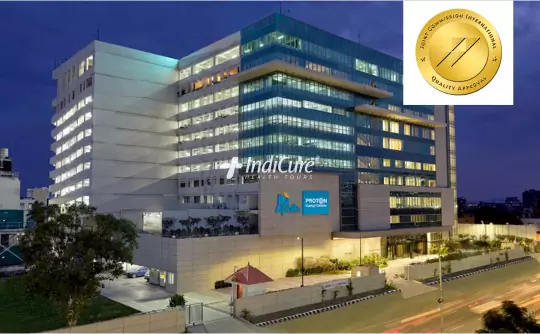
Apollo Proton Cancer Centre
Chennai
The Apollo Proton Cancer Centre (APCC) is South Asia's and the Middle East's first and only proton therapy centre, as well as India's first JCI-accredited cancer hospital. The APCC includes a completely integrated treatment suite that provides the most advanced surgical, radiation, and medical procedures available. The Centre brings together a remarkable team of clinicians renowned globally in cancer care, in keeping with the Apollo Pillars of Expertise and Excellence.
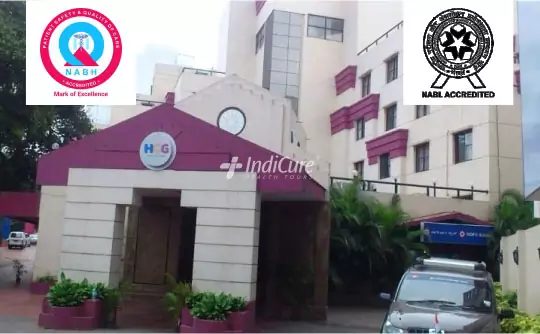
HCG Hospital
Bangalore
HCG- HealthCare Global Enterprises Ltd, is the specialized chain of hospitals in cancer care headquartered in Bangalore. Founded by Dr. Ajaikumar, a renowned medical and radiation oncologist with 40 years of experience, HCG has 26 centres across India with its largest facility in Bangalore.
HCG Hospital Bangalore is not only the most advanced facility for cancer care in India, it is a Centre of Excellence for most advanced cancer care and research.
Immunotherapy is a cancer treatment that relies on the patient's own immune system to combat the disease. Immunotherapy can help the immune system discover and fight cancer cells by boosting or changing how it works.
Immunotherapy works in the following ways:
Immunotherapy has been a significant aspect of the treatment of several cancers in recent decades. New immunotherapy treatments are being studied and authorized at a rapid rate, as are new techniques of dealing with the immune system.
Some forms of cancer respond better to immunotherapy than others. For some malignancies, it's used alone, but for others, it appears to function better when combined with other treatments.
There are a few different types of immunotherapy that can be used to treat cancer. Few of them are listed below:
Many factors will influence the type of medicine, dose, and treatment schedule. These factors can include the cancer's type, size, location, and extent of dissemination. Your age, overall health, body weight, and ability to deal with side effects are all factors to consider. Ask your doctor why he or she recommends a particular immunotherapy regimen.
Immunotherapy is a type of biologic therapy. Immunotherapy is approved to treat certain kinds of cancer, including melanoma, lymphoma, and lung cancer.
We at IndiCure completely understand your concerns and it is always our endeavor to provide the best outcome for every patient. Following is the list of questions you must ask before you embark on your journey for immunotherapy in India.
Prepare to answer questions about your:

Different forms of immunotherapy may be given in different ways. These include:
Immunotherapy medications are more effective in some cancers than others, and while they might be a lifesaver for some patients, they do not work for everyone.
Immunotherapy, unlike chemotherapy, does not always result in tumor shrinkage. Even when patients are in good spirits, tumors can bulge or grow in size when immune cells battle the cancer. Pseudoprogression is the term for this phenomenon. The word refers to a tumor that looks to be worsening yet is nevertheless providing benefit to patients.
To track your treatment response, you'll need to see your doctor frequently. Physical exams, blood tests, and imaging scans may be required on a regular basis.
Your immune system consists of organs, antibodies (proteins), and immune cells that work together to fight disease and infection. Immune cells include the following:
Immunotherapy treats different types of cancers , including but not limited to
Immunotherapy can be given on a daily, weekly, monthly, or cyclical basis. After cyclic immunotherapy, you must rest for a period of time. The break allows your body to regenerate healthy cells. The duration of treatment is determined by the following factors:
Immunotherapy side effects vary based on the type of medicine used and the type of cancer being treated. You might suffer from the following side effects:
Individual characteristics, such as the type of cancer and its stage influence the success rates of any cancer treatment, including immunotherapy.
Immunotherapy is generally successful against a wide range of cancers. While some malignancies are more immunogenic than others, immunotherapy is successful in the treatment of a wide range of cancers in general. Immunotherapy, unlike chemotherapy or radiation, can induce long-lasting responses, but only around a quarter of patients experience them.
According to certain studies, the immune system may recall cancer cells even after treatment has ended.
Cancer immunotherapy holds the promise of long-term cancer control.
Immunotherapy can help the immune system recall cancer cells by "training" it to do so. This "immune memory" could lead to longer-lasting and possibly permanent protection from cancer recurrence.
Long-term overall survival studies have revealed that the positive effects of cancer immunotherapy treatment can be long-lasting—that is, they can last even after treatment is finished.
Dr. William B. Coley (1862-1936), a cancer surgeon, pioneered cancer immunotherapy in the late 1890s. Infecting cancer patients with certain bacteria resulted in tumor reduction and even total remission in some cases, he discovered. Since Coley's time, advances in cancer immunology have revealed that his bacterial toxin therapy boosted patients' immune systems to attack tumors in those who responded to his treatment.
Despite the fact that Coley's theory was mostly ignored during his lifetime, his daughter, Helen Coley Nauts, unearthed his old notebooks and formed the Cancer Study Institute in 1953 to fund research into his theory. The FDA approved the first cancer immunotherapy in 1990, Bacillus Calmette-Guérin (BCG), a bacteria-based tuberculosis vaccine that was found to be helpful for individuals with bladder cancer.
Chemotherapy is a direct attack on cancer cells that divide quickly, but it can also harm other fast dividing cells, such as normal cells. When patients respond positively, the treatment's effects are felt right away. Chemotherapy's immediate effects, on the other hand, only endure as long as the treatment is continued.
Immunotherapy works by stimulating the immune system to produce a stronger response or by teaching the immune system to recognise and eliminate cancer cells. Immunotherapy may take longer to work, but once it does, the effects might last for a long period.
People with HIV who are getting efficient antiretroviral medication and whose immune systems are functioning normally may respond to cancer immunotherapy, making them eligible for immunotherapy as standard of care or as part of a clinical study.
Immunotherapy treatments may take longer than typical treatments to yield detectable signs of tumor reduction. On scans, tumors may appear to increase before shrinking, although this swelling could be the result of immune cells entering and combating the cancer. Many people who suffer pseudoprogression report feeling better in general.
Immune-related adverse effects may be associated with treatment efficacy in some cancer types—specifically, melanoma patients who develop vitiligo (blotched loss of skin color)—but for the vast majority of patients, no definite link between side effects and immunotherapy effectiveness has been identified.
Privacy Note: Your medical information is handled confidentially and is used only for patient support and treatment coordination.
Beyond treatment coordination, IndiCure also helps international patients experience a more comfortable and meaningful healthcare journey in India.

We assist patients in accessing wellness retreats focused on relaxation, restorative care, and recovery support.
Know More >>
IndiCure helps patients access Ayurveda programs through selected wellness centers and experienced practitioners.
Know More >>
From cultural experiences and historical destinations to local guidance during recovery, IndiCure helps international visitors experience India in a comfortable and supportive environment.
Know More >>We handle every detail of your trip so you can focus entirely on your health and recovery:
The content provided on this website is intended for general educational purposes only and does not constitute professional medical advice, diagnosis, or treatment. While we maintain a comprehensive editorial policy to ensure the accuracy and reliability of our information, this content should not be utilized as a substitute for professional clinical care.
Individual Results: All "before and after" photographs are illustrative examples of potential outcomes; actual surgical results vary significantly by individual.
Mandatory Consultation: We strongly advise a personal, in-person evaluation with a board-certified surgeon to assess your specific medical needs and realistic procedural goals.
Surgical Risk: It is vital to maintain realistic expectations and fully understand potential complications before electing for surgery.