TURP Cost in India
Written By:
Dr. Chhaya Rakh
Medically Reviewed By:
Dr. Ruchika Malhotra, BOT, OTR (USA), MSW
Last updated: March 26, 2026
Written By:
Dr. Chhaya Rakh
Medically Reviewed By:
Dr. Ruchika Malhotra, BOT, OTR (USA), MSW
Last updated: March 26, 2026
The TURP cost in India starts from USD 3,000 and varies depending on the medical condition and history (if any), the surgeon, the facility, and the city where you choose to get the surgery done.
The cost quoted above is indicative and should not be taken as the final cost of the surgery. The final cost can be ascertained after the surgeon has evaluated the patient. The cost in Indian Rupees can vary based on the exchange rate.
One of the key costs you will face when contemplating Transurethral resection of the prostate in India is the urologist's fee. IndiCure connects you with board-certified surgeons in India who are highly skilled and have delivered successful surgeries. While the urologist's fee can vary based on their experience, you can trust IndiCure Health Tours to recommend doctors who prioritize your safety and deliver excellent outcomes when you choose TURP in India.
Choosing an accredited medical facility with skilled and qualified medical staff is crucial for the success of TURP in India. In India, larger cities typically offer superior medical facilities and more experienced surgeons, resulting in comparatively higher costs than smaller cities. IndiCure Health Tours specifically recommends surgical facilities in larger cities of India to prioritize quality of care and ensure safety of our patient guests.
The surgery-related expenses include the pre- and post-surgical expenses. The pre-surgical expenses are associated with the age and medical condition of the patient and thus the number and type of investigations required. Post-surgical expenses may include prescription medications and follow-up consultations.
At IndiCure, we consolidate most of the expenses for your Transurethral resection of the prostate in India to provide you with an inclusive and cost-effective package tailored to your budget and individual requirements. After receiving medical reports, your case manager will provide an estimated cost based on a discussion with the surgeon.
The final TURP cost in India can however be confirmed after your face-to-face consultation with the surgeon.

We Help you Choose the Right Treatment, Surgeon & Hospital

We Arrange Video/Telephonic Consultation with the Surgeon

We Assist you with Visa & Accommodation

We Receive you at the Airport and Drop you at Hotel/Hospital

We Assist you the at Hospital & Provide Post Operative Support
IndiCure offers exclusive savings on your medical travel. We partner with hospitals to negotiate special rates, ensuring you get the best possible price on your healthcare when you travel with us.
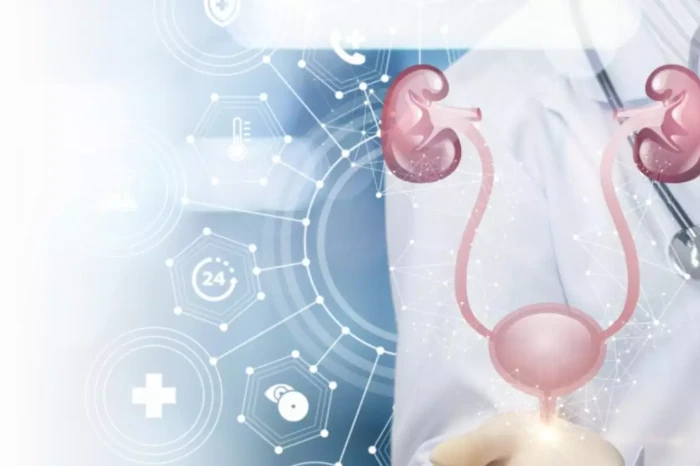
Here is a set of questions you should consider asking before commencing your journey for Transurethral resection of the prostate in India.
Prepare to answer questions about your:
Your medical information is handled confidentially and is used only for patient support and treatment coordination.
Benign Prostate Hyperplasia
One of the most common ailments that aging men face is prostate gland enlargement. BPH, or benign prostate hyperplasia, affects 50% of men over the age of 50, with roughly 1/3 of these men experiencing symptoms such as a sluggish, interrupted, or weak urine stream, frequent urination, especially at night, and urgency with leaking or dribbling.
The enlarged prostate gland presses against the urethra, obstructing or interfering with urine flow out of the body. Some of the symptoms of BPH are:
These symptoms can further lead to problems such as the formation of stones in the bladder or urinary infections.
With the time they reach 70-85 years of age, 90 percent of men are impacted by BPH. Fortunately, several surgical methods have been developed, with Transurethral Resection of Prostate being one of the most effective therapies.
Your doctor may suggest medication or other solutions if you experience symptoms of an enlarged prostate. If those therapies don't work, surgery may be suggested. The TURP operation may be required if the following conditions exist:
TURP involves the insertion of a resectoscope, a slender instrument measuring approximately 12 inches in length and half an inch in diameter, into the urethra to access the prostate gland.
The resectoscope has a light source, valves for fluid irrigation control, and an electrical loop for tissue cutting and cauterization. Once inserted into the penis, the surgeon maneuvers the wire loop to systematically remove obstructive tissue fragments.
Following the surgical procedure, the tissues that were sliced during the treatment are transported by fluid into the bladder and subsequently flushed out.
The recovery time after TURP surgery is short, however, the patient must stay in the hospital for a few days after the procedure. Following surgery, the patient is maintained under medical supervision and to drain urine, the patient is kept on the catheter for 2 to 3 days.
Analgesics and antibiotics may be needed to relieve pain and prevent infection. The patient is given enough liquids to drink for the bladder to be cleansed regularly. After TURP surgery, it can take up to a month to fully recover.
After surgery, the patient is advised to refrain from intense activity and carry heavy objects for at least one month. However, one week following surgery, the patient can resume normal activities. After 4 to 5 days, the patient is usually able to return home.
TURP is a procedure used to treat men who have moderate to severe urinary issues that have not responded to treatment. While TURP has long been thought to be the most successful treatment for an enlarged prostate, several of other, less invasive treatments are gaining popularity.
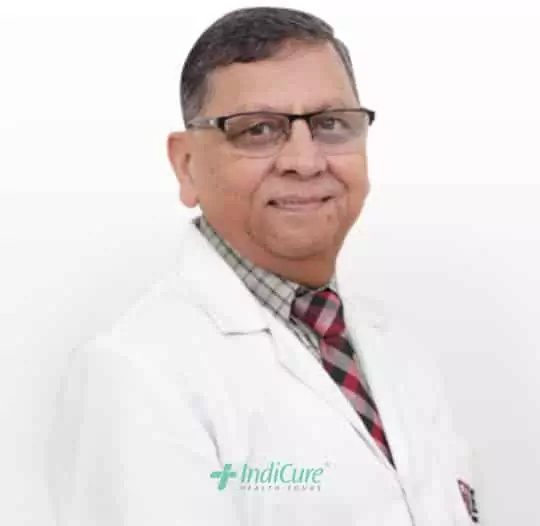
Dr. H S Bhatyal
MBBS, MS, MCh
40+ Years of Experience
Dr. H. S. Bhatyal is one of India's most known and skilled urological surgeons. He has more than 40 years of experience, with a focus on renal transplantation. He has received the Dr. CKP Menon Award and holds Limca Book of Records National Record Edition 2001 record holder.
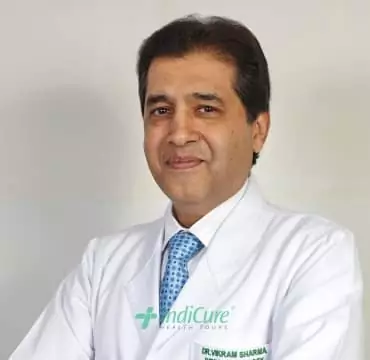
Dr. Vikram Sharma
MBBS, MS, Dipl (Urology)
30+ Years of Experience
With 30 years of clinical experience, Dr. Sharma is one of the most senior pioneers and inventors in the field of Indian Urology. He is the Director of Urology, Andrology, Robotics, and Kidney Transplant Surgery at Fortis Memorial Research Institute in Gurgaon, and is a nationally and internationally recognised expert.
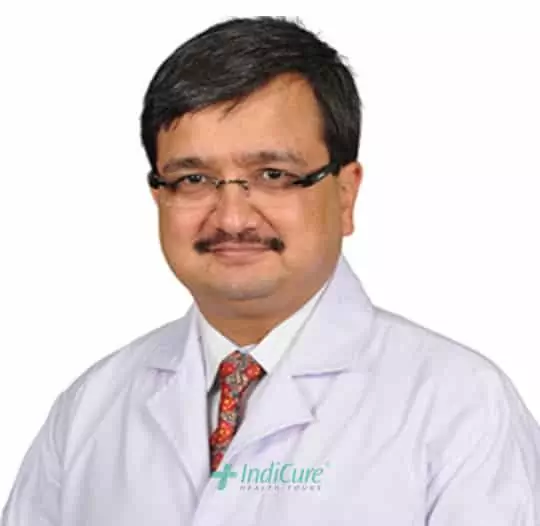
Dr. Pankaj Maheshwari
MBBS, MS, M.Ch
23+ Years of Experience
One of the most famous names in Urology in India, Dr Maheshwari received a Traveling Fellowship from the Societe Internationale d'Urologie in 1999-2000, which he used to train in Holmium laser urology in New Zealand and New York. In India, he was a pioneer in the use of the Holmium laser in urology.
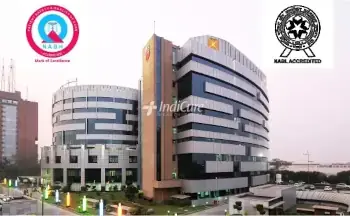
BLK Hospital
New Delhi
BL Kapur Memorial Hospital is one of the biggest standalone private hospitals in Delhi, NCR. Established by late Dr. B L Kapur, an eminent Obstetrician, and Gynecologist on invitation by then Prime Minister of India, Mr. Jawahar Lal Nehru. The institute went on to become one of Delhi's premier multi-specialty hospitals.
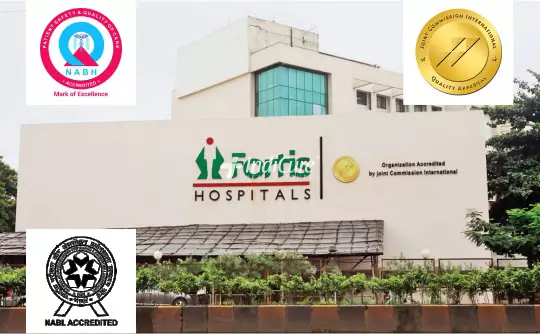
Fortis Hospital
Mumbai
Fortis Hospital, Mulund is a 300 bedded multispeciality tertiary care facility situated in the centre of the city, offering a range of clinical, diagnostic, and surgical services. The hospital began operations in 2002 and since then has achieved various milestones.
One of the safest treatments for treating BPH is TURP surgery. The following are some of the risks linked with TURP surgery:
Bleeding: In the case of a greatly enlarged prostate gland, there may be a lot of bleeding during surgery.
TURP syndrome: occurs when the body absorbs the excess liquid used to irrigate the bladder during surgery.
Erectile dysfunction: In a small number of cases, surgery might disrupt the nerves that trigger erections. For a few days, this may make erection difficult.
Retrograde ejaculation: 75 to 80 percent of patients do not generate semen for an extended period of time, affecting fertility.
Prostate re-enlargement: The prostate may continue to grow following surgery and treatment in some circumstances. The patient may require a repeat procedure in this scenario.
Deep vein thrombosis (DVT): is a condition in which a blood clot forms in an artery or vein, most commonly in the legs.
Incontinence: is when a patient loses control of their voiding, which can be temporary or chronic. Incontinence is experienced by only 1% of patients.
Urethral stricture: Injury to the urethra after surgery might result in urethral stricture due to delayed scar development.
In terms of hospital stay or complications, there is no difference between the two surgeries. Men in the TURP group, on the other hand, had a quicker urinary flow rate (they could pass higher volumes of urine more quickly). TURP is also marginally less expensive and takes slightly less time to complete than the laser operation.
When there are no other medical problems, the entire TURP surgery takes roughly 60 to 90 minutes.
The hospital stay after TURP usually lasts one to three days. In the case of laser surgery, the patient may be able to return home the same day.
Yes. To eliminate urine, a catheter is frequently implanted for a day or two after surgery. You will be able to pass urine and return home when the catheter is withdrawn. For a few days after catheter removal, people usually have discomfort while urinating or difficulties controlling their bladder.
Before you leave the hospital, your urologist will give you specific instructions on how to care for yourself and recover at home. Following surgery, it is essential to relax as much as possible for a few weeks. Here are some ideas to make your recuperation go more smoothly:
Do not engage in intense activities or lift heavy weights until the doctor has given you permission, which is usually 4 to 6 weeks. Once you start to feel better, you can do gentle or low-impact workouts.
To help cleanse out the bladder, drink plenty of water - at least 8 cups per day. To avoid constipation and straining during bowel movements, eat fiber-rich foods.
Before resuming any blood-thinning medications, wait a while - usually until your doctor allows it. Until your doctor says otherwise, avoid driving and sexual activity.
This is mostly determined by the nature of your occupation. People who work in an office (desk job) are more likely to be able to return to work sooner than those who do severe manual labor. After surgery, it is normally recommended that you take 3 to 4 weeks off work.
Based on your rehabilitation, the doctor will recommend the best time to start driving. After a week, some people may be able to drive again.
After a TURP treatment, it is normally advised to avoid intercourse for 3 to 4 weeks.
Apart from the procedure cost of TURP in India, there are additional expenses to consider when planning your medical trip. This includes budgeting for airfare costs, local transportation in India such as taxi fares or rental car costs and hotel accommodation costs during your recovery period are crucial to consider.
By carefully considering these additional expenses alongside procedure cost of TURP in India, you can better plan and budget for your medical trip to India, ensuring a smooth and comfortable experience during your recovery process.
Beyond treatment coordination, IndiCure also helps international patients experience a more comfortable and meaningful healthcare journey in India.

We assist patients in accessing wellness retreats focused on relaxation, restorative care, and recovery support.
Know More >>
IndiCure helps patients access Ayurveda programs through selected wellness centers and experienced practitioners.
Know More >>
From cultural experiences and historical destinations to local guidance during recovery, IndiCure helps international visitors experience India in a comfortable and supportive environment.
Know More >>With over 15 years of experience, IndiCure supports international patients by coordinating both the clinical and travel aspects of treatment in India. We work with a network of board-certified surgeons and JCI- and NABH-accredited hospitals that follow established safety and clinical protocols.
Our team manages each stage of the journey, including medical evaluations, visa assistance, travel planning, and accommodation arrangements—providing a structured and transparent process from initial consultation through follow-up care.
The content provided on this website is intended for general educational purposes only and does not constitute professional medical advice, diagnosis, or treatment. While we maintain a comprehensive editorial policy to ensure the accuracy and reliability of our information, this content should not be utilized as a substitute for professional clinical care.
Individual Results: All "before and after" photographs are illustrative examples of potential outcomes; actual surgical results vary significantly by individual.
Mandatory Consultation: We strongly advise a personal, in-person evaluation with a board-certified surgeon to assess your specific medical needs and realistic procedural goals.
Surgical Risk: It is vital to maintain realistic expectations and fully understand potential complications before electing for surgery.