
+91-932-003-6777 info@indicure.com
Main image for IndiCure's curated list of best kidney transplant hospitals in India

Premier JCI/NABH Kidney Transplant Hospitals in India

Curated By: Dr. Chhaya Rakh
Medically Reviewed By: Dr. Ruchika Malhotra, BOT, OTR (USA), MSW

Last updated: July 21, 2026

Why the Right Transplant Hospital in India Matters

Kidney transplantation requires seasoned surgical expertise, advanced immunology support, and meticulous long-term monitoring. Choosing the right hospital in India is critical to ensure patient safety and maximizing long-term graft survival.

IndiCure simplifies this crucial decision. Our Quality Team independently vets every facility using a strict 10-Point Hospital Selection Criteria—assessing surgical success rates, international patient care, and strict JCI/NABH standards before recommending them.

Explore our curated panel of premier Indian kidney transplant hospitals below:
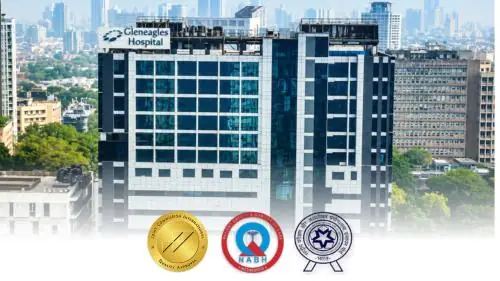
Gleneagles Hospital, Mumbai

Gleneagles Hospital, Mumbai

Mumbai

Established In: 2008

Beds: 450

Speciality: Quaternary care multi-specialty

Accreditation: JCI, NABH, NABL
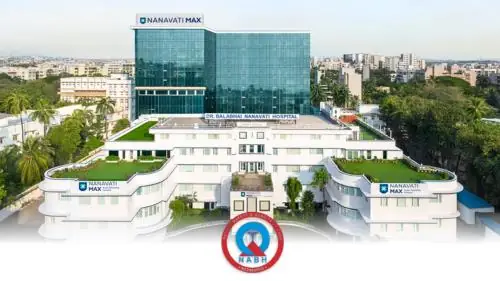
  • Clinical Milestones: Recognized for establishing Mumbai's first domino kidney transplant chain and India's first pediatric combined liver-kidney transplant.
  • Immunological Overrides: Highly experienced in executing complex biological overrides, specifically ABO-incompatible (cross-blood group) protocols and paired exchange (Swap) pathways.
  • Medical Leadership: The clinical team is led by senior specialists, including Dr. Bharat Shah, a prominent transplant nephrologist in the region.
  • Infrastructure: Features dedicated transplant operating theaters, specialized intensive care units (ICUs), and an integrated team of urologists and nephrologists managing all phases of pre- and post-operative care.

Nanavati Max Super Speciality Hospital, Mumbai

Nanavati Max Super Speciality Hospital, Mumbai

Mumbai

Established In: 1950

Beds: 350

Speciality: Multi-specialty Quaternary care

Accreditation: NABH, NABH-MIS (For Imaging & Radiology Excellence)
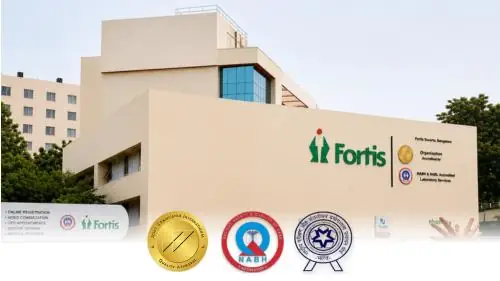
  • Desensitization Protocols: Specializes in desensitization protocols for patients with mismatched blood groups or highly sensitive tissue profiles, allowing them to bypass long-term dialysis.
  • Exchange Registries: Utilizes local, multi-hospital (Domino), and international paired-exchange networks to resolve donor-recipient incompatibility.
  • Dual-Organ Capabilities: Equipped to perform simultaneous pancreas-kidney transplants for patients with concurrent Type-1 diabetes and end-stage renal disease (ESRD).
  • Specialized Units: Houses a dedicated Renal Sciences Institute featuring robotic surgical systems, specialized immunopathology labs, and dedicated critical care support.
  • Logistical Coordination: Offers full-spectrum medical coordination utilizing nationwide donor registries to streamline matching processes.

Fortis Hospital, Mulund, Mumbai

Fortis Hospital, Mulund, Mumbai

Mulund, (Mumbai)

Established In: 2004

Beds: 400+

Speciality: Multi-Specialty Tertiary and Quaternary Care Hospital

Accreditation: JCI, NABH, NABL

  • Program Scale: Serves as Maharashtra's largest multi-organ transplant facility, sharing clinical infrastructure across advanced heart, liver, bone marrow, and renal programs.
  • High-Risk Transplants: Utilizes advanced antibody-clearance protocols to safely manage ABO-incompatible and positive-crossmatch cases.
  • Alternative Matching: Facilitates paired-kidney exchange registries and maintains an active cadaveric (deceased donor) transplant program.
  • Simultaneous Procedures: Performs complex, multi-organ surgeries, such as combined liver-kidney transplants, for metabolic disorders like Primary Hyperoxaluria.
  • Continuum of Care: Integrates all steps from donor screening to recipient recovery within a single facility backed by quaternary-care ICUs.

Artemis Hospital, Delhi NCR

Artemis Hospital, Delhi NCR

Gurugram (Delhi-NCR)

Established In: 2007

Beds: 865

Speciality: Multi-specialty Quaternary Care Hospital

Accreditation: JCI, NABH, NABL, Green OT, Pharmacie De Qualité
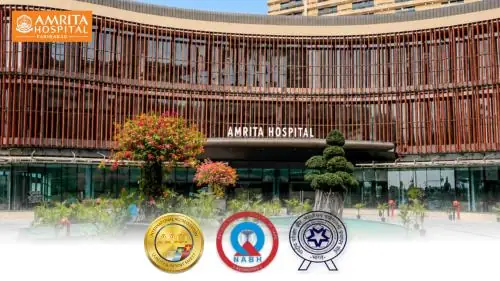
  • Mismatched Blood Groups: Experts in advanced desensitization protocols to safely clear high antibody levels, enabling successful living-donor transplants across incompatible blood groups.
  • Combined Organ Surgeries: Executes highly complex, simultaneous multi-organ procedures, such as synchronized combined kidney-and-liver transplants for international patients with dual-organ failure.
  • Specialized Infrastructure: Features an integrated Nephrology-Urology care model, specialized in-house immunology labs for tissue matching, and precision robotic-assisted donor surgeries for faster recovery.
  • All-in-One Patient Care: Provides a complete pathway from JCI-accredited pre-op screening to structured long-term graft monitoring, with dedicated global support teams for international patients.

Amrita Hospital, Faridabad

Amrita Hospital, Faridabad

Faridabad, (Delhi NCR)

Established In: 2022

Beds: 2,600

Speciality: Multi-specialty Quaternary Care Hospital

Accreditation: AACI, NABH, NABL
  • Dedicated Centre: Features a standalone Renal Sciences Centre operating independent transplant surgical suites, dedicated ICU beds, plasmapheresis, and immunoadsorption units.
  • High-Risk Patient Pools: Provides advanced antibody removal therapies to successfully manage ABO-incompatible, positive crossmatch, and pediatric transplant cases.
  • Swap Management: Runs an active paired-exchange (swap) registry tailored for highly sensitized patients who face prolonged wait times.
  • Multidisciplinary Surgeries: Leverages cross-departmental surgical expertise to execute complex simultaneous liver-kidney transplants.
  • Academic-Grade Monitoring: Combines minimally invasive laparoscopic donor surgeries with strict, protocol-driven long-term graft surveillance.

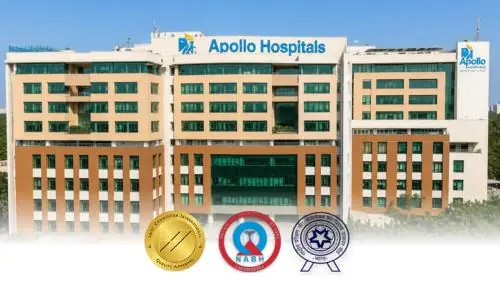
Apollo Hospitals, Navi Mumbai

Apollo Hospitals, Navi Mumbai

Navi Mumbai

Established In: 2016

Beds: 500

Speciality: Multi-specialty Quaternary Care

Accreditation: JCI, NABH, NABL

  • Specialized Infrastructure: Operates a JCI-accredited, 500-bed facility equipped with dedicated transplant units, advanced ICUs, and precision robotic-assisted surgery for faster donor and recipient recovery.
  • Mismatched Blood Groups: Utilizes advanced desensitization protocols to achieve high success rates in complex ABO-incompatible and repeat kidney transplants, providing viable options for high-risk patients.
  • Regional Networks: Acts as a major hub for paired exchange (swap) and deceased donor (cadaveric) programs in Western India, creating vital matching opportunities for patients lacking compatible living donors.
  • Combined Organ Surgeries: Integrates specialized surgical capabilities to handle multifaceted, complex cases, drawing on extensive collective expertise from the wider national Apollo transplant network.
  • Infection Control: Provides a standardized donor-to-recipient pathway managed by a multidisciplinary team with strict post-operative infection-prevention protocols.

Medanta - The Medicity, Delhi NCR

Medanta - The Medicity, Delhi NCR

Gurugram, Delhi NCR

Established In: 2009

Beds: 1,440

Speciality: Multi-specialty Quaternary Care

Accreditation: JCI, NABH, NABL

  • Surgical Innovation: Pioneered the world's first robotic kidney transplant with regional hypothermia, offering advanced, minimally invasive recipient surgeries that significantly lower wound-related complications.
  • All-in-One Patient Care: Provides a seamless, end-to-end pathway under a single multidisciplinary Renal Sciences program, combining surgeons, immunologists, and coordinators for comprehensive lifelong monitoring.
  • Immunological Barriers: Highly experienced in executing HLA-incompatible, ABO-incompatible, and highly sensitized repeat transplantations.
  • High-Volume Exchange: Manages a high-volume kidney swap (paired exchange) program, transforming incompatible donor-recipient pairings into successful transplant opportunities to avoid long-term dialysis.
  • Pediatric Care: Offers dedicated pediatric kidney transplantation programs tailored for children with complex structural or genetic renal failure.

Kokilaben Dhirubhai Ambani Hospital (KDAH), Mumbai

Kokilaben Dhirubhai Ambani Hospital (KDAH), Mumbai

Mumbai

Established In: 2009

Beds: 750

Speciality: Multi-Superspeciality

Accreditation: JCI, NABH, NABL, CAP
  • Robotic Infrastructure: Features an integrated Centre for Transplant with advanced robotic transplantation capabilities, minimally invasive donor surgeries, and one of Mumbai's largest dedicated dialysis units.
  • Multi-Organ Ecosystem: Leverages medical insights and shared infrastructure from its active heart, lung, and liver transplant programs to manage multi-system surgical risks.
  • Waitlist Management: Implements precise ABO-incompatible protocols, allowing patients with blood-group mismatches to safely bypass the deceased-donor waitlist.
  • Registry Integration: Coordinates paired kidney exchange (swap) programs and integrates a large-scale cadaveric (deceased donor) network to maximize transplant opportunities for complex cases.
  • Intensive Post-Op Monitoring: Provides 24/7 care via dedicated transplant intensivist teams, focusing on personalized immunosuppression adjustments.

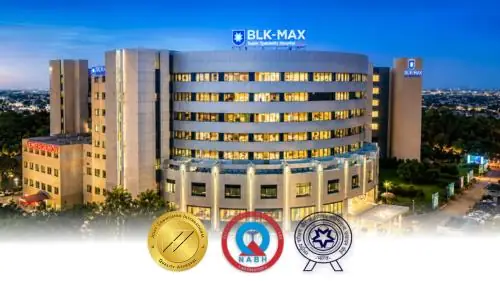
BLK-Max Super Speciality Hospital, New Delhi

BLK-Max Super Speciality Hospital, New Delhi

Delhi

Established In: 1959

Beds: 650

Speciality: Multi-Specialty Tertiary and Quaternary Care Hospital

Accreditation: JCI, NABH, NABL

  • High-Volume Outcomes: Serves as a primary North Indian transplant hub, specializing in complex repeat operations for patients experiencing sequential organ failure.
  • Viral-Risk Transplants: Implements sophisticated antibody-clearing protocols to successfully manage blood-type incompatible surgeries, high-antibody recipients, and transplants for viral-risk (HIV-positive) individuals.
  • Overlapping Conditions: Coordinates specialized surgical teams to manage patients presenting with severe, overlapping medical co-morbidities.
  • Specialized Infrastructure: Operates a standalone Renal Sciences Center backed by an expansive 160-bed critical care wing, advanced tissue-typing labs, and precision robotic-assisted options for donors.
  • Medical Travel Optimization: Offers an end-to-end pathway—from pre-operative compatibility screening to long-term monitoring—optimized for international medical travelers.

Watch Our Patients Talk

thomas-medical-treatment

Thomas Young, uninsured and facing astronomical US medical bills, chose IndiCure for surgery in India, where he received same-day, world-class care for just one-fifth of the price back home.

an-americans-medical-tourism-india-reviews

Traveling solo from the US, Miriam Mills chose IndiCure Health Tours for affordable surgery in Mumbai. Beyond world-class medical care, she experienced seamless travel, excellent hotels, and unforgettable local culture.

a-kiwi-couples-medical-tourism-success-stories-in-india

Tawhiti and Dana Kunaiti beat rising New Zealand healthcare costs by traveling to India with IndiCure, where they underwent successful bariatric, plastic, dental, and eye procedures backed by exceptional, compassionate care.

Frequently Asked Questions

The average cost of a living donor kidney transplant in India typically ranges between $12,000 to $18,000 USD. This comprehensive package generally encompasses pre-operative clinical evaluations, transplant surgeon fees, simultaneous operating room charges for both the donor and recipient, a 10-to-14-day hospital stay, and the initial month of post-transplant immunosuppressant medications. Choosing a premier JCI/NABH accredited hospital in India represents equivalent quality and financial savings of over 80% compared to Western nations.

Please note that these figures serve as general informational estimates and do not constitute a quote or medical advice. Final treatment costs vary based on the specific hospital, city, surgical technique, and individual medical complexities or complications encountered during recovery.

No. Under the strict legal framework of India's Transplantation of Human Organs and Tissues Act (THOTA), international patients are strictly prohibited from receiving organs from either deceased Indian donors (cadavers) or unrelated local living donors. To undergo a kidney transplant in India, foreign recipients are legally required to bring a compatible, medically approved living donor from their own home country. All documentation must be thoroughly verified by the government-appointed Authorization Committee and the patient's respective embassy.

Under India's statutory Transplantation of Human Organs and Tissues Act (THOTA) guidelines, an eligible living donor must be a legally recognized "near relative" who is at least 18 years of age.

The legal categories for potential donors are strictly structured:

  • Primary Near Relatives: Legally approved immediate family members include parents, siblings, children, spouses, grandparents, and grandchildren.
  • Extended Family Members: Relatives such as aunts, uncles, or cousins face exhaustive legal and genetic scrutiny.

To gain medical and legal clearance, families must present explicit, verifiable documentation proving a long-standing, altruistic relationship to rigorously rule out any form of commercial organ trade.

India's statutory medical boards mandate a rigorous legal review process to eliminate unethical practices. International families must prepare a verified file containing:

  • Passports & Medical Visas (M-Visa): Required for the patient, donor, and all travel companions.
  • Certified Civil Records: Legally stamped birth certificates, marriage certificates, or DNA verification proving an eligible family relationship.
  • Embassy NOC: An official No Objection Certificate drafted by your home nation's embassy in India.
  • Validated Medical Reports: Certified clinical printouts establishing compatible blood groups and tissue typing.

Medical data confirms that India's premier accredited hospitals achieve exceptional short- and long-term outcomes, closely mirroring Western success benchmarks.

  • Initial Success (1 Year): A 95% to 98% graft survival rate, ensuring optimal organ function right after surgery.
  • Long-Term Success (5 Years): An 88% to 92% long-term survival rate, allowing patients to live active lives free from dialysis.

This level of medical precision is achieved through meticulous high-resolution HLA tissue cross-matching and advanced, modern post-operative infection management.

To learn more about clinical survival data and institutional success variables, you can read the comprehensive NU Hospitals Transplant Excellence Guide or review peer-reviewed data on the NCBI / NIH Repository.

Yes. Premier kidney transplant hospitals that IndiCure partners routinely perform successful surgeries using ABO-Incompatible (ABOi) protocols. Utilizing advanced desensitization therapies, specialized plasma filtering (plasmapheresis), and immunoadsorption techniques, clinical teams can safely clear the recipient's blood of specific anti-donor antibodies. This medical intervention effectively prevents acute organ rejection, allowing for a highly successful transplant from a blood-mismatched donor.

If you travel with a willing, medically healthy living donor who happens to be immunologically incompatible due to a blood group mismatch or HLA conflict, you may participate in a Paired Kidney Exchange (Swap). Under this framework, your donor donates their kidney to a compatible recipient from another family. In return, that family's compatible donor gives a kidney to you.

To comply strictly with India's THOTA regulations, both operations are performed simultaneously across two operating theaters to ensure medical fairness and guarantee that neither party backs out. Per international patient rules, your original donor must still be a legally recognized relative from your home country, and the entire swap matrix must be independently audited and approved by the government's Authorization Committee.

Plan for a total travel window of 6 to 8 weeks. While the donor can often safely return home within a few weeks, the recipient requires extensive local outpatient supervision before flying. The plan can be broken down as:

  • Vetting Phase (1-2 Weeks): Advanced clinical evaluations paired with statutory interviews by the State Authorization Committee.
  • Hospital Phase (7-14 Days): Simultaneous surgeries. Laparoscopic donor recovery allows discharge in 3-5 days; the recipient is closely monitored inside the transplant ward for up to 2 weeks.
  • Donor Travel Window: Donors are generally cleared for international travel 7 to 10 days post-surgery.
  • Recipient Monitoring Phase (3-5 Weeks): Routine outpatient visits twice a week to verify organ function prior to getting "Fit-to-Fly" clearance.

Note: This timeline serves as a general informational benchmark and does not replace specific medical advice. Personal itineraries are dictated solely by individual surgical recovery and the treating physician's final clearance.

Protecting your new kidney requires lifelong immunosuppressant medication. The ongoing financial commitment generally follows this timeline:

  • Months 1-12 (High Dosage Phase): Roughly $150 to $200 USD/month due to the intensive post-surgical protocols required to protect the graft.
  • Year 2 and Beyond (Maintenance Phase): Costs stabilize and decrease to an average of $70 to $100 USD/month as maintenance levels level out.

Note: This breakdown is for informational guidance only and does not substitute for personalized medical financial planning. Your final monthly prescription costs depend entirely on your customized clinical treatment plan.

Absolutely not. Indian immigration laws strictly mandate a Medical Visa (M-Visa) for all surgical procedures. Tourist visas are not legally accepted by hospital transplant boards.

How IndiCure assists you:

  • Online Review: We perform a preliminary medical assessment of your case files online.
  • Detail Submission: You share the essential travel and passport details of your team (patient, donor, and caregivers).
  • Visa Desk Support: Our internal Visa Desk coordinates the required institutional paperwork to help you smoothly obtain the correct M-Visa and Medical Attendant Visas from your local Indian Embassy.

Medical Disclaimer

The information on this page, including hospital profiles, transplant technologies, and treatment approaches, is provided for educational and care-planning purposes only. IndiCure is a medical travel facilitator and does not provide medical advice, diagnosis, or treatment. All transplant decisions and patient suitability are determined solely by qualified transplant specialists at the respective licensed hospitals.

Note: Hospital details, accreditations, and services are reviewed annually by the IndiCure Quality Team and verified via official sources. Information is current as of the page's last updated date; users must independently verify the current status.

Sources:

  1. JCI
  2. NABH
  3. NABL
  4. Gleneagles Hospital
  5. Gleneagles: Dr. Bharat Shah profile
  6. Nanavati Max
  7. Fortis Hospital, Mulund
  8. Artemis Hospitals
  9. Amrita Hospital
  10. Apollo Hospital
  11. Medanta Medicity
  12. KDAH
  13. MAX Hospital
  14. BLK Max
Let Us Get in Touch...

How We Support Your Treatment Journey

We handle every detail of your trip so you can focus entirely on your health and recovery:

Patient Success Stories

Why international patients choose IndiCure for surgical care in India

Medical Information Disclaimer and Patient Advisory

The content provided on this website is intended for general educational purposes only and does not constitute professional medical advice, diagnosis, or treatment. While we maintain a comprehensive editorial policy to ensure the accuracy and reliability of our information, this content should not be utilized as a substitute for professional clinical care.

Individual Results: All "before and after" photographs are illustrative examples of potential outcomes; actual surgical results vary significantly by individual.

Mandatory Consultation: We strongly advise a personal, in-person evaluation with a board-certified surgeon to assess your specific medical needs and realistic procedural goals.

Surgical Risk: It is vital to maintain realistic expectations and fully understand potential complications before electing for surgery.