Curated By:
Dr. Chhaya Rakh
Medically Reviewed By:
Dr. Harish Pamnani, MBBS, DCH
Last updated: Nov 06, 2026
Choosing a heart surgeon abroad is not a decision to rush, and the best cardiac surgeon in India for you depends on your diagnosis and the procedure you need. The surgeons below hold specialist qualifications in cardiothoracic and vascular surgery (MCh or DNB, or equivalent international board certification) and treat coronary artery disease, valve disease, aortic disease and heart failure, including transplantation.
Each has been assessed against our 15-Point Surgeon Selection Criteria, with links to official profiles so you can verify their credentials. We don't charge patients for recommendations, and no doctor or hospital is featured in exchange for a financial arrangement.
Looking for heart surgery for a child? See our top pediatric heart surgeons in India page.
The specialists below are listed in no particular order. This list is not a ranking.
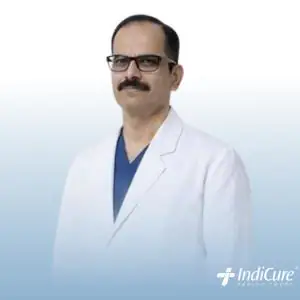
New Delhi
Experience: 38+ years
Hospital: Fortis Escorts Heart Institute (FEHI)
Speciality: Adult Cardiac Surgery, Heart Transplantation, Ventricular Assist Devices (LVAD)
Qualification: MBBS, MS (General Surgery), MCh (Cardiothoracic Surgery)

Gurugram
Experience: 48+ years
Hospital: Medanta - The Medicity
Speciality: Cardiovascular & Cardiothoracic Surgery, Minimally Invasive Cardiac Surgery
Qualification: MBBS; Diplomate, American Board of Surgery; Diplomate, American Board of Thoracic Surgery
Fellowships and Training: Trained and practised at New York University Medical Center, Manhattan (1971-1988), under Dr. Frank Spencer

Mumbai
Experience: 15+ years
Hospital: Kokilaben Dhirubhai Ambani Hospital
Speciality: Cardiothoracic & Vascular Surgery, Minimally Invasive Cardiac Surgery
Qualification: MBBS (Gold Medalist), MS (Surgery), MCh (CTVS) — DNB Gold Medalist
Fellowships and Training: Clinical Fellowship in Minimally Invasive Cardiac Surgery, University of Ottawa Heart Institute, Canada (under Prof. Marc Ruel)

New Delhi
Experience: 32+ years
Hospital: BLK-Max Super Speciality Hospital
Speciality: Cardiothoracic & Vascular Surgery (CTVS), Robotic Cardiac Surgery
Qualification: MBBS, MS (General Surgery), MCh (CTVS)
Fellowships and Training: Cardiac Surgery Fellowship, Brigham & Women's Hospital and Boston Children's Hospital, Harvard Medical School
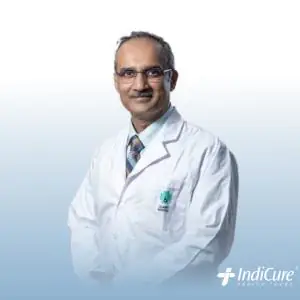
Mumbai
Experience: 18+ years in CTVS surgery
Hospital: Fortis Hospital
Speciality: Cardiovascular & Thoracic Surgery, Heart & Lung Transplant
Qualification: MBBS, MS (General Surgery), MCh (Cardiothoracic Surgery)
Fellowships and Training: Clinical Fellowships in Cardiovascular Surgery (Mayo Clinic, Rochester) and Advanced Aortic/Thoracic Surgery and Heart & Lung Transplant (Cleveland Clinic Foundation)

Mumbai
Experience: 28+ years in CTVS surgery
Hospital: Gleneagles Hospital
Speciality: Cardiovascular, Thoracic & Transplant Surgery
Qualification: MBBS, MS, MCh (Cardiovascular & Thoracic Surgery)
Fellowships and Training: Fellowship in Complex Coronaries, Aortic Aneurysms, MICS, Robotic Cardiac Surgery, ECMO and Transplants — Apollo Hospitals, Chennai (under Padma Bhushan Dr. M.R. Girinath)
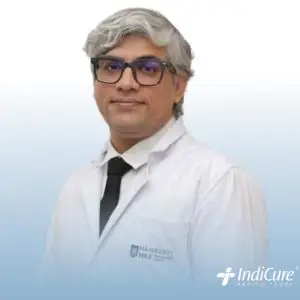
Mumbai
Experience: 14+ years in CTVS surgery
Hospital: Wockhardt Hospital
Speciality: Cardiothoracic Surgery, Minimally Invasive Cardiac Surgery
Qualification: MBBS, DNB (Cardiothoracic Surgery)
Fellowships and Training: Clinical Fellowship (International Training Fellow), Cardiothoracic Surgery, The James Cook University Hospital, South Tees Hospitals NHS Foundation Trust, UK - selected by the Royal College of Surgeons, Edinburgh (2019-2021)
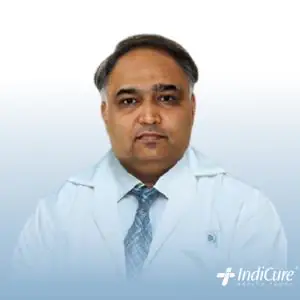
Navi Mumbai
Experience: 25+ years in CTVS surgery
Hospital: Apollo Hospital
Speciality: Cardiothoracic & Vascular Surgery, Heart & Lung Transplant
Qualification: MBBS, MS (General Surgery), MCh, DNB (CVTS), FIACS
Fellowship: Adult & Paediatric Cardiac Surgery Fellowship, Sydney, Australia; Heart-Lung Transplant Fellowship, St. Vincent's Hospital, Australia

Mumbai
Experience: 28+ years in CTVS surgery
Hospital: Nanavati Max Super Speciality Hospital
Speciality: Cardiothoracic & Vascular Surgery, Heart & Lung Transplant
Qualification: MBBS, MS (General Surgery), MCh (Cardio-Thoracic Surgery), DNB (General Surgery); MRCS, Royal College of Surgeons of Edinburgh
Fellowship: Fellow, Cardio-Thoracic Surgery, Greenlane Hospital, New Zealand; Fellowship at Royal Prince Alfred Hospital, Sydney, Australia

Noida- Delhi (NCR)
Experience: 38+ years in CTVS surgery
Hospital: Fortis Hospital
Speciality: Adult & Paediatric Cardiothoracic Surgery, Heart Transplant, Structural Heart Disease Surgery
Qualification: MBBS, MS (General Surgery), MCh (Cardiothoracic Surgery)
Fellowship: Fellowship in Heart & Lung Transplant, Hannover Medical School, Germany; Fellowship in Minimally Invasive Cardiac Surgery, Leipzig Heart Centre, Germany
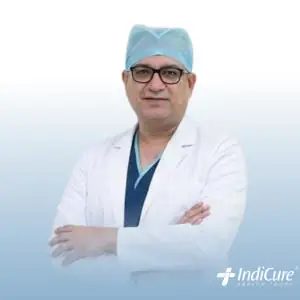
New Delhi
Experience: 30+ years in CTVS surgery
Hospital: Max Super Speciality Hospital, Saket
Speciality: Cardiac Surgery (CTVS), Robotic Cardiac Surgery, Minimally Invasive Cardiac Surgery
Qualification: MBBS, MS (General Surgery), MCh (CTVS)
Fellowships and Training: Fellowship in Cardiac Surgery, Uppsala University Hospital, Sweden
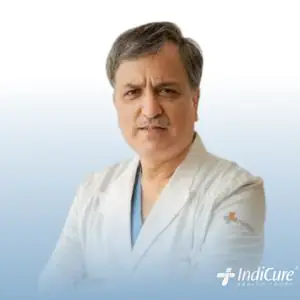
Gurugram
Experience: 40+ years in CTVS surgery
Hospital: Medanta - The Medicity
Speciality: Cardiac Surgery, Aortic Surgery, Paediatric Cardiac Surgery
Qualification: MBBS, MS (General Surgery), MCh (CTVS)
Fellowships and Training: WHO Fellow, Boston Children's Hospital and Brigham and Women's Hospital, Boston, USA; Visiting Fellow, Aortic Surgery, Baylor College of Medicine, USA; Visiting Fellow, Heart Transplant and Mechanical Circulatory Support, University of Chicago, USA

Hyderabad
Experience: 22+ years in CTVS surgery
Hospital: KIMS Hospital
Speciality: Heart & Lung Transplantation, Mechanical Circulatory Support (LVAD)
Qualification: MBBS, MS (General Surgery), MCh (Cardiovascular Surgery)
Heart surgery in India is performed at NABH/JCI accredited cardiac hospitals by surgeons with extensive experience, and many have trained at leading centers abroad. Like any heart operation, it carries real risks, including bleeding, infection, irregular heart rhythm, stroke, kidney problems and, in rare cases, death. Your risk depends on your age, overall health, the condition being treated and the type of surgery. Before you decide, the surgical team should review your angiogram, echocardiogram and other reports and explain the benefits, risks and alternatives that apply to you.
| Procedure | Starting price (US$) |
|---|---|
| Angioplasty with stent | 3,500 |
| Coronary artery bypass surgery (CABG) | 4,000 |
| Heart valve replacement | 5,000 (excluding the cost of valve) |
| Pacemaker implantation | 4,000 |
| Robotic heart surgery | 7,500 |
| Heart transplant | 30,000 |
| LVAD (left ventricular assist device) implantation | 90,000 |
Prices as of October 2026. Starting prices only, not final bills.
Heart surgery in India generally costs considerably less than in the US, UK, Australia or the Gulf, but the final cost depends on several factors: the procedure and surgical approach (open, minimally invasive or robotic), the number of blockages or valves treated, the type of valve, stent or device used, the hospital and room category, how long you stay in intensive care and hospital, and your recovery.
A package usually covers the surgeon's and anesthetist's fees, operating theater charges, a standard ICU and hospital stay, routine medicines and tests. It doesn't cover flights, accommodation after discharge, extra tests, or a longer stay if complications arise. For heart transplants, the price doesn't include the waiting period, which can be long and unpredictable for international patients.
The most reliable figure is the one for your own case. Send us your angiogram, echocardiogram, and other reports, and IndiCure will arrange a written, itemized estimate from the hospital before you travel.
Angioplasty is a non-surgical procedure where a catheter is used to open a blocked artery, often with a stent placed to keep it open — typically done by a cardiologist, not a surgeon. Coronary artery bypass grafting (CABG) is open-heart surgery that reroutes blood flow around a blocked artery using a graft, usually reserved for more extensive or complex blockages. Valve repair or replacement addresses a damaged heart valve rather than blocked arteries, and can often be done using minimally invasive or robotic techniques depending on the valve and the extent of damage. Which approach is appropriate depends on the specific diagnosis and is decided by the cardiology and surgical team together.
Yes. IndiCure works closely with the specialists listed here to arrange video or telephone consultations before you travel, so your angiography, echocardiogram, and other cardiac reports can be reviewed and a preliminary surgical plan discussed in advance. The goal is to arrive with a clear plan already in place rather than starting the diagnostic process from scratch on arrival.
Once your existing cardiac reports are reviewed and any additional pre-operative tests are completed, surgery can often be scheduled within about 2 to 3 days of arrival, though this varies with the surgeon's schedule and the complexity of the case. Once flight details are shared, IndiCure coordinates with the hospital to arrange the first in-person consultation as soon as possible after arrival.
Heart and lung transplants use only deceased-donor organs — living donation is not possible for these organs. Foreign nationals can register for a deceased-donor transplant in India, but under the Transplantation of Human Organs and Tissues Act (THOTA), an organ is only allocated to a foreign national if no suitable Indian patient is available nationwide at the time of matching. This means wait times for international patients are inherently unpredictable and cannot be guaranteed in advance — anyone considering transplant surgery in India should discuss realistic timelines before finalizing travel plans.
Bring all prior cardiac test results (ECG, echocardiogram, angiography images and reports, stress test results, and any prior surgical records), a list of current medications, and a summary of symptoms and their progression. Having these available for the video consultation, rather than waiting until arrival, allows the surgical team to give a more accurate initial assessment and reduces the chance of needing to repeat tests unnecessarily.
Most patients spend 5 to 7 days in hospital after bypass surgery, followed by 2 to 3 weeks of recovery in India before flying home, depending on the surgeon's assessment. Full recovery and return to normal activity typically takes 6 to 12 weeks, with cardiac rehabilitation often continued after returning home.
Traditional open-heart surgery accesses the heart through a full sternotomy (opening the breastbone), giving the surgeon the widest possible view for complex repairs. Minimally invasive cardiac surgery uses smaller incisions between the ribs, which can mean less pain and a faster recovery for suitable patients. Robotic cardiac surgery goes further, using robotic-assisted instruments through tiny ports that may offer greater precision for selected valve and bypass cases. Which approach fits a given patient depends on the specific diagnosis, anatomy, and overall fitness for surgery, and is decided by the surgical team after reviewing imaging.
In some cases, yes — valve repair preserves the patient's own valve tissue and is generally preferred over replacement when the valve anatomy allows it, since it avoids the long-term anticoagulation many replacement valves require. Whether repair is possible depends on which valve is affected, the extent and cause of the damage, and is confirmed only after the surgical team examines the valve directly, often during the procedure itself.
It depends on how many arteries are blocked, where the blockages are, and your overall health, including whether you have diabetes or reduced heart function. Stents (angioplasty) are often used for one or two blockages, while bypass surgery may be recommended for multiple or complex blockages. The decision is usually made by a cardiologist and heart surgeon together after reviewing your angiogram.
There's no single success rate that applies to every patient. Outcomes depend on the procedure, your age and health, how urgent the surgery is, and the experience of the surgical team. Ask the hospital for its own outcome data for your specific procedure, and discuss what those numbers mean for you.
Bypass or valve surgery usually needs a stay of about 3 to 4 weeks, including the hospital stay and early recovery. Minimally invasive surgery may need less time, and transplants need considerably longer. Your surgeon will confirm when it's safe to fly.
Medical Disclaimer
This content is for educational purposes only. IndiCure coordinates medical travel and does not provide medical advice, diagnosis, or treatment. Surgical candidacy, procedural risks, surgical alternatives (such as CABG, valve repair/replacement, or minimally invasive cardiac surgery), and recovery timelines must be evaluated directly by a qualified cardiac or cardiothoracic surgeon based on individual medical assessments and diagnostic cardiac reports.
How this page is verified: Surgeon qualifications, specialities, hospital affiliations and professional credentials are reviewed against IndiCure's 15-Point Surgeon Selection Criteria and verified, where possible, through official hospital and specialist sources. Surgical volumes and awards are as reported by the surgeon or hospital. Credentials last verified October, 2026
Privacy Note: Your medical information is handled confidentially and is used only for patient support and treatment coordination.
We handle every detail of your trip so you can focus entirely on your health and recovery:
The content provided on this website is intended for general educational purposes only and does not constitute professional medical advice, diagnosis, or treatment. While we maintain a comprehensive editorial policy to ensure the accuracy and reliability of our information, this content should not be utilized as a substitute for professional clinical care.
Individual Results: All "before and after" photographs are illustrative examples of potential outcomes; actual surgical results vary significantly by individual.
Mandatory Consultation: We strongly advise a personal, in-person evaluation with a qualified surgeon to assess your specific medical needs and realistic procedural goals.
Surgical Risk: It is vital to maintain realistic expectations and fully understand potential complications before electing for surgery.