Curated By:
Dr. Chhaya Rakh
Medically Reviewed By:
Dr. Harish Pamnani, MBBS, DCH
Last updated: Nov 06, 2026
India's leading liver transplant surgeons work in Mumbai, Navi Mumbai, New Delhi, Noida, Gurugram and Faridabad, and most specialise in living donor transplants, where part of a close relative's liver is transplanted. The best liver transplant surgeon in India for you depends on your diagnosis, your donor situation and the procedure you need. Several surgeons below also treat children and perform ABO-incompatible, robotic donor and multi-organ transplants, and IndiCure can arrange a video consultation with the transplant team before you travel.
Liver transplant outcomes are closely linked to surgical experience and programme volume. The surgeons below lead high-volume transplant programmes at accredited hospitals across India.
Each has been assessed against our 15-Point Surgeon Selection Criteria, with links to official profiles so you can verify their credentials. We don't charge patients for recommendations, and no doctor or hospital is featured in exchange for a financial arrangement.
The specialists below are listed in no particular order. This list is not a ranking.

Mumbai
Experience: 20+ years
Hospital: Gleneagles Hospital
Speciality: Living Donor Liver Transplantation, Paediatric Liver Transplant, Multi-Organ Abdominal Transplant
Qualification: MBBS, MS (General Surgery), DNB (General Surgery)
Fellowships and Training: Fellowship in Liver Transplant & HPB Surgery — Apollo Hospitals, Chennai; Fellowship in Abdominal Transplant Surgery — Duke University School of Medicine, USA; Training — Asan Medical Center, Seoul, South Korea
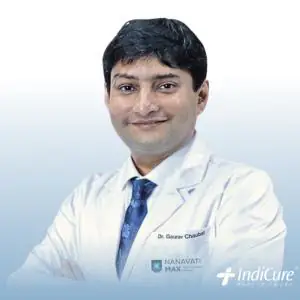
Mumbai
Experience: 19+ years
Hospital: Nanavati Max Hospital
Speciality: Liver, Pancreas & Multi-Organ Transplant, HPB Surgery
Qualification: MBBS — Seth G.S. Medical College, Mumbai; MS, MCh (GI Surgery) — AIIMS, New Delhi
Fellowships and Training: Fellowship in HPB Oncosurgery — Tata Memorial Centre, Mumbai; Fellowship, American Society of Transplant Surgeons — Duke University Hospital, USA; liver surgery training at Seoul National University and Samsung Medical Centre, South Korea
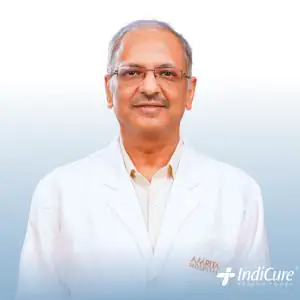
Faridabad
Experience: 25+ years
Hospital: Amrita Hospital
Speciality: Living Donor Liver Transplantation, Robotic Donor Surgery, HPB Oncology
Qualification: MBBS, MS (General Surgery), DNB (General Surgery), MCh (Surgical Gastroenterology)
Fellowships and Training: ASTS Solid Organ Transplant Fellowship - University of Rochester Medical Center, New York, USA

Noida, Delhi NCR
Experience: 25+ years
Hospital: Fortis Hospital, Noida
Speciality: Living Donor Liver Transplantation, Laparoscopic Donor Surgery, HPB Surgery
Qualification: MBBS, MS, DNB (General Surgery); MRCS (Edinburgh)
Fellowships and Training: Preceptorship in Liver Transplantation - University of Alabama at Birmingham, USA
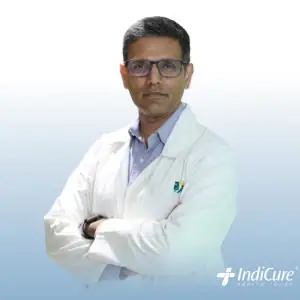
Navi Mumbai
Experience: 15+ years
Hospital: Apollo Hospitals
Speciality: Liver Transplant, HPB Surgery, Liver Cancer Surgery
Qualification: MBBS, MS (General Surgery), DNB (Surgical Gastroenterology), MRCS (Edinburgh)
Fellowships and Training: HPB & Liver Transplantation; trained under Dr. A.S. Soin at Medanta, Gurugram, and Prof. Young Kyoung You in South Korea
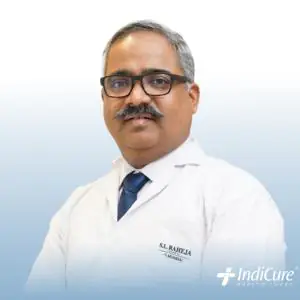
Mumbai
Experience: 12+ years
Hospital: Fortis Hospital, Mulund
Speciality: Living Donor Liver Transplantation, ABO-Incompatible Transplant, Robotic Liver Surgery
Qualification: MBBS, MS (General Surgery), Fellow of American College of Surgeons (FACS)
Fellowships and Training: Fellowship in Liver Transplantation — Kyoto University Hospital, Japan; training in liver transplantation at Hôpital Beaujon, Paris, France, and Asan Medical Center, Seoul, South Korea
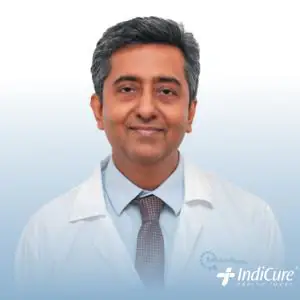
Mumbai
Experience: 16+ years
Hospital: Kokilaben Dhirubhai Ambani Hospital (KDAH)
Speciality: Liver Transplantation, HPB Surgery, Portal Biliopathy
Qualification: MBBS, MS (General Surgery), DNB (General Surgery), DNB (Gastrointestinal Surgery)
Fellowships and Training: ASTS Fellowship in Multi-Organ Transplantation — University of Pennsylvania, Philadelphia, USA; Paediatric Multi-Organ Transplantation — Children's Hospital of Philadelphia, USA

Gurugram
Experience: 38+ years
Hospital: Medanta — The Medicity
Speciality: Living Donor Liver Transplantation (LDLT), Complex Liver & Biliary Surgery
Qualification: MBBS, MS, FRCS-Glasgow and Edinburgh, UK
Fellowships and Training: Visiting Fellowship - Kyoto Liver Transplant Unit, Japan
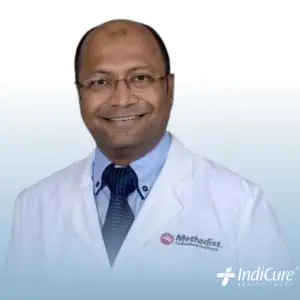
Mumbai
Experience: 20+ years
Hospital: Sir H.N. Reliance Foundation Hospital
Speciality: Living Donor Liver Transplantation, Paediatric Liver Transplant, HPB Surgery
Qualification: MBBS, MS, DNB, MSc (Organ Transplant), FACS
Fellowships and Training: ASTS Transplant Fellowship; Thomas E. Starzl Transplantation Institute, University of Pittsburgh; University of Rochester Medical Center; Washington University, St. Louis, USA
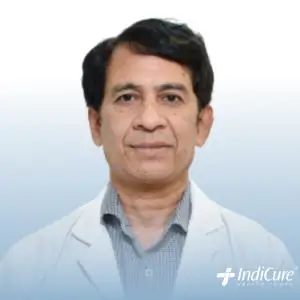
Gurugram
Experience: 22+ years
Hospital: Artemis Hospital
Speciality: Liver Transplantation, Robotic & Laparoscopic Liver Surgery, HPB Surgery
Qualification: MBBS, MS (General Surgery), MCh (GI Surgery)
Fellowships and Training: Liver Transplant - Indraprastha Apollo Hospital, New Delhi

New Delhi
Experience: 20+ years
Hospital: BLK-Max Super Speciality Hospital
Speciality: Liver Transplantation, HPB Surgery, Multi-Organ Transplant
Qualification: MBBS, MS (General Surgery), FRCS (Glasgow)
Fellowships and Training: Fellowship in Multi-Organ Transplant Surgery — Thomas Starzl Transplantation Institute, University of Pittsburgh Medical Center, USA
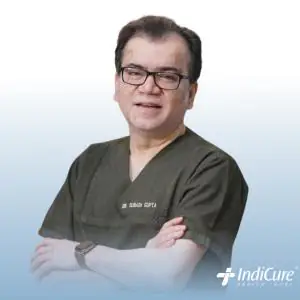
New Delhi
Experience: 35+ years
Hospital: Max Super Speciality Hospital, Saket
Speciality: Living Donor Liver Transplantation (LDLT), Hepato-Pancreato-Biliary (HPB) Surgery, Complex Liver & Biliary Surgery
Qualification: MBBS, MS (General Surgery) — All India Institute of Medical Sciences (AIIMS), New Delhi; FRCS (Edinburgh); FRCS (Glasgow)
Fellowships and Training: HPB surgical training under Dr. Paul McMaster — Queen Elizabeth Hospital, Birmingham, and St. James's University Hospital, Leeds, UK
The hospitals on this page are JCI- or NABH-accredited, with dedicated transplant ICUs, and their surgeons have performed hundreds to thousands of transplants. But a liver transplant is major surgery for both the recipient and the living donor. Risks for the recipient include bleeding, infection, bile leaks or narrowing of the bile duct, blood clots in the liver's blood vessels, rejection, graft failure and side effects of anti-rejection medicines. Donors face a small risk of serious complications and, rarely, death. Before you decide, the transplant team should explain the risks that apply to you and your donor.
Most living donor liver transplants in India cost from about USD 28,000, including both the recipient's and the donor's surgery and hospital stay
| Procedure | Starting price (US$) |
|---|---|
| Living donor liver transplant (adult) | 28,000 |
| Living donor liver transplant (child) | 30,000 |
| Living donor liver transplant with robotic donor surgery | 30,000 |
Prices as of October 2026. Starting prices only, not final bills.
The final cost depends on the recipient's condition, donor-recipient compatibility, the hospital, and the length of ICU and hospital stay. Check whether the quote covers both the recipient's and the donor's surgery and stay. Send us your reports, and IndiCure will arrange a written, itemised estimate from the hospital before you travel.
A liver transplant is considered when the liver has failed or is failing, and other treatments no longer work. Common reasons include:
A transplant team decides whether you need one after reviewing your blood tests, scans and overall health.
In a living donor transplant, part of a healthy relative's liver is removed and transplanted. Both parts regrow quickly, reaching most of their original size within about 2 to 3 months. A deceased donor transplant uses a whole or split liver from a brain-dead donor, allocated through a waiting list. Because deceased donor livers are scarce in India, most transplants here are living donor procedures, which can be scheduled in advance.
Under the Transplantation of Human Organs and Tissues Act (THOTA), a deceased donor liver goes to a foreign national only if no suitable Indian patient is available at the time of matching. Waiting times are therefore unpredictable and can't be guaranteed. That's why most international patients come to India with a living donor.
No. International patients must bring their own donor, who must be a close relative, such as a spouse, parent, child, sibling, grandparent or grandchild. You'll need documents proving the relationship and a certificate from your country's embassy or high commission. A hospital authorisation committee reviews and approves every transplant involving a foreign national before surgery.
Most centres in India require a living donor to be a genetically or legally related family member, generally aged 18 to 55, in good general health, and with a blood type compatible with the recipient (or suitable for an ABO-incompatible protocol at centres that offer it). Final eligibility is confirmed only after imaging to assess liver volume and a full medical and psychological work-up, which a hospital's transplant committee reviews independently of the treating surgeon.
Living liver donation is major surgery, but at experienced centres the risk of serious complications is low, and the risk of death is very rare, well under 1% in published studies. Before approval, every donor has detailed imaging, blood tests and a psychological assessment. The donor's remaining liver regrows to near its full size within about 2 to 3 months.
Ask each centre:
The surgeons on this page lead high-volume programmes, and IndiCure can arrange video consultations so you can ask these questions before you travel.
Plan on about 4 to 7 weeks in India for the recipient and about 3 to 4 weeks for the donor. Donors usually spend 7 to 10 days in hospital and return to normal activity within 6 to 8 weeks. Recipients usually spend 2 to 3 weeks in hospital, including ICU care, followed by 2 to 4 more weeks of recovery in India before flying home. Your transplant team will confirm when it's safe to fly.
Recipients take anti-rejection medicines for life and need regular blood tests to check liver function and drug levels. This is usually shared between the transplant centre and a liver specialist near home. IndiCure can arrange video follow-ups with your transplant team to review results and adjust medicines.
The MELD (Model for End-Stage Liver Disease) score, usually ranging from 6 to 40, is calculated from bilirubin, creatinine, INR blood tests, and, in newer versions, sodium. It estimates how urgently a patient needs a transplant. It's used mainly to prioritise patients on the deceased donor waiting list. In a living donor transplant, surgery is scheduled once the donor and recipient are medically ready.
Yes, for selected patients. A transplant can cure hepatocellular carcinoma (HCC) by removing both the tumour and the diseased liver. Eligibility usually depends on the size and number of tumours, most commonly assessed against the Milan criteria, and is confirmed after imaging and a tumour board review. Transplant isn't suitable for every stage of liver cancer.
High-volume transplant centres in India generally report one-year survival of about 85 to 90 percent. Your own outcome depends on your condition before the transplant, the cause of your liver disease, and any complications. Ask the hospital for its own outcome data and what it means for you.
It uses a liver from a donor whose blood group doesn't match the recipient's. Extra treatment before surgery, usually antibody removal and adjusted anti-rejection medicines, helps prevent rejection. It's used when no blood-group-matched donor is available in the family, and needs closer monitoring after surgery. Several surgeons on this list perform it, including Dr. Vikram Raut, Dr. Somnath Chattopadhyay and Dr. Guruprasad Shetty.
Yes. IndiCure arranges a video or telephone consultation with the transplant team before you travel. Send your blood tests, scans (CT or MRI), endoscopy reports and details of your potential donor, so the team can review them and discuss a preliminary plan. Your plan is confirmed after you and your donor are assessed in India.
The patient usually travels on an Indian Medical Visa (or e-Medical Visa). The donor and caregivers travel on a Medical Attendant Visa linked to the patient’s visa. The donor also needs documents proving the family relationship and a certificate from your country's embassy. IndiCure helps you prepare the hospital letters needed for the visa application.
This page was written by Dr. Chhaya Rakh, BHMS, and medically reviewed by Dr. Harish Pamnani, MBBS, DCH.
Last updated: Nov 06, 2026
This content is for educational purposes only. IndiCure coordinates medical travel and does not provide medical advice, diagnosis or treatment. A qualified liver transplant surgeon or hepatologist must assess your suitability for a transplant, your donor's compatibility, the risks involved and your recovery timeline, based on individual medical tests.
Each surgeon's qualifications, specialties, hospital affiliations and professional credentials are reviewed against IndiCure's 15-Point Surgeon Selection Criteria. Where possible, they are verified through official hospital profiles, the National Medical Commission register and recognised transplant societies. Surgical volumes and awards are as reported by the surgeon or hospital. Credentials were last verified in October 2026.
The FAQ answers draw on the following sources.
The FAQ answers draw on the following sources.
Privacy Note: Your medical information is handled confidentially and is used only for patient support and treatment coordination.
We handle every detail of your trip so you can focus entirely on your health and recovery:
The content provided on this website is intended for general educational purposes only and does not constitute professional medical advice, diagnosis, or treatment. While we maintain a comprehensive editorial policy to ensure the accuracy and reliability of our information, this content should not be utilized as a substitute for professional clinical care.
Individual Results: All "before and after" photographs are illustrative examples of potential outcomes; actual surgical results vary significantly by individual.
Mandatory Consultation: We strongly advise a personal, in-person evaluation with a qualified surgeon to assess your specific medical needs and realistic procedural goals.
Surgical Risk: It is vital to maintain realistic expectations and fully understand potential complications before electing for surgery.