Curated By:
Dr. Anjali Mishra
Medically Reviewed By:
Dr. Ruchika Malhotra, BOT, OTR (USA), MSW
Last updated: Sep 26, 2026
Bone marrow transplantation requires a specialised team with experience in hematology, oncology and stem cell transplantation. The specialists below treat leukemia, lymphoma, myeloma, thalassemia and bone marrow failure, and perform autologous, allogeneic and haploidentical transplants.
Each doctor has been assessed against our 15-Point Specialist Selection Criteria, with links to official profiles so you can verify their credentials. We don't charge patients for recommendations, and no doctor or hospital is featured because of a financial arrangement. The specialists below are listed in no particular order. This list is not a ranking.
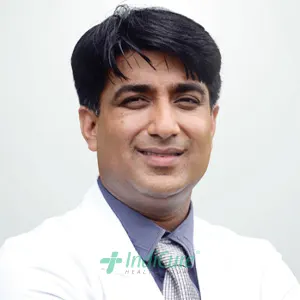
New Delhi
Experience: 20+ years
Hospital: BLK-Max Super Speciality Hospital
Speciality: Clinical Hematology, Bone Marrow Transplantation (BMT), Hemato-Oncology & Stem Cell Transplantation
Qualification: MBBS, MD (Internal Medicine), DM (Clinical Hematology) — AIIMS, New Delhi
Fellowships & Training: Leukemia/BMT Programme of British Columbia — Vancouver General Hospital & BC Cancer Agency, Canada; Department of Hematology — Christian Medical College & Hospital, Vellore; Department of Clinical Immunology — SGPGIMS, Lucknow
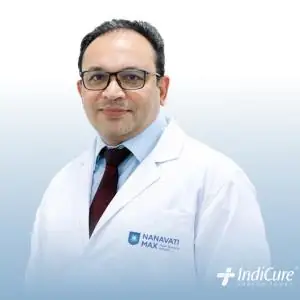
Mumbai
Experience: 17+ years
Hospital: Nanavati Max Super Speciality Hospital
Speciality: Hematology, Bone Marrow Transplantation (BMT), Hemato-Oncology, Acute & Chronic Leukemia, Lymphoma, Multiple Myeloma
Qualification: MBBS, MD (General Medicine), MRCP, Royal College of Physicians, FRCPath (Hematology), Royal College of Pathologists.
Fellowships & Training: Fellow (Post-CCT), Bone Marrow Transplant, Nottingham University Hospitals NHS Trust, UK
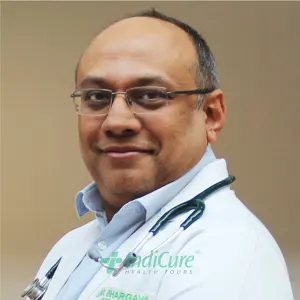
Gurugram
Experience: 23+ years
Hospital: Fortis Memorial Research Institute (FMRI)
Speciality: Hematology, Bone Marrow Transplantation (BMT), Hemato-Oncology, Acute & Chronic Leukemia, Lymphoma, Multiple Myeloma
Qualification: MBBS, MD (General Medicine), MRCP, Royal College of Physicians, FRCPath (Hematology), Royal College of Pathologists.
Fellowships & Training: Fellow (Post-CCT), Bone Marrow Transplant, Nottingham University Hospitals NHS Trust, UK
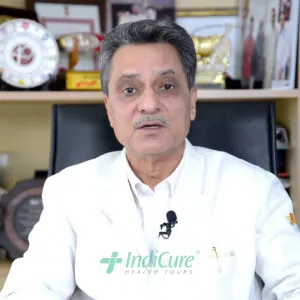
Gurugram
Experience: 41+ years
Hospital: Medanta - The Medicity
Speciality: Medical Oncology, Clinical Hematology, Bone Marrow Transplantation (BMT), Stem Cell Transplantation
Qualification: MBBS, MD (Internal Medicine), DM (Medical Oncology)
Fellowships & Training: AIIMS, New Delhi and Tata Memorial Hospital, Mumbai
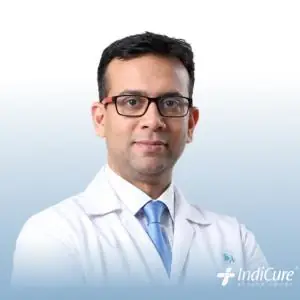
Navi Mumbai
Experience: 13+ years
Hospital: Apollo Hospitals, Navi Mumbai
Speciality: Clinical Hematology, Hemato-Oncology, Bone Marrow Transplantation (BMT), CAR-T Cell Therapy
Qualification: MBBS, MD (General Medicine), DM (Clinical Hematology)
Fellowships & Training: Clinical Fellowship in Leukemia, MD Anderson Cancer Center, Houston, USA
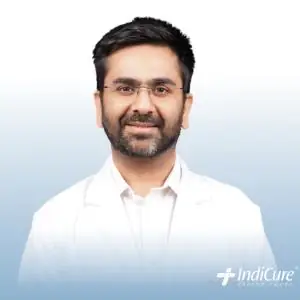
Faridabad
Experience: 15+ years
Hospital: Amrita Hospital, Faridabad
Speciality: Medical Oncology, Bone Marrow Transplantation (BMT), Cellular Therapy, CAR-T Cell Therapy
Qualification: MBBS, MD (Medicine), DM (Medical Oncology)
Fellowships & Training: Fellowship in BMT & Cellular Therapy, Fred Hutchinson Cancer Research Center, Seattle, USA (2016)
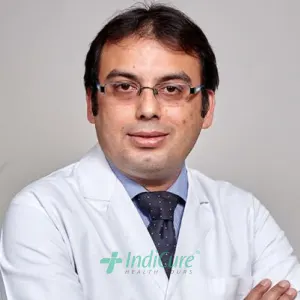
Gurugram
Experience: 20+ years
Hospital: Fortis Memorial Research Institute (FMRI)
Speciality: Pediatric Hematology-Oncology, Bone Marrow Transplantation (BMT), Pediatric Haploidentical & MUD Transplants
Qualification: MBBS, MD (Pediatrics)
Fellowships & Training: FNB (Pediatric Hematology Oncology), Sir Ganga Ram Hospital; Fellowship in Pediatric Bone Marrow Transplant, National University Hospital, Singapore (2014)
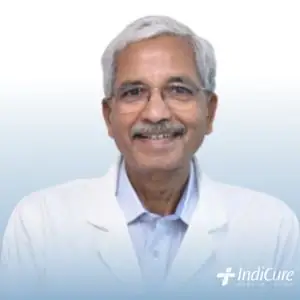
Gurugram
Experience: 35+ years
Hospital: Artemis Hospital, Gurugram
Speciality: Medical Oncology, Bone Marrow Transplantation (BMT), Hematological Malignancies, Gynecological Malignancies
Qualification: MBBS, MD (Medicine), DM (Medical Oncology)
Fellowships & Training: Post-Doctoral Fellowship, Royal Postgraduate Medical School, Hammersmith Hospital, London, under Prof. John Goldman; Fulbright Scholar, USA
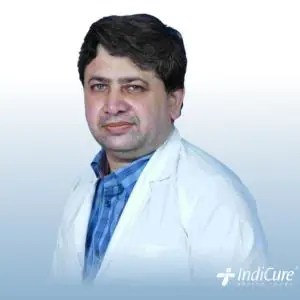
Mumbai
Experience: 22+ years
Hospital: Gleneagles Hospital, Parel
Speciality: Medical Oncology, Hemato-Oncology, Bone Marrow Transplantation (BMT)
Qualification: MBBS, DNB (Medical Oncology & Hematology)
Fellowships & Training: Fellowship in Stem Cell Transplantation, Seattle Cancer Care Alliance & University of Washington Medical College, USA
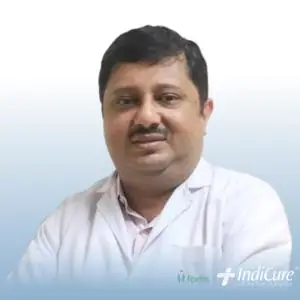
Mumbai
Experience: 15+ years
Hospital: Fortis Hospital, Mulund
Speciality: Clinical Hematology, Hemato-Oncology, Bone Marrow Transplantation (BMT), Thalassemia, Sickle Cell Disease
Qualification: MBBS, MD, DM (Clinical Hematology)
Fellowships & Training: Fellowship in Peripheral Blood Stem Cell Transplantation, Vancouver General Hospital & BC Cancer Agency, Canada; certified Fellowship in Lymphoma, BC Cancer Agency
Doctors featured on this page were assessed using IndiCure's specialist selection criteria, which consider relevant medical qualifications, specialist training, clinical experience, current hospital affiliation, transplant experience, and publicly available professional information. Where available, qualifications and affiliations are cross-checked against official hospital or specialist sources.
The list is intended to provide information about specialists and is not a substitute for an individual medical assessment. Suitability for a particular transplant depends on the patient's diagnosis, disease status, overall health, donor availability, and other clinical factors.
Bone marrow or blood stem cell transplantation is a complex treatment that carries potential risks regardless of where it is performed. These may include infections, complications related to conditioning treatment, organ complications, and, in an allogeneic transplant, graft-versus-host disease (GVHD). The type and severity of complications vary between patients.
For international patients, the transplant centre's accreditation, infection-control practices, transplant-team experience, availability of appropriate donor testing, and arrangements for follow-up care are important considerations. Patients should discuss the potential benefits, risks and alternatives with their treating transplant team before making a treatment decision.
The cost of a BMT in India varies considerably depending on the type of transplant, underlying disease, conditioning regimen, donor requirements, hospital stay, complications, medicines and follow-up care.
Rather than applying a fixed percentage difference between India and another country, patients should request an individualised treatment estimate based on their diagnosis and proposed transplant type.
IndiCure can provide indicative package information for procedures such as autologous, allogeneic and haploidentical transplantation. The final hospital bill may differ from an initial estimate if additional investigations, treatment or management of complications is required.
An autologous transplant uses the patient's own blood-forming stem cells, which are collected and stored before intensive treatment and then returned to the patient.
An allogeneic transplant uses blood-forming stem cells from another person. The donor may be a related or unrelated donor, depending on the patient's circumstances and donor availability.
A haploidentical transplant is a type of allogeneic transplant in which the donor shares approximately half of the patient's HLA markers. A parent, child, or sometimes a sibling may be a potential haploidentical donor.
The appropriate transplant type depends on factors such as the underlying disease, disease status, previous treatment, the patient's health and the availability of a suitable donor.
Start by checking the doctor's profile on the official hospital website and confirming the qualifications and specialist credentials listed there.
For additional verification, patients can check applicable medical registration records through the National Medical Commission or the relevant State Medical Council. Transplant volume and outcome figures should also be interpreted carefully because reporting methods can differ between doctors and hospitals.
Yes. IndiCure arranges a video consultation with your treating hematologist or transplant specialist before you travel, so you can make an informed decision before committing to the trip.
To get started, send us your medical reports. We share them with the specialist, who reviews your case before the call. The reports usually needed are your diagnosis and pathology reports, bone marrow biopsy results, recent blood tests, scans, details of previous treatment such as chemotherapy, and any HLA typing results for you or your potential donors.
During the consultation, the specialist can explain whether a transplant is suitable for you, which type of transplant they recommend, whether any further tests are needed, and how long you may need to stay in India. You'll also have the chance to ask your own questions. After the call, IndiCure shares an estimated cost and helps you plan your travel.
A video consultation can't replace an in-person examination. Your treatment plan will be confirmed after the transplant team examines you and completes any required tests in India.
For an allogeneic transplant, donor selection generally begins with HLA typing of the patient and potential donors. HLA markers are inherited, so close family members such as siblings and parents may be tested. If an appropriate related donor is not available, the transplant team may search an unrelated-donor registry or consider other donor sources, depending on the patient's circumstances. A haploidentical donor shares approximately half of the patient's HLA markers and may be a parent, child, or sibling.
The transplant team determines which donor is appropriate after considering HLA results and other clinical and donor-related factors. HLA matching is not the same as blood-group matching; HLA compatibility is a key consideration in donor selection.
There is no single standard timeframe for a BMT journey. The duration depends on the patient's diagnosis, transplant type, conditioning regimen, donor availability, response to treatment, complications and recovery.
The process can include pre-transplant evaluation, donor identification and testing where required, conditioning treatment, stem-cell infusion, monitoring for engraftment and complications, and follow-up after discharge. NCI notes that the overall transplant process can take several months and that immune-system recovery may continue for months after the transplant.
For international patients, the required stay in India should therefore be discussed with the treating transplant centre after the patient's case has been reviewed. Patients should also plan for a period of local follow-up after discharge rather than assuming that they can immediately return home.
Yes. Family members can travel with the patient, and hospitals generally allow up to two people to accompany an international patient. India's medical visa rules also allow up to two attendants to travel on medical attendant visas linked to the patient's visa. IndiCure can guide your family through the visa process and help arrange accommodation near the hospital.
If you need a donor transplant (allogeneic), the transplant team may recommend HLA testing for family members. HLA is a set of inherited markers used to find a compatible donor. Brothers, sisters, parents, and children can be potential donors, depending on your condition and the type of transplant planned.
A good HLA match alone doesn't mean a family member can donate. Every potential donor also needs a medical check-up to make sure donation is safe for them.
If a family member might be your donor, discuss donor testing with the transplant centre before booking travel. In many cases, initial HLA testing can be done in your home country first, which helps you decide who should travel with you.
Medical Disclaimer
This information is for educational purposes only. IndiCure facilitates medical travel and does not provide medical advice, diagnosis, or treatment. Treatment suitability must be assessed by a qualified hematologist or bone marrow transplant specialist. Outcomes and risks vary by patient.
How this page is verified: BMT specialist qualifications, specialties, services, and hospital affiliations are reviewed against IndiCure's Specialist Selection Criteria and publicly available hospital and specialist sources. Transplant volumes are reported by the specialist or hospital and updated where available.
Privacy Note: Your medical information is handled confidentially and is used only for patient support and treatment coordination.
We handle every detail of your trip so you can focus entirely on your health and recovery:
The content provided on this website is intended for general educational purposes only and does not constitute professional medical advice, diagnosis, or treatment. While we maintain a comprehensive editorial policy to ensure the accuracy and reliability of our information, this content should not be utilized as a substitute for professional clinical care.
Individual Results: All "before and after" photographs are illustrative examples of potential outcomes; actual surgical results vary significantly by individual.
Mandatory Consultation: We strongly advise a personal, in-person evaluation with a board-certified surgeon to assess your specific medical needs and realistic procedural goals.
Surgical Risk: It is vital to maintain realistic expectations and fully understand potential complications before electing for surgery.