Curated By:
Dr. Anjali Mishra, BDS
Medically Reviewed By:
Dr. Harish Pamnani, MBBS, DCH
Last updated: Nov 06, 2026
India has experienced pulmonologists in Mumbai, Navi Mumbai, New Delhi, Gurugram and Faridabad who treat asthma, COPD, interstitial lung disease, tuberculosis, sleep apnea and lung cancer. The best pulmonologist in India for you depends on your lung condition and the tests or treatment you need, from bronchoscopy and EBUS biopsy to sleep studies and lung transplant evaluation. IndiCure can arrange a video consultation with the pulmonologist before you travel.
Each pulmonologist below holds a postgraduate qualification in pulmonary or respiratory medicine (MD, DNB or DM), or equivalent specialist training abroad, and a senior role at an accredited hospital. Many have additional training in interventional pulmonology, critical care or sleep medicine, in India or abroad.
Each has been assessed against our 15-Point Surgeon Selection Criteria, with links to official profiles so you can verify their credentials. We don't charge patients for recommendations, and no doctor or hospital is featured in exchange for a financial arrangement.
The specialists below are listed in no particular order. This list is not a ranking.
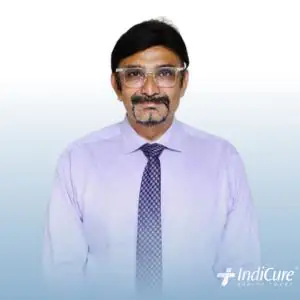
Mumbai
Experience: 23+ years
Hospital: Wockhardt Hospital, Mumbai Central
Speciality: Pulmonology, Tuberculosis, Sleep Medicine
Qualification: MBBS, MD (Tuberculosis & Respiratory Diseases), Postgraduate Diploma in Infectious Diseases — University of New South Wales (UNSW), Australia
Fellowships and Training: Thoracic endoscopy for lung cancer diagnosis and staging — Marseille, France (2015); Interventional Pulmonology course — European Respiratory Society (2015); Edinburgh Sleep Medicine course — accredited by the Royal College of Physicians of Edinburgh (2018); Pediatric Respiratory Medicine course — European Respiratory Society (2018)
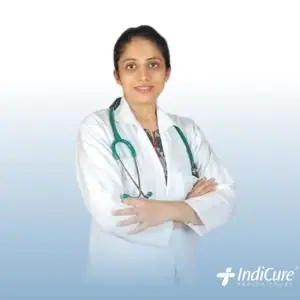
Mumbai
Experience: 13+ years
Hospital: Gleneagles Hospital, Parel
Speciality: Pulmonology, Interventional Pulmonology, Sleep Medicine
Qualification: MBBS, MD (Pulmonary Medicine), European Diploma in Adult Respiratory Medicine (EDARM)
Fellowships and Training: Advanced Bronchoscopy Training, CHEST, Chicago; Certificate Course in Diagnostic and Interventional Bronchoscopy and Thoracoscopy — IMMAST; clinical observerships in pulmonary critical care and internal medicine — Allegheny General Hospital, Pittsburgh, and Indiana University, USA
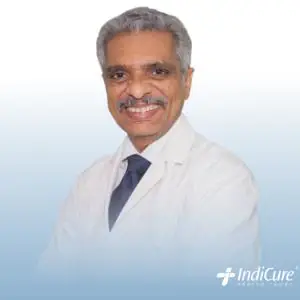
Mumbai
Experience: 32+ years
Hospital: Nanavati Max Super Speciality Hospital
Speciality: Pulmonology, Interventional Pulmonology
Qualification: MBBS, MD (Chest & TB)
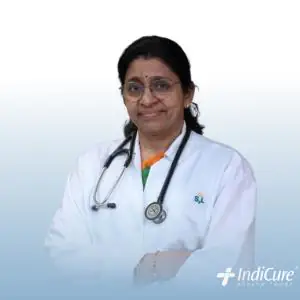
Navi Mumbai
Experience: 29+ years
Hospital: Apollo Hospitals, Navi Mumbai
Speciality: Pulmonology, Respiratory Medicine
Qualification: MBBS, MD (Chest Medicine); DETRD (Diploma in Environmental, TB & Chest Diseases), MRCP (UK), European Diploma in Adult Respiratory Medicine (EDARM)
Fellowships and Training: Fellow of the American College of Chest Physicians (FCCP), Fellowship awarded at BRONCHOCON
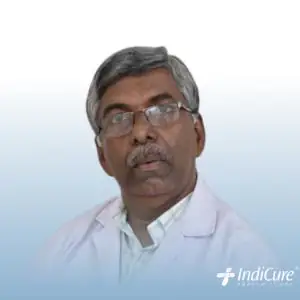
Mumbai
Experience: 34+ years
Hospital: Fortis Hospital, Mulund
Speciality: Pulmonology, Tuberculosis & Respiratory Infections
Qualification: MBBS, DNB (Pulmonary Medicine)
Fellowships and Training: British Thoracic Society Fellowship; Fellowship, Tel Aviv University, Israel
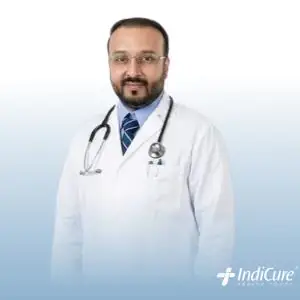
Mumbai
Experience: 15+ years
Hospital: Fortis Hospital, Mulund
Speciality: Pulmonology, Critical Care, Sleep Medicine, Interventional Pulmonology
Qualification: MBBS, DNB (Respiratory Diseases), DM (Pulmonary, Critical Care & Sleep Medicine), MRCP (UK) (Respiratory Medicine), European Diploma in Adult Respiratory Medicine (EDARM)
Fellowships and Training: Tata Memorial Hospital, Mumbai; ELSO-certified Adult ECMO training — Fortis Hospital, Gurugram; ISDA Fellowship in Sleep Medicine under Prof. J.C. Suri — VMMC & Safdarjung Hospital, New Delhi
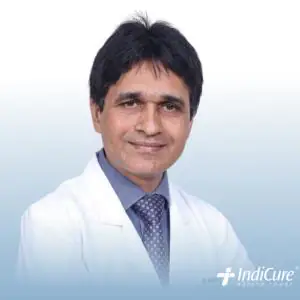
Gurugram
Experience: 32+ years
Hospital: Fortis Memorial Research Institute
Speciality: Pulmonology, Sleep Medicine, Interventional Pulmonology
Qualification: MBBS, MD
Fellowships and Training: Diploma in Interventional Pulmonology — University of Lille, France; Fellowship in Intensive Care Medicine — Erasme University Hospital, Brussels, Belgium; Fellowship in Sleep Medicine — Royal Prince Alfred Hospital, Sydney, Australia; EBUS and cryobiopsy training — Royal Brisbane and Women's Hospital, Australia
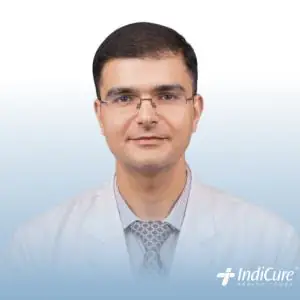
Faridabad
Experience: 17+ years
Hospital: Amrita Hospital
Speciality: Pulmonology, Interventional Pulmonology, Sleep Medicine
Qualification: MBBS, MD (Internal Medicine), DM (Pulmonary and Critical Care Medicine); European Diploma in Adult Respiratory Medicine (EDARM)
Fellowships and Training: Advanced interventional pulmonology training, Siriraj Hospital, Mahidol University, Bangkok, Thailand; APSR Fellow (Interventional Pulmonology), FCCP (Fellow of the American College of Chest Physicians), FAPSR (Fellow of the Asian Pacific Society of Respirology)
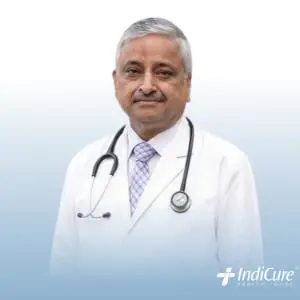
Gurugram
Experience: 40+ years
Hospital: Medanta — The Medicity
Speciality: Pulmonology, Respiratory & Sleep Medicine
Qualification: MBBS, MD (General Medicine), DM (Pulmonary Medicine)-PGIMER, Chandigarh
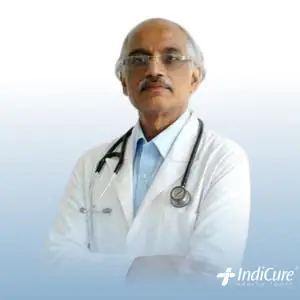
Gurugram
Experience: 38+ years
Hospital: Medanta — The Medicity
Speciality: Pulmonology, Tuberculosis & Respiratory Diseases
Qualification: MBBS, MD (TB & Respiratory Diseases) — Gold Medalist
Fellowships and Training: WHO Fellowship in TB Research and Operations, USA
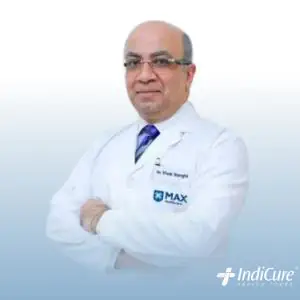
New Delhi
Experience: 29+ years
Hospital: Max Super Speciality Hospital, Saket
Speciality: Interventional Pulmonology, Critical Care, Sleep Medicine, Lung Infections
Qualification: MBBS, MD (TB & Respiratory Diseases/Medicine), Aligarh Muslim University; Diploma in Infectious Diseases — London School of Hygiene & Tropical Medicine; MSc Infectious Diseases — University of London
Fellowships and Training: Fellowship in Pulmonary and Critical Care Medicine — Cleveland Clinic, USA; Sleep Medicine training — Stanford University, USA; Fellowship in Pediatric Pulmonology — Royal Brompton Hospital, London; Diploma in Interventional Bronchoscopy — Spain; FCCP (Fellow, American College of Chest Physicians)
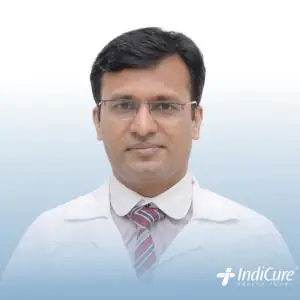
Mumbai
Experience: 20+ years
Hospital: Kokilaben Dhirubhai Ambani Hospital (KDAH)
Speciality: Pulmonology, Interventional Pulmonology, Sleep Medicine
Qualification: MBBS, MD (General Medicine), MRCP (UK, 2006), CCST (Respiratory Medicine) — North West Deanery, UK
Fellowships and Training: Diploma in Medical Leadership, Manchester Business School, UK
A diagnostic bronchoscopy in India starts at about US$300.
| Procedure | Starting price (US$) |
|---|---|
| Diagnostic bronchoscopy | 300 |
| Sleep study (polysomnography) | 300 |
| EBUS-TBNA | 1,000 |
| Medical thoracoscopy | 1,800 |
Prices as of October 2026. Starting prices only, not final bills.
The final cost depends on the procedure, sedation, biopsy and lab tests, the hospital, and the length of any hospital stay.
A pulmonologist diagnoses and treats lung conditions using medications and non-surgical procedures, such as bronchoscopy. A thoracic surgeon operates on the lungs and chest, for example to remove a lung tumor. Pulmonologists usually see you first and refer you to a surgeon if you need an operation. They also help decide whether your lungs are strong enough for surgery.
Indicative costs for international patients:
Interventional pulmonology uses thin scopes passed into the airways or chest to diagnose and treat lung conditions without open surgery. Common procedures include EBUS-guided biopsy of lymph nodes, airway stenting, removing airway blockages, and draining fluid from around the lungs with medical thoracoscopy. These procedures need specialist equipment and extra training, so not every hospital offers the full range.
Asthma often starts in childhood; its symptoms come and go, and it usually responds well to inhaled treatment. COPD usually develops in adults after years of smoking or exposure to smoke and air pollution, and the narrowing of the airways is only partly reversible. The two can overlap, so doctors use lung function tests (spirometry) to tell them apart.
Usually with a chest X-ray, lung function tests (spirometry), and blood tests. If these don't explain the symptoms, a high-resolution CT scan of the chest gives a more detailed picture, and a bronchoscopy may be used to look inside the airways or take a sample. The tests you need depend on the likely cause, your smoking history and how long you've had symptoms.
Sleep apnea is diagnosed with a sleep study (polysomnography), done overnight in a sleep lab or, for simpler cases, at home with a portable monitor. The main treatment is CPAP, a mask that keeps the airway open during sleep. Weight loss and changing sleep position can help milder cases, and surgery is an option only for selected patients.
Most forms of interstitial lung disease can't be cured, but anti-fibrotic medicines can often slow it down, and some inflammatory types respond to medicines that calm the immune system. Pulmonary rehabilitation, oxygen when needed, and treating any underlying cause, such as an autoimmune disease, are also important. For advanced disease, a lung transplant may be considered.
Not always. Small, low-risk nodules are usually monitored with repeat CT scans to check for growth, following Fleischner Society guidelines. Larger nodules, those that look suspicious on the scan, or nodules in people with a significant smoking history are more likely to need a biopsy, usually by EBUS-guided bronchoscopy or a CT-guided needle.
Bronchoscopy is generally safe. Common, short-lived effects include sore throat, cough, and mild fever. Less often, there may be bleeding after a biopsy, a temporary drop in oxygen levels, or, after a lung biopsy, a collapsed lung (pneumothorax) that may need treatment. Your pulmonologist should explain the risks for your procedure before you decide.
Most bronchoscopy and EBUS procedures are done as day cases, but plan on about a week in India to allow for tests, the procedure, and biopsy results. A sleep study usually needs two to three days. If you need treatment after diagnosis, your doctor will tell you how long to stay.
Yes. IndiCure arranges a video or telephone consultation with the pulmonologist before you travel. Send your CT scans, chest X-rays, lung function tests, sleep study, and any biopsy reports, and the doctor will review them and discuss a preliminary plan. A video consultation can't replace an in-person examination, so your plan is confirmed after you're assessed in India.
Yes. International patients travel to India on a medical visa, and up to two family members can accompany you on medical attendant visas. You’ll need a letter from the hospital confirming your treatment plan for the visa application. IndiCure can help with the hospital letter, visa guidance and accommodation near the hospital.
A lung transplant is considered for advanced lung disease, most often severe pulmonary fibrosis, end-stage COPD or pulmonary hypertension, when other treatments no longer work and the chance of surviving the next two years is low. Patients go through a detailed assessment of their lungs, heart, nutrition and readiness to take lifelong anti-rejection medicines before they can be listed.
A single lung transplant replaces one lung and is mainly used for conditions without chronic infection, such as pulmonary fibrosis and some cases of COPD. A double lung transplant replaces both lungs and is needed for conditions with chronic lung infection, such as cystic fibrosis and bronchiectasis, because an infected lung left in place would infect the new one. It's also often preferred for severe pulmonary hypertension. The transplant team decides which is right for you.
Lungs for transplant in India come from deceased donors. Under the Transplantation of Human Organs and Tissues Act (THOTA), a donated lung goes to a foreign national only if no suitable Indian patient is waiting, so waiting times are unpredictable and can't be guaranteed. Patients usually also need to stay near the transplant center for about three months after surgery. Ask IndiCure to check current availability at transplant centers before you plan travel.
International registry data show about 85% of lung transplant recipients survive the first year, and about half live more than six years. Your outcome depends on your lung disease, your health before surgery, and how closely you follow your medicines and check-ups. Recipients take anti-rejection medicines for life and need regular monitoring for rejection and infection.
This page was written by IndiCure's medical content team and reviewed by a doctor. Below is how we verify the information, the sources we used and our medical disclaimer.
This content is for educational purposes only. IndiCure coordinates medical travel and does not provide medical advice, diagnosis, or treatment. Diagnostic evaluations, procedural candidacy (such as bronchoscopy and EBUS), and respiratory treatment plans must be evaluated directly by a qualified pulmonologist or chest physician based on individual medical assessments and pulmonary function tests.
Pulmonologist qualifications, specialities, hospital affiliations and professional credentials are reviewed against IndiCure's 15-Point Surgeon Selection Criteria and verified, where possible, through official hospital and specialist sources. Procedure volumes and awards are as reported by the doctor or hospital. Credentials last verified October 2026.
Privacy Note: Your medical information is handled confidentially and is used only for patient support and treatment coordination.
We handle every detail of your trip so you can focus entirely on your health and recovery:
The content provided on this website is intended for general educational purposes only and does not constitute professional medical advice, diagnosis, or treatment. While we maintain a comprehensive editorial policy to ensure the accuracy and reliability of our information, this content should not be utilized as a substitute for professional clinical care.
Individual Results: All "before and after" photographs are illustrative examples of potential outcomes; actual surgical results vary significantly by individual.
Mandatory Consultation: We strongly advise a personal, in-person evaluation with a qualified surgeon to assess your specific medical needs and realistic procedural goals.
Surgical Risk: It is vital to maintain realistic expectations and fully understand potential complications before electing for surgery.