Kidney Stone Removal Cost in India
Written By:
Dr. Chhaya Rakh
Medically Reviewed By:
Last updated: August 27, 2026
Written By:
Dr. Chhaya Rakh
Medically Reviewed By:
Last updated: August 27, 2026
One of the key costs you will face when contemplating Lithotripsy in India is the urologist's fee. IndiCure connects you with board-certified urologists in India who are highly skilled and have delivered great results. While the urologist's fee can vary based on their experience, you can trust IndiCure to recommend doctors who prioritize your safety and deliver excellent outcomes when you choose Lithotripsy in India.
Various approaches and techniques are available for Lithotripsy in India, including Extracorporeal Shock Wave Lithotripsy (ESWL), ureteroscopy, and Percutaneous Nephrolithotomy (PCNL). The choice of treatment impacts the overall cost. Additionally, a significant portion of the total expense may come from the use of specialized surgical instruments or advanced computer technology. As new techniques and technologies are developed to enhance patient care, these innovations can also lead to higher costs.
Choosing an accredited medical facility with skilled and qualified medical staff is crucial for the success of Lithotripsy in India. In India, larger cities typically offer superior medical facilities and more experienced surgeons, resulting in higher costs. IndiCure Health Tours specifically recommends surgical facilities in larger cities of India to prioritize quality of care and ensure patient safety.
The treatment approach, stone size and location are key cost factors in kidney stone removal. The need for stent placement, specialised equipment or hospitalisation can also influence the final cost.
At IndiCure Health Tours, we consolidate most of the expenses for your Lithotripsy cost in India to provide you with an inclusive and cost-effective package tailored to your budget and individual requirements. After receiving medical reports, your case manager will provide an estimated cost based on a discussion with the surgeon.
The final Lithotripsy cost in India can however be confirmed after your face-to-face consultation with the urologist in India.

We Help you Choose the Right Treatment, Surgeon & Hospital

We Arrange Video/Telephonic Consultation with the Surgeon

We Assist you with Visa & Accommodation

We Receive you at the Airport and Drop you at Hotel/Hospital

We Assist you the at Hospital & Provide Post Operative Support
IndiCure Health Tours offers exclusive savings on medical tourism to India. We partner with top hospitals to negotiate special rates, ensuring you get the best possible price on your healthcare when you embark on medical tourism to India with us.
Here is a set of questions you should consider asking before commencing your journey for Lithotripsy in India.
Prepare to answer questions about your:
Privacy Note: Your medical information is handled confidentially and is used only for patient support and treatment coordination.
Lithotripsy, also known as Kidney stones (or renal calculi, nephrolithiasis, or urolithiasis) are mineral and salt deposits that grow inside your kidneys.
Kidney stones can be caused by a variety of factors, including diet, excess body weight, certain medical conditions, and certain supplements and drugs. From your kidneys to your bladder, kidney stones can harm any component of your urinary tract. When urine becomes concentrated, minerals crystallize and bind together, resulting in stones.
Kidney stones can be quite painful to pass, but if caught early enough, they usually do not cause permanent damage. To clear a kidney stone, you may only need to take pain medication and drink plenty of water, depending on your circumstances. In other cases, surgery may be required if stones become trapped in the urinary tract, are connected with a urinary infection, or cause problems.
A kidney stone normally does not produce symptoms until it travels about inside your kidney or passes into your ureters, which are the tubes that link your kidneys and bladder. If it becomes lodged in the ureters, it can obstruct urine flow and cause the kidney to enlarge and the ureter to spasm, both of which can be quite painful. You may experience the following indications and symptoms at that time:
Other signs and symptoms may include:
The following are some of the reasons why stone removal surgery is required:
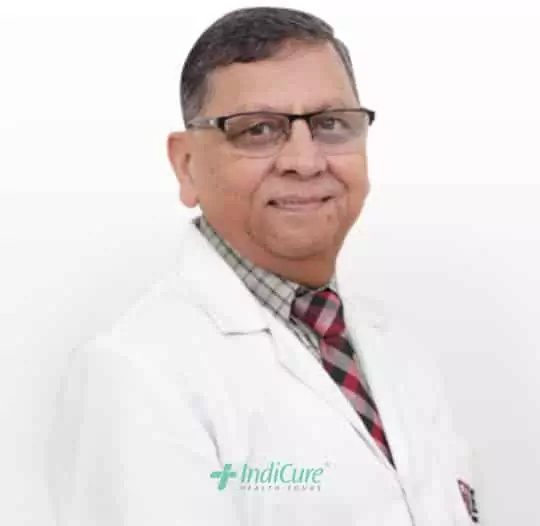
Dr. H S Bhatyal
MBBS, MS, MCh
40+ Years of Experience
Dr. H. S. Bhatyal is one of India's most known and skilled urological surgeons. He has more than 40 years of experience, with a focus on renal transplantation. He has received the Dr. CKP Menon Award and holds Limca Book of Records National Record Edition 2001 record holder.
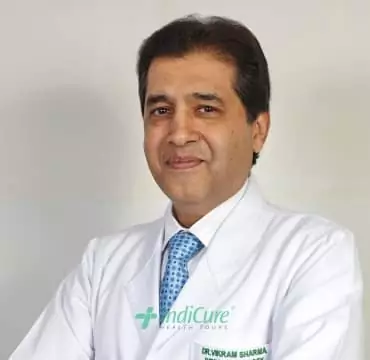
Dr. Vikram Sharma
MBBS, MS, Dipl (Urology)
30+ Years of Experience
With 30 years of clinical experience, Dr. Sharma is one of the most senior pioneers and inventors in the field of Indian Urology. He is the Director of Urology, Andrology, Robotics, and Kidney Transplant Surgery at Fortis Memorial Research Institute in Gurgaon, and is a nationally and internationally recognised expert.
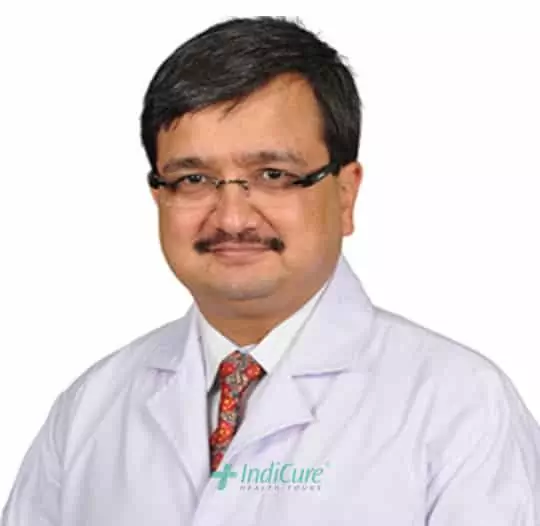
Dr. Pankaj Maheshwari
MBBS, MS, M.Ch
23+ Years of Experience
One of the most famous names in Urology in India, Dr Maheshwari received a Traveling Fellowship from the Societe Internationale d'Urologie in 1999-2000, which he used to train in Holmium laser urology in New Zealand and New York. In India, he was a pioneer in the use of the Holmium laser in urology.
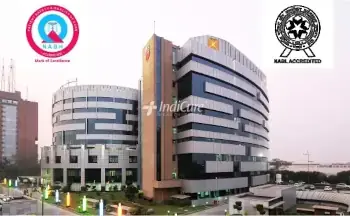
BLK Hospital
New Delhi
BL Kapur Memorial Hospital is one of the biggest standalone private hospitals in Delhi, NCR. Established by late Dr. B L Kapur, an eminent Obstetrician, and Gynecologist on invitation by then Prime Minister of India, Mr. Jawahar Lal Nehru. The institute went on to become one of Delhi's premier multi-specialty hospitals.
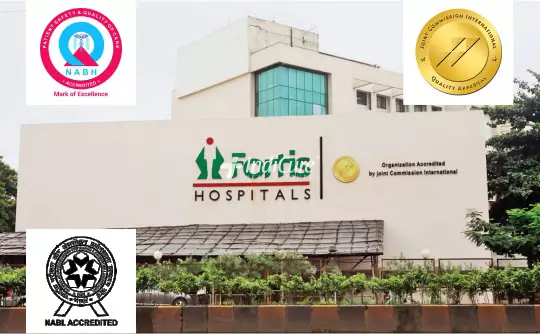
Fortis Hospital
Mumbai
Fortis Hospital, Mulund is a 300 bedded multispeciality tertiary care facility situated in the centre of the city, offering a range of clinical, diagnostic, and surgical services. The hospital began operations in 2002 and since then has achieved various milestones.
A combination of lifestyle changes and drugs may be used to prevent kidney stones.
Kidney stones can be detected using the following methods:
Most minor kidney stones do not require invasive treatment; instead, the following steps should be taken:
The composition of kidney stones is revealed through laboratory investigation. This information is used by the doctor to figure out why kidney stones form and how to prevent them.
In a small number of cases, the surgeon will treat you right away. If you have an infection, significant discomfort, or if your kidney function is impaired, if you only have one kidney or have had a kidney transplant, or if you have large stones or stones in both kidneys, you should get a kidney stone removed right away.
The kidney stone will pass in a few hours to weeks, most likely during urine. On average, it takes one to three weeks for stones to pass.
The optimal size for SWL is a stone with a diameter of less than 2 cm.
It should be avoided in the following situations:
Normally, no. Lithotripsy is usually performed as an outpatient procedure.
Advantage: The biggest benefit is that it cures kidney stones without requiring an incision, which cuts down on hospital stays and recovery time.
The disadvantage is that it does not always function. Within a month of receiving ESWL, approximately 58% of persons will be stone-free.A repeat procedure is sometimes required. ESWL has the potential to harm your kidneys.
Recovery period is usually extremely short; many people can return to their normal activities within one to two days.
Yes, you'll need to stay in the hospital for two or three days.
Patients leave the hospital stone-free after this treatment, and it is less invasive than a complete open surgery to treat a kidney stone.
In addition to the lithotripsy procedure cost in India, there are several other expenses you should plan for when organizing your medical trip to India. These include:
By accounting for these additional expenses along with the lithotripsy cost in India, you can create a comprehensive budget and ensure a smooth, comfortable recovery experience.
Beyond treatment coordination, IndiCure also helps international patients experience a more comfortable and meaningful healthcare journey in India.

We assist patients in accessing wellness retreats focused on relaxation, restorative care, and recovery support.
Know More >>
IndiCure helps patients access Ayurveda programs through selected wellness centers and experienced practitioners.
Know More >>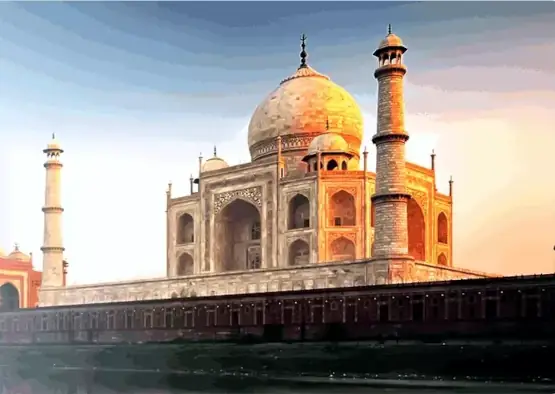
From cultural experiences and historical destinations to local guidance during recovery, IndiCure helps international visitors experience India in a comfortable and supportive environment.
Know More >>We handle every detail of your trip so you can focus entirely on your health and recovery:
The content provided on this website is intended for general educational purposes only and does not constitute professional medical advice, diagnosis, or treatment. While we maintain a comprehensive editorial policy to ensure the accuracy and reliability of our information, this content should not be utilized as a substitute for professional clinical care.
Individual Results: All "before and after" photographs are illustrative examples of potential outcomes; actual surgical results vary significantly by individual.
Mandatory Consultation: We strongly advise a personal, in-person evaluation with a board-certified surgeon to assess your specific medical needs and realistic procedural goals.
Surgical Risk: It is vital to maintain realistic expectations and fully understand potential complications before electing for surgery.