Curated By:
Dr. Anjali Mishra, BDS
Medically Reviewed By:
Dr. Harish Pamnani, MBBS, DCH
Last updated: Nov 06, 2026
Looking for the best kidney transplant surgeon in India? This page features 13 kidney transplant specialists in Mumbai, New Delhi, Gurugram, Faridabad and Noida, with experience in living- and deceased-donor transplants, ABO-incompatible and robotic transplants, and advanced urological surgery. Compare their qualifications, clinical experience and hospital affiliations, and check their official profiles to make an informed decision about kidney transplant treatment in India with IndiCure Health Tours.
Kidney transplantation requires a multidisciplinary team and careful evaluation of the patient's medical condition, donor compatibility, and surgical needs. The right surgeon depends on the complexity of the case, transplant experience, and the facilities available at the treating hospital.
IndiCure evaluates surgeons featured on this page against its 15-Point Surgeon Selection Criteria, covering qualifications, clinical experience, subspecialty training, and hospital accreditation. Links to official profiles are provided to help you verify their credentials. We don't charge patients for recommendations, and no doctor or hospital is featured in exchange for a financial arrangement.
The doctors below are listed in no particular order.

Gurugram
Experience: 25+ years
Hospital: Medanta - The Medicity
Speciality: Renal Transplant, Robotic Uro-Oncology, Reconstructive Urology
Qualification: MBBS, MS (General Surgery), MCh (Urology), DNB (Urology / Genito-Urinary Surgery), MNAMS
Fellowships and Training: Robotic Surgery Certification (da Vinci Training Center, Intuitive Surgical, California, USA)
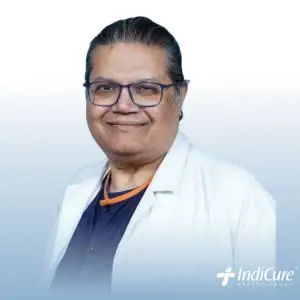
Mumbai
Experience: 34+ years
Hospital: Gleneagles Hospital
Speciality: Urology, Kidney Transplantation, Laparoscopic Donor Nephrectomy, Robotic Urology, Endourology, Uro-Oncology and Vascular Access Surgery
Qualification: MBBS, DNB (Urology), FRCS (Edinburgh), FRCS (Glasgow), MNAMS, FICS
Fellowships and Training: Visiting Fellowship in Laparoscopic Urology, Cleveland Clinic Foundation, USA (2000); Visiting Fellowship in Reconstructive Urology, University of California, USA (2000); Visiting Fellowship in Pediatric Urology, Southwestern Children's Hospital, USA (2000); Training in Robotic Surgery at Muljibhai Patel Urological Hospital, Nadiad, and the University of Southern California, Los Angeles; Diploma in Laparoscopic Urology, University Louis Pasteur, Strasbourg, France
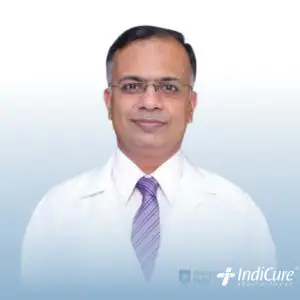
Mumbai
Experience: 26+ years
Hospital: Nanavati Max Superspecialty Hospital
Speciality: Kidney Transplantation, Uro-Oncology, Robotic and Laparoscopic Urology, Endourology and Laser Surgery
Qualification: MBBS, MS (General Surgery), DNB (General Surgery), MCh (Genito-Urinary Surgery), DNB (Genito-Urinary Surgery), MNAMS, MRCS (Edinburgh)
Fellowships and Training: Fellowship in Advanced Laparoscopic and Robotic Urology, Guildford, UK; Training in Laparoscopic and Robotic Urology, Indiana University–Purdue University Indianapolis (IUPUI), USA; Fellowship in Endourology, Mumbai; Hargobind Foundation Fellowship; Birla Smarak Foundation Fellowship; Eagle Travelling Fellowship, Urological Society of India
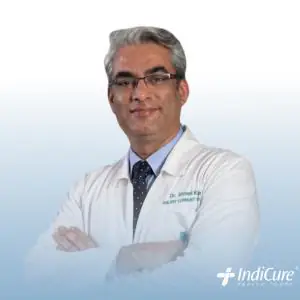
Navi Mumbai
Experience: 15+ years
Hospital: Apollo Hospitals
Speciality: Kidney Transplantation, Robotic Urology, Uro-Oncology, Endourology
Qualification: MBBS, MS (General Surgery), DNB (Urology), MNAMS
Fellowships and Training: DNB in Urology and Senior Registrar in Urology at Apollo Hospitals, Chennai; Certified Robotic Surgeon since November 2017
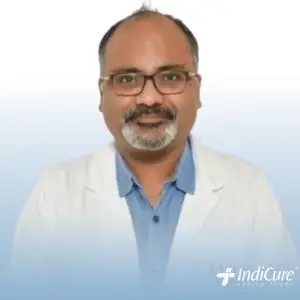
Gurugram
Experience: 15+ years
Hospital: Artemis Hospital
Speciality: Uro-Oncology, Paired Kidney Exchange, ABO-Incompatible Kidney Transplantation and Deceased-Donor Kidney Transplantation
Qualification: MBBS, MS (General Surgery), MCh (Urology and Kidney Transplant), DNB (Genitourinary Surgery)
Fellowships and Training: Fellowship in Minimally Invasive and Robotic Urology; Observership Fellowship in Robotic Urologic Surgery, University of Miami, USA; International Travel Fellowship Award from the American Urological Association-Urological Society of India (AUA-USI), 2015
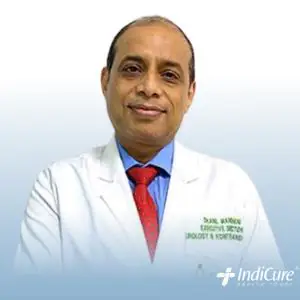
Gurugram
Experience: 35+ years
Hospital: Fortis Memorial Research Institute (FMRI)
Speciality: Robotic Urological Surgery, Uro-Oncology, Reconstructive Urology and Complex Kidney Transplant Surgery
Qualification: MBBS, MS (General Surgery), MCh (Urology), DNB (Urology)
Fellowships and Training: Clinical Fellowship in Robotic Uro-Oncology at NewYork-Presbyterian Hospital and Weill Cornell Medical College, New York, USA (2006-2007); Fellowship in Robotic Surgery at the Brady Urological Institute, Weill Cornell Medical College, New York, USA; Fellow of the American College of Surgeons (FACS), awarded in 2012

New Delhi
Experience: 37+ years
Hospital: BLK-Max Super Speciality Hospital
Speciality: Kidney Transplantation, Renal Transplant Surgery, Reconstructive Urology, Laparoscopic Urology, Endourology and Andrology
Qualification: MBBS, MS (General Surgery), MCh (Urology)
Fellowships and Training: Urological Society of India (USI) Travel Fellowship in Renal Transplantation at Christian Medical College (CMC), Vellore, and Apollo Hospitals, Chennai, in 1990; Fellow of the International College of Surgeons (FICS)

New Delhi
Experience: 39+ years
Hospital: Max Super Speciality Hospital, Saket
Speciality: Kidney Transplantation, Urology, Robotic Urological Surgery, Uro-Oncology, Laparoscopic Urology and Reconstructive Urology
Qualification: MBBS, MS (General Surgery), MCh (Urology), DNB (Urology)
Fellowships and Training: Advanced clinical training at Monash Medical Centre, Melbourne, Australia; Further training at Cleveland Clinic, Ohio, USA; Additional training at Johns Hopkins Hospital, Baltimore, USA; Further training in urology at institutions in Newcastle upon Tyne and Cambridge, UK

Mumbai
Experience: 18+ years
Hospital: Kokilaben Dhirubhai Ambani Hospital
Speciality: Kidney Transplantation, Robotic Urology, Laparoscopic Urology, Reconstructive Urology, Laser Surgery for Kidney Stones and Prostate Disorders
Qualification: MBBS, MS (General Surgery), MCh (Urology)
Fellowships and Training: Fellowship in Advanced 3D Laparoscopic Urology & Renal Transplant (Kochi, India & Aesculap, Germany)
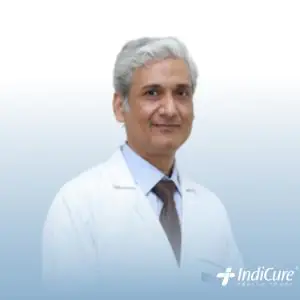
New Delhi
Experience: 20+ years
Hospital: BLK-Max Super Speciality Hospital
Speciality: Kidney Transplantation, Robotic Urology, Uro-Oncology, Laparoscopic Urology, Pediatric Urology, Reconstructive Urology and Andrology
Qualification: MBBS, MS (General Surgery), DNB (Genitourinary Surgery)
Fellowships and Training: Observership at the Johns Hopkins Brady Urological Institute, Baltimore, USA; Urological Society of India (USI) Travel Fellowship to attend the American Urological Association meeting in Washington, DC, in 2011

Noida
Experience: 41+ years
Hospital: Max Super Speciality Hospital
Speciality: Kidney Transplantation, Robotic Kidney Transplantation, Urology, Robotic Urological Surgery, Laparoscopic Donor Nephrectomy and Uro-Oncology
Qualification: MBBS, MS (General Surgery), MNAMS, MCh (Urology)
Fellowships and Training: MCh in Urology, AIIMS, New Delhi; Clinical Assistant and Honorary Lecturer, Institute of Urology and Nephrology, University College London Hospitals, UK; international clinical and academic experience at Mount Sinai Hospital, New York
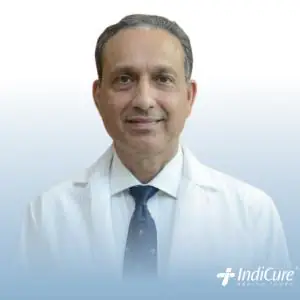
Mumbai
Experience: 30+ years
Hospital: Sir H. N. Reliance Foundation Hospital and Research Centre
Speciality: Urology, Kidney Transplantation, Renal Transplant Surgery, Uro-Oncology and Endourology
Qualification: MBBS, MS (General Surgery), MCh (Urology), DNB (Urology), FRCS (Glasgow)
Fellowships and Training: Urology training at K. E. M. Hospital, Mumbai; Advanced training at the Institute of Urology and Middlesex Hospitals, London; Specialized training in Urologic Oncology and Reconstructive Urology in London; Specialized training in Pediatric Urology at Great Ormond Street Hospital for Children, London; Served as Consultant Transplant Surgeon at the Institute of Urology, London, from 1993 to 1995
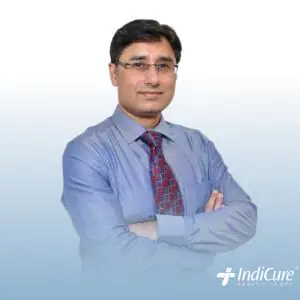
Faridabad
Experience: 20+ years
Hospital: Amrita Hospital
Speciality: Kidney Transplantation, Endourology, Reconstructive Urology and Andrology
Qualification: MBBS, MS (General Surgery), DNB (Genito-Urinary Surgery)
Fellowships and Training: DNB training in Genito-Urinary Surgery at Army Hospital (Research & Referral), New Delhi; USI International Travel Fellowship to the European Urology Residents Education Programme, Prague (2011); Certification in robotic surgery (da Vinci Xi, 2022); Certification course in Vascular Access, Mumbai (2023)
The surgeons on this page perform a range of kidney transplant and related procedures. Not every surgeon offers every procedure, so check the individual profiles or ask IndiCure which surgeon suits your case.
There is no single best kidney transplant surgeon for every patient. The right choice depends on your medical condition, your donor’s blood group and compatibility, whether you need an advanced procedure such as an ABO-incompatible or robotic transplant, and the city and hospital that suit you. The surgeons on this page are experienced in kidney transplantation at accredited hospitals in Mumbai, Navi Mumbai, New Delhi, Gurugram, Faridabad and Noida, and their official profiles are linked so that you can check their credentials.
Choose a surgeon with formal training in urology or transplant surgery (MCh or DNB), regular experience in kidney transplants, and a hospital with an approved transplant programme. Also check that the hospital has a dedicated transplant ICU, transplant nephrologists and a transplant coordinator. If your case is complex, ask whether the team offers ABO-incompatible transplants, paired exchange or laparoscopic donor surgery.
A kidney transplant is carried out by a team, not by one doctor. The transplant surgeon performs the operation on the recipient and removes the donor’s kidney. The nephrologist (transplant physician) assesses the patient and donor, plans anti-rejection treatment and manages follow-up. Anaesthetists, transplant coordinators, ICU nurses, dietitians and counsellors support the patient before and after surgery.
You may be eligible if you have end-stage kidney disease or kidney failure and are fit enough for major surgery. Before approval, the transplant team checks your heart, lungs, infections, cancer history and overall health. Age alone does not rule out a transplant, but every patient is assessed individually.
No. If a suitable living donor is available, a transplant can sometimes be done before dialysis starts. This is called a pre-emptive transplant. Your nephrologist will advise on the right time based on your kidney function and overall health.
Foreign nationals usually need a living donor who is a near relative. Under India's Transplantation of Human Organs and Tissues Act (THOTA), near relatives include a spouse, parent, child, brother, sister, grandparent or grandchild. The donor must be medically fit, give consent freely and have the relationship documented.
Every living-donor transplant must be approved by the hospital's or state's authorisation committee before surgery. For foreign nationals, the committee also needs a certificate from the patient's embassy or high commission confirming the donor relationship, along with identity documents and proof of the relationship. IndiCure helps you prepare these documents before you travel.
A deceased-donor kidney cannot be planned or guaranteed for international patients. Organs from deceased donors are allocated through national and state waiting lists, and Indian citizens are given priority. An organ is offered to a foreign national only if no suitable Indian recipient is available.
Both need blood group and tissue (HLA) typing, a crossmatch, kidney function tests, infection screening, and heart and imaging tests. The donor also has scans to check the structure and blood supply of both kidneys. Sharing recent reports before you travel helps the team plan and can shorten your stay in India.
A transplant may still be possible. Some hospitals in India perform ABO-incompatible kidney transplants, where the recipient receives treatment to lower antibodies before surgery. Paired kidney exchange, where two incompatible donor-recipient pairs swap donors, is another option at selected centres. Your transplant team will advise which option, if any, suits your case.
In a robotic kidney transplant, the surgeon uses a robotic system through small incisions instead of one large cut. For some patients, this may mean less pain, a smaller scar and a faster recovery. It is available at selected hospitals and is not suitable for everyone, so your surgeon will decide whether it is right for you.
For a carefully assessed healthy donor, kidney donation is generally considered safe, and most donors lead a normal life with one kidney. The donor's kidney is usually removed by laparoscopic (keyhole) surgery. As with any operation, there are risks, so donors are fully evaluated beforehand and advised to have regular check-ups afterwards.
The recipient's operation usually takes about 3 to 4 hours, and the donor's surgery is done at around the same time in a nearby theatre. The exact time depends on the complexity of the case.
Most international patients should plan for about 4 to 6 weeks in India. This covers pre-transplant tests and approvals, surgery and hospital recovery, and early follow-up visits while kidney function and medicine levels are monitored. The donor is usually discharged sooner. Your treating team will confirm the timeline for your case.
The main risks are rejection of the new kidney, infections, bleeding, blood clots and side effects of anti-rejection medicines. Most of these can be monitored and treated when they are found early, which is why regular blood tests and follow-up visits after the transplant are important.
Rejection happens when the body's immune system attacks the new kidney. It is prevented with anti-rejection (immunosuppressive) medicines that must be taken every day, for as long as the kidney works. Regular blood tests help doctors find rejection early, when it can often be treated.
According to the National Kidney Foundation, a kidney from a living donor lasts about 15 to 20 years on average, and one from a deceased donor about 10 to 15 years. Many last longer. Taking your medicines exactly as prescribed and attending follow-up visits help the kidney last as long as possible.
The cost depends on the hospital and city, whether the transplant is ABO-compatible, the length of stay and any complications. See our Kidney Transplant Cost in India guide for current price ranges, or send your reports to IndiCure for a free, personalised quote.
Patients travel on an Indian Medical Visa (or e-Medical Visa), and the donor and family members travel on a Medical Attendant Visa linked to the patient's visa. IndiCure provides a visa invitation letter from the treating hospital once the treatment plan is confirmed.
You will need to take anti-rejection medicines for life and have regular blood tests to check kidney function and medicine levels. Your transplant team in India will give you a written follow-up plan for your local nephrologist, and IndiCure can arrange video consultations with your surgeon or nephrologist.
Yes. Share your medical reports, along with your donor's blood group and details, with IndiCure. We can arrange an opinion or a video consultation with a surgeon from this page before you decide to travel.
This page was written by Dr. Anjali Mishra, BDS, and medically reviewed by Dr. Harish Pamnani, MBBS, DCH.
This information is for educational purposes only. IndiCure facilitates medical travel and does not provide medical advice, diagnosis, or treatment. Kidney transplantation requires assessment by a qualified transplant team. Eligibility, treatment options, risks and outcomes vary from patient to patient.
Each kidney transplant surgeon's qualifications, experience and hospital affiliation are reviewed against IndiCure's 15-Point Surgeon Selection Criteria, using official hospital profiles and the National Medical Commission register where applicable. Surgical volumes, awards and other professional achievements are presented as reported by the surgeon or hospital.
Credentials were last verified in October 2026.
Privacy Note: Your medical information is handled confidentially and is used only for patient support and treatment coordination.
We handle every detail of your trip so you can focus entirely on your health and recovery:
The content provided on this website is intended for general educational purposes only and does not constitute professional medical advice, diagnosis, or treatment. While we maintain a comprehensive editorial policy to ensure the accuracy and reliability of our information, this content should not be utilized as a substitute for professional clinical care.
Individual Results: All "before and after" photographs are illustrative examples of potential outcomes; actual surgical results vary significantly by individual.
Mandatory Consultation: We strongly advise a personal, in-person evaluation with a qualified surgeon to assess your specific medical needs and realistic procedural goals.
Surgical Risk: It is vital to maintain realistic expectations and fully understand potential complications before electing for surgery.