
Chemotherapy Cost in India
Written By:
Dr. Chhaya Rakh
Medically Reviewed By:
Dr. Harish Pamnani, MBBS, DCH
Last updated: Oct 20, 2026
Written By:
Dr. Chhaya Rakh
Medically Reviewed By:
Dr. Harish Pamnani, MBBS, DCH
Last updated: Oct 20, 2026
Chemotherapy Cost in India starts from US $300 and can go upto US $3000. Chemotherapy cost in India varies depending on your medical history and health condition, stage of the cancer, type of chemotherapy given, drugs used in chemotherapy, whether given alone or in combination with other your treating doctor's seniority and experience, hospital and the city where you choose to get the treatment done.
In fact, we have Special Negotiated Rates with the Hospitals and you can avail Discounted Rates when you choose to Travel with IndiCure.


We Help you Choose the Right Treatment, Surgeon & Hospital

We Arrange Video/Telephonic Consultation with the Surgeon

We Assist you with Visa & Accommodation

We Receive you at the Airport and Drop you at Hotel/Hospital

We Assist you the at Hospital & Provide Post Operative Support
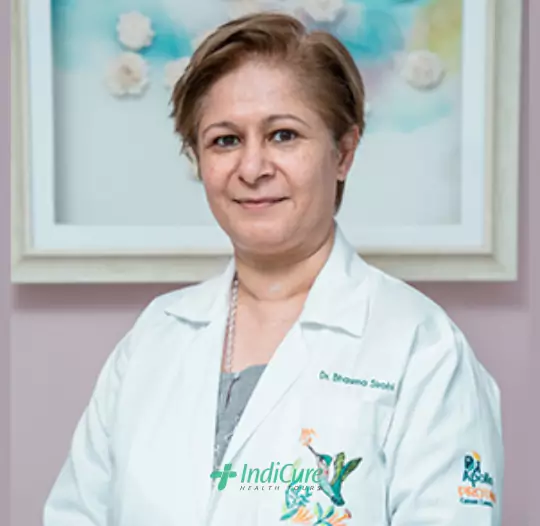
Dr. Bhawna Sirohi
MBBS, DCH, FRCP
25+ Years of Experience
Dr. Bhawna Sirohi is a renowned Medical Oncologist with more than 25 years of experience. She is a well-known senior consultant who specializes in treating Breast Oncology and Gastrointestinal Cancers all over the world.
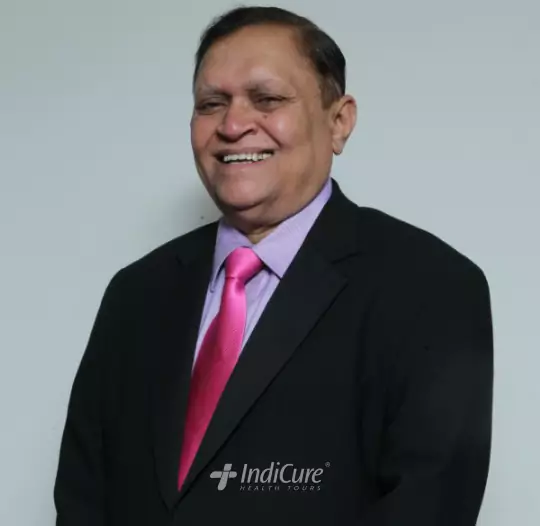
Dr. K S Gopinath
MBBS, MS, Honorary FRCS and FAMS
45+ Years of Experience
Dr. Gopinath specializes in breast, head and neck, and cervical cancer surgeries. His research includes head and neck surgery, laparoscopic vs. conventional approaches, rectal cancer, and yoga's impact on cancer.
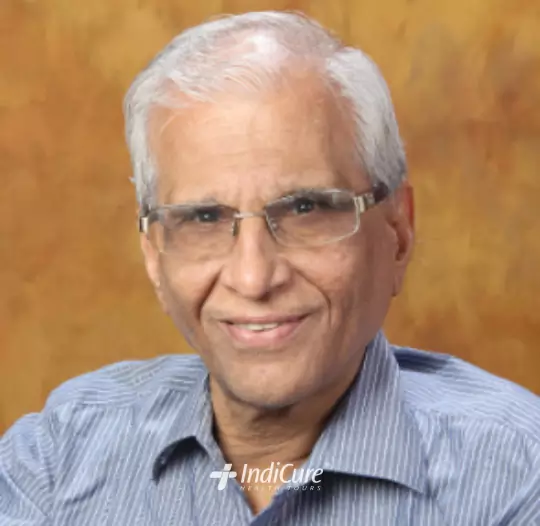
Dr. Prof Suresh H. Advani
MBBS, MD, Fellowship
43+ Years of Experience
Dr. Suresh H. Advani is an expert physician, pediatrician, and hemato-oncologist. He has received India's highest civilian accolades, the Padma Bhushan Award in 2012 and the Padma Shri Award in 2002, from the Indian government.
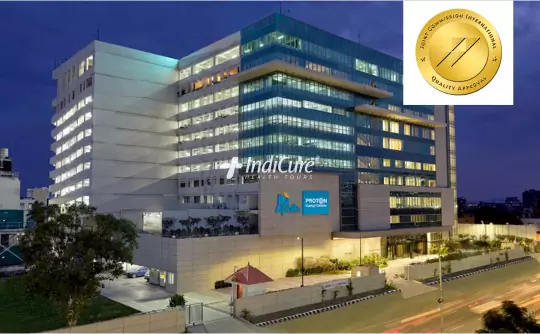
Apollo Proton Cancer Centre
Chennai
The Apollo Proton Cancer Centre (APCC) is South Asia's and the Middle East's first and only proton therapy centre, as well as India's first JCI-accredited cancer hospital. The APCC includes a completely integrated treatment suite that provides the most advanced surgical, radiation, and medical procedures available. The Centre brings together a remarkable team of clinicians renowned globally in cancer care, in keeping with the Apollo Pillars of Expertise and Excellence.
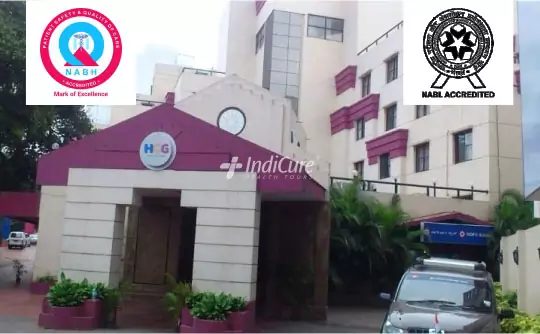
HCG Hospital
Bangalore
HCG- HealthCare Global Enterprises Ltd, is the specialized chain of hospitals in cancer care headquartered in Bangalore. Founded by Dr. Ajaikumar, a renowned medical and radiation oncologist with 40 years of experience, HCG has 26 centres across India with its largest facility in Bangalore.
HCG Hospital Bangalore is not only the most advanced facility for cancer care in India, it is a Centre of Excellence for most advanced cancer care and research.
Chemotherapy is a treatment that uses chemicals to kill cancer cells. It usually acts by preventing cancer cells from growing, dividing, or proliferating. Chemotherapy has a greater effect on cancer cells because they grow and divide quicker than normal cells.
Chemotherapy aims are determined by the type of cancer and how far it has spread. The goal of treatment is sometimes to eradicate all cancer and prevent it from returning. If this is not possible, you may be given chemotherapy to help slow or stop the progression of your cancer.
Chemotherapy can help manage cancer symptoms by delaying or decreasing their progression. Palliative chemotherapy is a type of chemotherapy used to slow the progression of cancer.
Chemotherapy is frequently administered for a set period of time, such as six months or a year. Alternatively, you could undergo chemotherapy for as long as it is effective. For example, you could receive chemotherapy on the first day and then rest for three weeks before continuing the treatment. A treatment cycle is a three-week period. A chemotherapy course is made up of several cycles. A typical course lasts three months or longer.
Doctors use chemotherapy in different ways at different times. These include:
Some chemotherapy medications have been found to be effective in the treatment of other illnesses, including:
We at IndiCure completely understand your concerns and it is always our endeavor to provide the best outcome for every patient. Following is the list of questions you must ask before you embark on your journey for chemotherapy in India.
Prepare to answer questions about your:
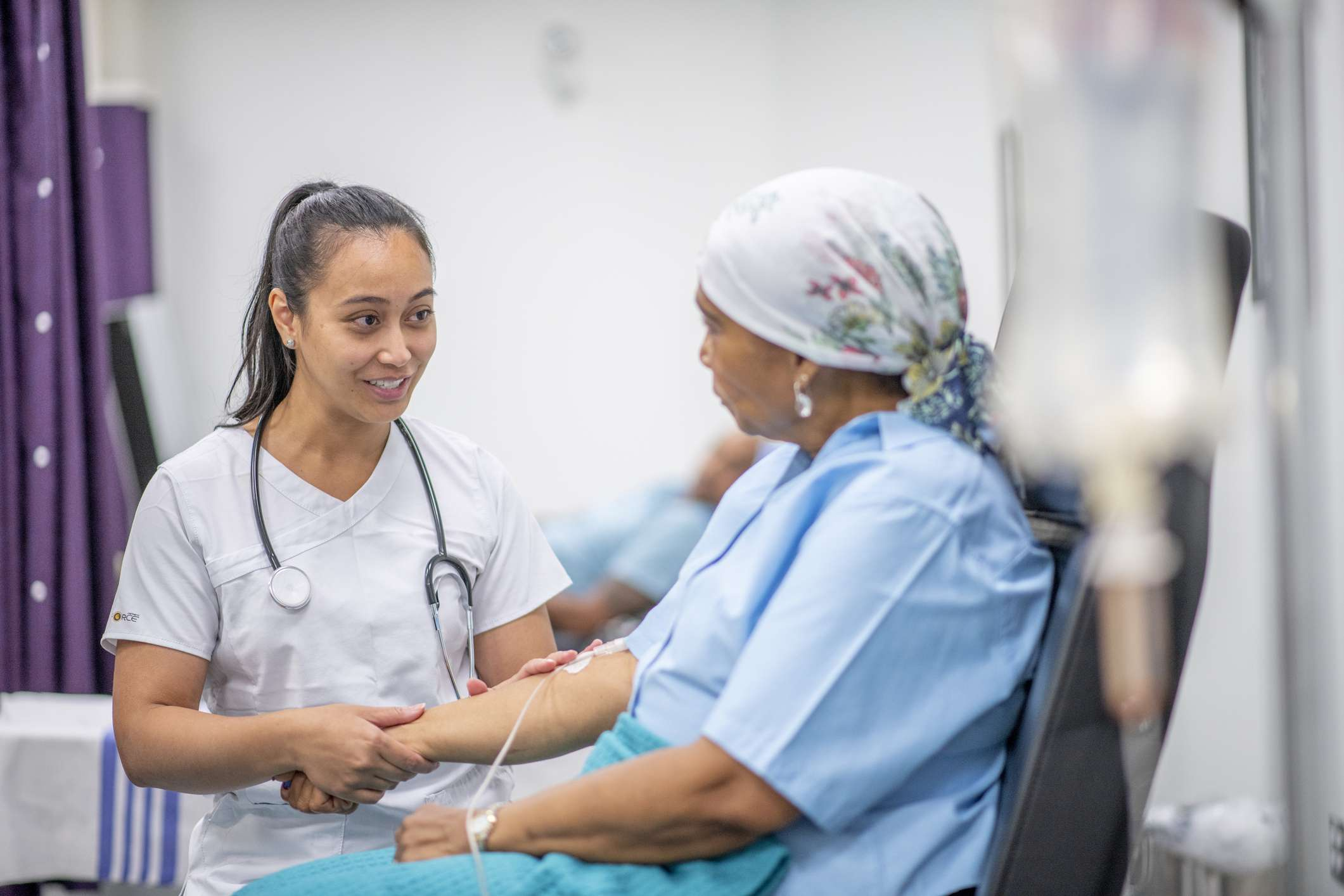
Chemotherapy may be given in several different ways, which are discussed below:
During chemotherapy, you'll see your cancer doctor (oncologist) on a frequent basis. Your oncologist will inquire about any adverse effects you're having, as many of them can be managed.
You may also have scans and other tests to monitor your cancer during chemotherapy treatment, depending on your situation. These tests can help your doctor figure out how your cancer is reacting to treatment and change your treatment accordingly.
The most common and immediate side effects of chemotherapy are nausea, vomiting, hair loss, loss of appetite, diarrhea, fatigue, fever, constipation, bleeding or bruising.
Most of the above side effects subside after the treatment ends.
There are long term side effects of chemotherapy as well. These side effects that don't show up for months or years after treatment. The examples of late adverse effects that can occur based on the chemotherapy drug are heart problems, infertility, nerve damage, damage to lung tissue or risk of developing other cancer.
You must check with your doctor if you are at risk of developing late side effects and what signs or symptoms should you look for that may signal a problem.
Your doctor will decide which chemotherapy medications you'll get based on a number of criteria, including your age, type and stage of cancer, your overall health, if you have had any previous chemotherapy or other treatments and the goal of the treatment.
Chemotherapy can be used alone or in combination with other treatments. It could be given once a week or once a month. The sort of cancer you have, the chemotherapy medications you'll be given, the treatment goal, and how your body reacts will all influence your treatment plan.
The majority of side effects are transient and fade away over time as healthy cells recover after chemotherapy, but some long-term consequences, such as those on fertility, the heart, and the kidneys, may be permanent.
The cost of chemotherapy in India is much lower in India, even in large cosmopolitan cities. Chemotherapy costs in Mumbai range from 650 to 2000 dollars per cycle. The cost of treatment is determined by the drug, the number of travelers, the number of cycles of chemotherapy prescribed for the cancer stage, and various other factors.
While surgery and radiation treatment target cancer cells in a specific location, chemotherapy can affect cancer cells throughout the body.
Drugs can be administered in a variety of ways, such as by mouth, as a shot, as a cream, or intravenously (by IV), and your doctor will determine which method is appropriate for you.
It's a gadget that regulates the amount and rate at which chemotherapy medications are given.
A catheter is a small disc that is implanted under your skin and connects to a large vein, usually in your chest, to administer chemotherapy drugs or draw blood.
The length of a cycle is determined by the treatment administered. Most cycles last between 2 and 6 weeks.
Chemotherapy-induced pain is a type of nerve discomfort that causes numbness and tingling in the hands, foot, or any other extremity of the body.
The majority of chemotherapy treatments are delivered in cycles. Chemotherapy in "cycles" refers to a treatment period followed by a period of recovery. For example, a three-week cycle can consist of one week of therapy followed by two weeks of relaxation. The time you spend resting permits your body to produce new, healthy cells.
The length of a cycle is determined by the treatment. The majority of cycles last between 2 and 6 weeks.
Privacy Note: Your medical information is handled confidentially and is used only for patient support and treatment coordination.
Beyond treatment coordination, IndiCure also helps international patients experience a more comfortable and meaningful healthcare journey in India.

We assist patients in accessing wellness retreats focused on relaxation, restorative care, and recovery support.
Know More >>
IndiCure helps patients access Ayurveda programs through selected wellness centers and experienced practitioners.
Know More >>
From cultural experiences and historical destinations to local guidance during recovery, IndiCure helps international visitors experience India in a comfortable and supportive environment.
Know More >>We handle every detail of your trip so you can focus entirely on your health and recovery:
The content provided on this website is intended for general educational purposes only and does not constitute professional medical advice, diagnosis, or treatment. While we maintain a comprehensive editorial policy to ensure the accuracy and reliability of our information, this content should not be utilized as a substitute for professional clinical care.
Individual Results: All "before and after" photographs are illustrative examples of potential outcomes; actual surgical results vary significantly by individual.
Mandatory Consultation: We strongly advise a personal, in-person evaluation with a board-certified surgeon to assess your specific medical needs and realistic procedural goals.
Surgical Risk: It is vital to maintain realistic expectations and fully understand potential complications before electing for surgery.