Curated By:
Dr. Anjali Mishra
Medically Reviewed By:
Dr. Harish Pamnani
Last updated: Sep 29, 2026
Few medical decisions carry higher stakes than choosing who operates on the brain. The neurosurgeons listed below treat brain tumours, aneurysms and other vascular conditions, epilepsy, movement disorders and skull base conditions, and many offer Gamma Knife or Cyberknife radiosurgery.
Neurosurgeon qualifications, specialities, hospital affiliations and professional credentials are reviewed against IndiCure's 15-Point Surgeon Selection Criteria and verified, where possible, through official hospital and specialist sources. Surgical volumes and awards are as reported by the surgeon or hospital. Credentials last verified September 2026.
Looking for spine surgery? See our top spine surgeons in India page.
The specialists below are listed in no particular order. This list is not a ranking.

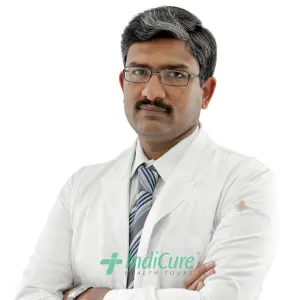
Mumbai
Experience: 15+ years
Hospital: Wockhardt Hospitals, Mumbai Central
Speciality: Brain Tumour & Skull Base Surgery, Cerebrovascular Surgery, Craniovertebral Junction Surgery
Qualification: MBBS, MCh (Neurosurgery)
Fellowships: Fellowship in Skull Base Surgery & Neuro-Oncology, Toronto Western Hospital, Canada; Fellowship in Complex & Minimally Invasive Spine Surgery, Rush University, Chicago, USA; further specialised training in cerebrovascular and bypass surgery, Shanghai, China
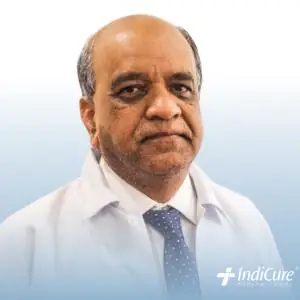
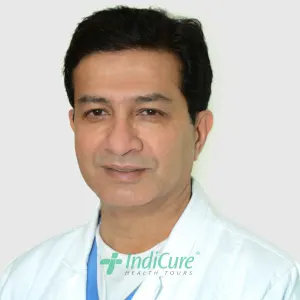
Mumbai
Experience: 42+ years
Hospital: Nanavati Max Superspecialty Hospital
Speciality: Neuro-Oncology, Cerebrovascular & Skull Base Surgery, Trigeminal Neuralgia Surgery
Qualification: MBBS, MS (General Surgery), MCh (Neurosurgery)
Fellowships and Training: Advanced training, Beaumont Hospital, Dublin, Ireland; travelling fellowships, Mount Sinai Hospital, New York, and Fujita Health University, Japan
Gurugram
Experience: 32+ years
Hospital: Artemis Hospital
Speciality: Brain Tumour Surgery, CNS Radiosurgery, Deep Brain Stimulation
Qualification: MBBS, MCh (Neurosurgery)
Fellowships and Training: Fellowship, CJW Medical Center, Richmond, Virginia, USA; advanced training at the University of Amsterdam, Hôpital Pitié-Salpêtrière (Paris), University of Marseille, Wake Forest University (USA) and University of Kiel (Germany)
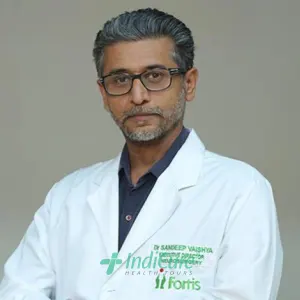
New Delhi
Experience: 29+ years
Hospital: Max Super Speciality Hospital, Saket
Speciality: Endoscopic Brain & Spine Surgery, Skull Base Tumour Surgery, Motion-Preserving Spine Surgery
Qualification: MBBS, MS (General Surgery), MCh (Neurosurgery)
Fellowships and Training: Training in Endoscopic Spine Surgery, University of Mainz, Germany; Training in Functional and Stereotactic Neurosurgery, St. Vincent Hospital, Sydney; Training in Minimally Invasive Spine Surgery, Medical Education and Research Institute, Texas, USA; neuro-navigation and intra-operative MRI training, University of Erlangen, Germany
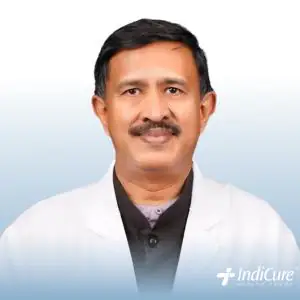
Gurugram
Experience: 30+ years
Hospital: Fortis Memorial Research Institute (FMRI)
Speciality: Minimally Invasive Neurosurgery, Gamma Knife Radiosurgery, Brachial Plexus & Peripheral Nerve Surgery
Qualification: MBBS, MS (General Surgery), MCh (Neurosurgery)
Fellowships and Training: Sundt Fellowship, Mayo Clinic, USA
Faridabad
Experience: 28+ years
Hospital: Amrita Hospital
Speciality: Neuro-Oncology, Movement Disorder Surgery, Endoscopic Neurosurgery
Qualification: MBBS, MS (General Surgery), MCh (Neurosurgery), DNB (Neurosurgery)
Fellowships and Training: Neuro-Oncology Fellowship, University of Toronto (Hospital for Sick Kids and Toronto Western Hospital), Canada; Gamma Knife radiosurgery training, University of Pittsburgh; LINAC-based radiosurgery training, Berlin, Germany; stereo-EEG training for epilepsy surgery, Montreal, Canada
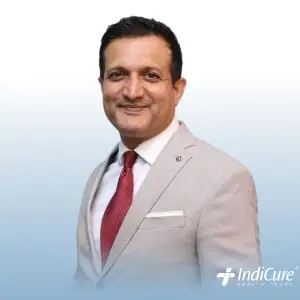
Mumbai
Experience: 25+ years
Hospital: Gleneagles Hospital, Parel
Speciality: Endovascular & Vascular Neurosurgery, Stroke Intervention, Complex Spine Surgery
Qualification: MBBS, MS (General Surgery), MCh (Neurosurgery)
Fellowships and Training: Fellowship in Vascular Neurosurgery, Barrow Neurological Institute, Arizona, USA (2007); Fellowship in Endovascular Neurosurgery, Fujita Health University, Japan (2009)
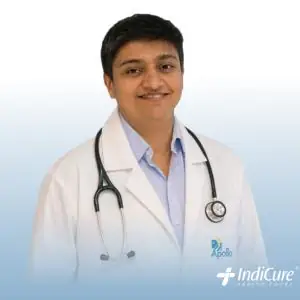
Mumbai
Experience: 20+ years
Hospital: Apollo Hospitals, Navi Mumbai
Speciality: Skull Base & Vascular Neurosurgery, Craniovertebral Junction Surgery, Neuro-Oncology
Qualification: MBBS, MS (General Surgery), MCh (Neurosurgery) — Gold Medalist
Fellowships and Training: Fellowship in Endovascular Surgery
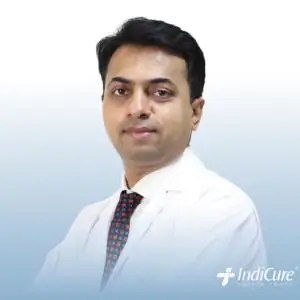
Mumbai
Experience: 15+ years
Hospital: Fortis Hospital, Mulund, Mumbai
Speciality: Minimally Invasive Endoscopic Cranial & Spine Surgery, Skull Base Surgery, Epilepsy Surgery
Qualification: MBBS, MS (General Surgery), MCh (Neurosurgery)
Fellowships and Training: Endoscopic skull base surgery course, AOTS, Tokyo, Japan; epilepsy surgery training, Sree Chitra Tirunal Institute, Kerala
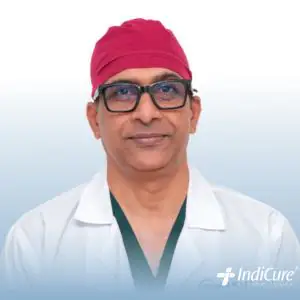
Mumbai
Experience: 20+ years
Hospital: Kokilaben Dhirubhai Ambani Hospital (KDAH)
Speciality: Minimally Invasive Neurosurgery, Brain Tumour Surgery, Craniovertebral Junction Surgery
Qualification: MBBS, MS (General Surgery), DNB (General Surgery), FRCS (General Surgery), FRCS (Neurosurgery)
Fellowships and Training: Neurosurgery training, Institute of Neurosciences, Glasgow, UK; Minimally Invasive Spine Surgery, UK; Stereotactic Radiosurgery, UK
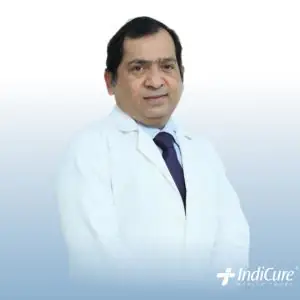
New Delhi
Experience: 32+ years
Hospital: BLK-Max Super Speciality Hospital
Speciality: Neuro-Endoscopy, Functional Neurosurgery, Traumatic Brain Injury
Qualification: MBBS, MS (General Surgery), MCh (Neurosurgery)
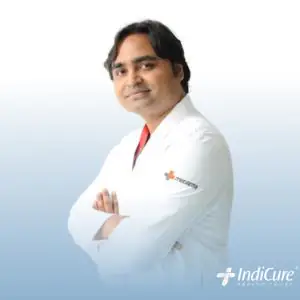
Gurugram
Experience: 15+ years
Hospital: Medanta — The Medicity
Speciality: Endoscopic Skull Base Surgery, Minimally Invasive Spine Surgery, Functional Neurosurgery (DBS)
Qualification: MBBS, MS (General Surgery), MCh (Neurosurgery)
Fellowships and Training: Short-term international training in endoscopy, Samsung Medical Center, Seoul, South Korea, and Fujita Health University, Japan
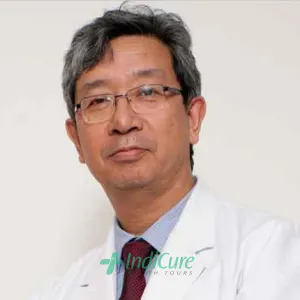
Gurugram
Experience: 32+ years
Hospital: Fortis Memorial Research Institute (FMRI), Gurugram
Speciality: Neurosurgery — Minimally Invasive Brain Surgery, Skull Base Surgery, Neurovascular Surgery
Qualification: MBBS, MS (General Surgery), MCh (Neurosurgery)
Fellowships and Training: Fellowship in Neurosurgery, Newcastle, UK
| Procedure | Starting price (US$) |
|---|---|
| Brain tumour surgery (craniotomy) | 4,900 |
| Gamma Knife or Cyberknife radiosurgery | 6,500 |
| Endoscopic pituitary tumour surgery | 7,000 |
| Brain aneurysm clipping or coiling | 9,000 |
| Deep Brain Stimulation | 18,000 |
Prices as of September 2026. Starting prices only, not final bills.
The final cost depends on the procedure, the size and location of the problem, the hospital, the length of your stay, implants or devices used, and your recovery. Ask for a written, itemised estimate after your scans have been reviewed.
Brain surgery is major surgery, and its risks depend on the condition, its location and your overall health. Possible complications include bleeding, infection, seizures, brain swelling, blood clots, leakage of spinal fluid, and new or worsening problems with speech, movement, vision or memory, which may be temporary or permanent. Radiosurgery avoids an incision but can cause swelling or other radiation effects. Your neurosurgeon should explain the specific risks of your procedure, and the alternatives, before you decide.
Brain tumour surgery (craniotomy) removes or reduces a tumour through an opening in the skull, and is usually used for larger or more accessible tumours. Radiosurgery, such as Gamma Knife or Cyberknife, delivers precisely focused radiation without an incision, and is generally used for smaller tumours or where open surgery carries higher risk. Deep Brain Stimulation (DBS) is different: it implants electrodes to regulate abnormal brain activity in movement disorders such as Parkinson's disease, rather than treating a tumour. Your neurosurgeon will recommend an approach after reviewing your scans.
Yes. Several centres on this list offer Deep Brain Stimulation for Parkinson's disease and other movement disorders, typically through a joint evaluation by a movement-disorders neurologist and a functional neurosurgeon. Whether DBS is suitable depends on the specific diagnosis and disease stage, and is confirmed only after the combined team reviews the patient's history and imaging.
Clipping is open surgery in which the neurosurgeon places a small metal clip across the neck of the aneurysm to seal it off. Coiling is a minimally invasive procedure in which soft coils are passed through a blood vessel, usually from the groin or wrist, to fill the aneurysm from inside. Coiling generally involves a faster recovery but may need follow-up scans and sometimes further treatment, while clipping is more invasive but often longer lasting. The right choice depends on the aneurysm's size, shape and location, whether it has ruptured, and your age and health.
A neurologist diagnoses and manages conditions of the brain, spine, and nervous system using medication and non-surgical treatment, while a neurosurgeon performs operations on the brain, spine, and nerves. Many conditions — including Parkinson's disease, epilepsy, and stroke — are managed primarily by a neurologist, with a neurosurgeon involved only if a surgical option such as Deep Brain Stimulation or tumour removal becomes appropriate.
In awake brain surgery, the patient is kept conscious for part of the operation so the team can test speech, movement or other functions while removing a tumour. This helps protect critical areas of the brain. It's usually used for tumours near areas that control language or movement, and isn't needed for every brain tumour.
Yes, for some patients whose seizures don't respond to medication. Epilepsy surgery removes or disconnects the part of the brain where seizures start, after detailed tests such as video-EEG monitoring and brain imaging to find the source. Not everyone with drug-resistant epilepsy is suitable. Surgery is considered only if the seizure source can be clearly identified and safely treated without affecting critical brain functions.
Most patients spend 5 to 7 days in hospital after a craniotomy, including a short stay in the neuro-ICU for monitoring, followed by 1 to 2 weeks of recovery in India before flying home, depending on the surgeon's assessment and the tumour's complexity. Full recovery, including any rehabilitation for speech or motor function, can take several weeks to a few months and is often continued after returning home.
It depends on the treatment. Brain tumour surgery usually needs a stay of about 2 to 3 weeks, radiosurgery about 10-12 days, and Deep Brain Stimulation about 2 to 3 weeks, including programming of the device. Your neurosurgeon will confirm when it's safe for you to fly.
Yes. IndiCure arranges a video consultation with your neurosurgeon before you travel, and this can also serve as a second opinion on a diagnosis or treatment plan you've received at home. Send us your MRI and CT scans, any biopsy results and details of previous treatment, and the neurosurgeon will review them before the call. A video consultation can't replace an in-person examination, so your plan will be confirmed after you're assessed in India.
Medical Disclaimer
This information is for educational purposes only. IndiCure facilitates medical travel and does not provide clinical advice, diagnosis, or treatment. Surgical candidacy, procedural risks, and recovery timelines must be assessed directly by a qualified neurosurgeon based on your specific imaging and clinical history.
Verification & Editorial Independence
Specialist credentials, surgical volumes, and hospital accreditations are vetted against IndiCure's 15-Point Selection Criteria using verified medical council records and hospital registries. IndiCure accepts zero fees or commissions for doctor recommendations and directory placement, providing direct links to official hospital profiles for independent verification.
Privacy Note: Your medical information is handled confidentially and is used only for patient support and treatment coordination.
We handle every detail of your trip so you can focus entirely on your health and recovery:
The content provided on this website is intended for general educational purposes only and does not constitute professional medical advice, diagnosis, or treatment. While we maintain a comprehensive editorial policy to ensure the accuracy and reliability of our information, this content should not be utilized as a substitute for professional clinical care.
Individual Results: All "before and after" photographs are illustrative examples of potential outcomes; actual surgical results vary significantly by individual.
Mandatory Consultation: We strongly advise a personal, in-person evaluation with a board-certified surgeon to assess your specific medical needs and realistic procedural goals.
Surgical Risk: It is vital to maintain realistic expectations and fully understand potential complications before electing for surgery.