Curated By:
Dr. Anjali Mishra, BDS
Medically Reviewed By:
Dr. Harish Pamnani, MBBS, DCH
Last updated: Oct 13, 2026
India has experienced cardiologists in New Delhi, Gurugram, Mumbai and Navi Mumbai who treat coronary artery disease, heart rhythm problems and heart valve disease without open-heart surgery. The best cardiologist in India for you depends on your heart condition and the treatment you need, whether that's angioplasty, a pacemaker, arrhythmia treatment or TAVI. IndiCure can arrange a video consultation with the cardiologist before you travel.
Looking for heart surgery? See our top cardiac surgeons in India page.
Each cardiologist below holds a DM or DNB in cardiology, or equivalent board certification abroad, and holds a senior role at an accredited hospital. Many have trained at leading centers in the US, UK, and Europe.
Each has been assessed against our 15-Point Surgeon Selection Criteria, with links to official profiles so you can verify their credentials. We don't charge patients for recommendations, and no doctor or hospital is featured in exchange for a financial arrangement.
The specialists below are listed in no particular order. This list is not a ranking.
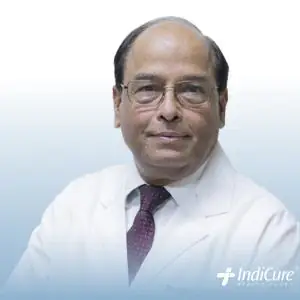
New Delhi
Experience: 35+ years
Hospital: Fortis Escorts Heart Institute (FEHI)
Speciality: Cardiac Electrophysiology, Arrhythmia Management, Pacemaker & Device Implantation
Qualification: MBBS, MD (Medicine), DNB (Cardiology)
Fellowships and Training: Advanced training in cardiac electrophysiology, St. Luke's Hospital, Wisconsin, USA
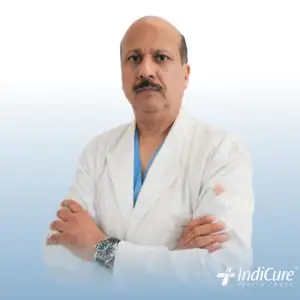
Gurugram
Experience: 45+ years
Hospital: Medanta - The Medicity
Speciality: Clinical & Preventive Cardiology, Non-Invasive Cardiac Imaging
Qualification: MBBS, MD (Medicine), DM (Cardiology)- AIIMS, New Delhi; FIMSA, MNAMS, FASE
Mumbai
Experience: 45+ years
Hospital: Kokilaben Dhirubhai Ambani Hospital (KDAH)
Speciality: Interventional Cardiology, Coronary Angioplasty
Qualification: MBBS, MD (Medicine), DM (Cardiology), PhD (Cardiology), University of Wales, UK
Fellowships and Training: Fellow of the Royal College of Physicians, London; Fellow of the European Society of Cardiology
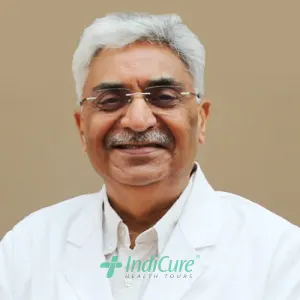
New Delhi
Experience: 37+ years
Hospital: BLK-Max Super Speciality Hospital
Speciality: Interventional Cardiology, Cardiac Electrophysiology
Qualification: MBBS, MD (Medicine), DM (Cardiology), MRCP (UK), FRCP (UK), Fellow of American College of Cardiology (USA); Doctor of Science (DSc-Honoris Causa)

Mumbai
Experience: 19+ years
Hospital: Gleneagles Hospital
Speciality: Interventional Cardiology, Structural Heart Interventions, Pediatric Echocardiography
Qualification: MBBS, MD (Medicine), DM (Cardiology)
Professional Memberships: Associate Fellow, European Society of Cardiology; International Associate, American College of Cardiology; Associate Fellow, Society for Cardiac Angiography and Interventions (SCAI), USA
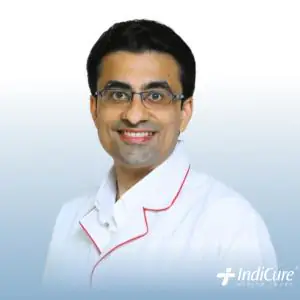
Mumbai
Experience: 18+ years
Hospital: Wockhardt Hospital
Speciality: Interventional Cardiology, Structural Heart Disease Interventions
Qualification: MBBS, MD (Medicine), DNB (Cardiology)
Fellowships and Training: FNB (Interventional Cardiology), Narayana Hrudayalaya, Bangalore
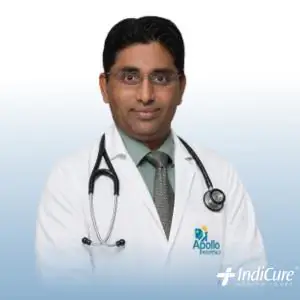
Navi Mumbai
Experience: 16+ years
Hospital: Apollo Hospitals
Speciality: Interventional Cardiology, Heart Failure & Transplant Cardiology
Qualification: MBBS, MD ( Medicine), DNB (Cardiology)
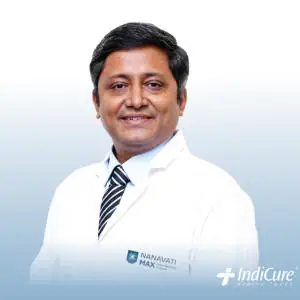
Mumbai
Experience: 26+ years
Hospital: Nanavati Max Super Speciality Hospital
Speciality: Interventional Cardiology, Complex Coronary Interventions
Qualification: MBBS, MD (Medicine), DNB (Cardiology)
Fellowships and Training: FNB (Interventional Cardiology), Bombay Hospital & Medical Research Centre (2014)
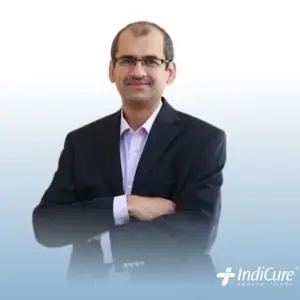
Mumbai
Experience: 24+ years
Hospital: Fortis Hospital, Mulund
Speciality: Interventional Cardiology, Structural Heart Interventions (TAVI)
Qualification: MBBS, MD (Internal Medicine, USA)
Fellowships and Training: Fellowships in Interventional Cardiology, Cardiovascular Medicine, Non-Invasive Cardiology and Nuclear Cardiology, including at Brigham and Women's Hospital, Harvard Medical School, Boston, USA
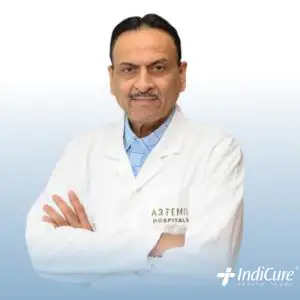
Gurugram
Experience: 30+ years
Hospital: Artemis Hospital
Speciality: Clinical & Interventional Cardiology, Structural Heart Interventions
Qualification: MBBS, MD (Medicine), DM (Cardiology)-AIIMS, New Delhi
Fellowships and Training: Fellowship in Interventional Cardiology, San Raffaele Hospital, Milan, Italy
| Procedure | Starting price (US$) |
|---|---|
| Coronary angioplasty (One Stent) | 3,800 |
| Pacemaker implantation (Single Chamber) | 3,800 |
| ASD/VSD Device Closure | 4,900 |
| TAVI | 25,000 |
Prices as of October 2026. Starting prices only, not final bills.
The final cost depends on your condition, the number of stents or the type of device or valve used, the hospital, and the length of your hospital stay.
The cost typically includes the doctor's fees, hospital stay for a specified number of days, pre-op investigations, medicines and consumables at the hospital.
A cardiologist diagnoses and treats heart conditions with medicines and minimally invasive procedures, such as angioplasty and stenting, pacemaker implantation and TAVI. A cardiac surgeon performs open-heart operations, such as bypass surgery (CABG), surgical valve replacement and heart transplantation. Many conditions are treated by a cardiologist first, with a cardiac surgeon involved if surgery is needed, and the two work together on complex cases.
The cardiologists on this page work at accredited hospitals with dedicated cardiac units, and many have trained at leading centers in the US, UK and Europe. But every heart procedure carries risks, including bleeding, damage to blood vessels, heart rhythm problems, stroke and, rarely, death. Risks depend on your age, your heart condition and your overall health. Your cardiologist should explain the risks, benefits and alternatives for your specific case before you decide.
TAVI (transcatheter aortic valve implantation) replaces a narrowed aortic valve using a catheter, usually passed through an artery in the leg, without opening the chest. Surgical valve replacement requires open-heart surgery and a heart-lung bypass machine. TAVI usually means a shorter hospital stay and faster recovery, but it isn't suitable for every patient. The choice depends on your age, overall health, valve anatomy and surgical risk, and is made by the cardiologist and cardiac surgeon together.
Yes. IndiCure arranges a video or telephone consultation with the cardiologist before you travel. Send your ECG, echocardiogram, angiography reports, CT scans and details of any previous treatment, and the cardiologist will review them and discuss a preliminary treatment plan. A video consultation can't replace an in-person examination, so your plan will be confirmed after you're assessed in India.
Angioplasty or pacemaker implantation can often be done within 1-2 days of arrival, once the cardiologist has examined you and any additional tests are complete. TAVI needs more planning, including a CT scan and a review by the heart team, so it usually takes longer. Share your flight details with IndiCure, and we'll arrange your first consultation as soon as possible after you arrive.
It depends on the procedure. Plan on about a week in India for angioplasty or pacemaker implantation, and about 10 to 14 days for TAVI. This includes time for at least one follow-up check before you fly home. Your cardiologist will confirm when it's safe to travel.
It depends on how many arteries are blocked, where the blockages are, how well your heart is pumping, and other conditions such as diabetes. Angioplasty opens a blocked artery with a balloon and stent through a small tube, usually from the wrist or groin. Bypass surgery (CABG) uses a blood vessel from elsewhere in the body to route blood around the blockages and needs open-heart surgery. For complex cases, the cardiologist and cardiac surgeon review your angiogram together before recommending one.
Yes. After a stent, you'll take two blood-thinning medicines, usually for 6 to 12 months, and often aspirin long-term, along with medicines for cholesterol and blood pressure. These blood thinners help prevent a clot from forming inside the stent, which can cause a heart attack. Never stop them on your own, even for dental or other procedures, without first speaking to your cardiologist.
Most hospitals in India use drug-eluting stents, which release medicine to help keep the artery from narrowing again. Many of these have international approvals, such as US FDA or European CE marking. Coronary stent prices in India are regulated by the government's National Pharmaceutical Pricing Authority (NPPA). Ask your cardiologist which stent they plan to use, and make sure it's listed in your written cost estimate.
Catheter ablation treats some heart rhythm problems by using heat or cold, delivered through thin tubes passed up to the heart from a vein in the groin, to destroy the small area of tissue causing the abnormal rhythm. It's commonly used for supraventricular tachycardia (SVT), atrial flutter, atrial fibrillation and some ventricular arrhythmias. Most patients stay in hospital for one to two days. Success depends on the type of rhythm problem, and some people with atrial fibrillation need a second procedure.
Most people return to normal daily activities within a few weeks. For the first few weeks, you'll be advised not to lift your arm high on the side of the device. You'll get a device ID card to carry, and you should show it at airport security and ask staff not to hold a handheld scanner over the device. Keep your mobile phone at least 15 cm away from the pacemaker, for example not in a shirt pocket on that side. Your pacemaker will need regular checks after you return home, which a cardiologist in your country can do.
You'll need to keep taking your prescribed medicines, have regular check-ups with a cardiologist near home, and control risk factors such as blood pressure, cholesterol, diabetes and smoking. Cardiac rehabilitation, a supervised exercise and education program, helps many patients recover faster after angioplasty or a heart attack. Carry your discharge summary, stent or device details, and medicine list with you. IndiCure can arrange video follow-ups with your cardiologist in India.
Yes. International patients travel to India on a medical visa, and up to two family members can accompany you on medical attendant visas. You'll need a letter from the hospital confirming your treatment plan for the visa application. IndiCure can help with the hospital letter, visa guidance, and accommodation near the hospital.
There's no single success rate that applies to everyone. Outcomes depend on the procedure, your heart condition, your age and overall health, and the experience of the team. Ask the hospital for its own outcome data for your specific procedure, and ask your cardiologist what those numbers mean for you.
This page was written by IndiCure's medical content team and reviewed by a doctor. Below is how we verify the information, the sources we used, and our medical disclaimer.
This information is for educational purposes only. IndiCure facilitates medical travel and does not provide medical advice, diagnosis, or treatment. Whether a heart procedure is right for you, its risks and your expected recovery must be assessed by a qualified cardiologist based on your examination and reports. Outcomes and risks vary from person to person.
Cardiologist qualifications, specialities, hospital affiliations, and professional credentials are reviewed against IndiCure's 15-Point Surgeon Selection Criteria and verified, where possible, through official hospital and specialist sources. Procedure volumes and awards are as reported by the doctor or hospital. Credentials last verified October 2026.
Privacy Note: Your medical information is handled confidentially and is used only for patient support and treatment coordination.
We handle every detail of your trip so you can focus entirely on your health and recovery:
The content provided on this website is intended for general educational purposes only and does not constitute professional medical advice, diagnosis, or treatment. While we maintain a comprehensive editorial policy to ensure the accuracy and reliability of our information, this content should not be utilized as a substitute for professional clinical care.
Individual Results: All "before and after" photographs are illustrative examples of potential outcomes; actual surgical results vary significantly by individual.
Mandatory Consultation: We strongly advise a personal, in-person evaluation with a board-certified surgeon to assess your specific medical needs and realistic procedural goals.
Surgical Risk: It is vital to maintain realistic expectations and fully understand potential complications before electing for surgery.