Heart Transplant Cost in India
Written By:
Dr. Chhaya Rakh
Medically Reviewed By:
Dr. Ruchika Malhotra, BOT, OTR (USA), MSW
Last updated: August 27, 2026
Written By:
Dr. Chhaya Rakh
Medically Reviewed By:
Dr. Ruchika Malhotra, BOT, OTR (USA), MSW
Last updated: August 27, 2026
The Heart Transplant cost in India starts from USD 30,000 and varies depending on the surgeon, the surgical facility, and the city where you choose to get the surgery done.
The cost quoted above is indicative and should not be taken as the final cost of the surgery. The final cost can be ascertained after the surgeon has evaluated the patient. The cost in Indian Rupees can vary based on the exchange rate.
One of the key costs you will face when contemplating a heart transplant in India is the cardiac surgeon's fee. IndiCure connects you with board-certified surgeons in India who are highly skilled and have delivered successful heart surgeries. While the surgeon's fee can vary based on their experience, you can trust IndiCure to recommend surgeons who prioritize your safety and deliver excellent outcomes when you choose heart transplant surgery in India.
With the hopes of improving patient care, new techniques and technologies are often introduced to the surgical process. Such innovative advancements in the surgical approach can increase costs.
Choosing an accredited surgical facility with skilled and qualified medical staff is crucial for the success of heart transplant in India. In India, larger cities typically offer superior medical facilities and more experienced surgeons, resulting in higher costs. IndiCure Health Tours specifically recommends surgical facilities in larger cities of India to prioritize quality of care and ensure patient safety.
The pre-transplant work-up includes detailed cardiac testing and blood-group matching to assess the patient's suitability for transplantation. ICU care, hospitalisation, immunosuppressive medication and long-term follow-up can form a significant part of the overall treatment expense.
At IndiCure, we consolidate most of the expenses for your heart transplant surgery in India to provide you with an inclusive and cost-effective package tailored to your budget and individual requirements. After receiving medical reports, your case manager will provide an estimated surgery cost based on a discussion with the heart surgeon.
The final heart transplant cost in India can however be confirmed after your face-to-face consultation with the heart surgeon.

We Help you Choose the Right Treatment, Surgeon & Hospital

We Arrange Video/Telephonic Consultation with the Surgeon

We Assist you with Visa & Accommodation

We Receive you at the Airport and Drop you at Hotel/Hospital

We Assist you the at Hospital & Provide Post Operative Support
IndiCure offers exclusive savings on your medical travel. We partner with hospitals to negotiate special rates, ensuring you get the best possible price on your healthcare when you travel with us.
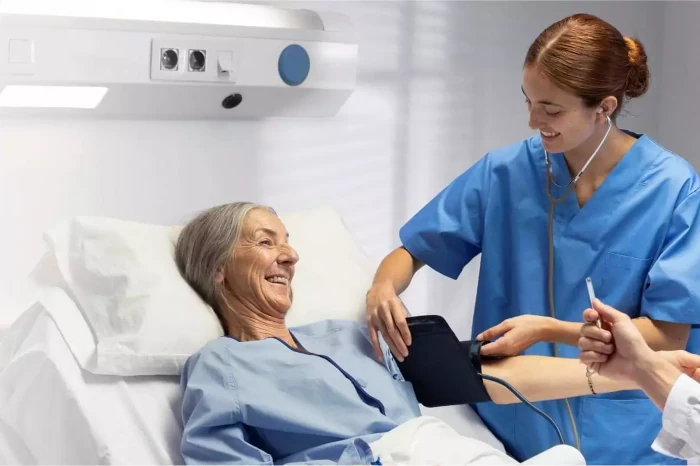
Here is a set of questions you should consider asking before commencing your journey for a heart transplant in India.
Prepare to answer questions about your:
Privacy Note: Your medical information is handled confidentially and is used only for patient support and treatment coordination.
A Heart transplant is a complex and major surgical procedure. With advanced innovations in surgical technologies, heart transplant in India is safe and yields great outcomes. The success rate of heart transplant in India is as good as the best in the world. The survival rate after 1 year of heart transplant is 85-90%, and according to a new study, living for 15 to 20 years following a heart transplant is becoming the norm, not the exception.
As the latest techniques of heart transplant are advancing, many people from around the world come for heart transplantation in India. Owing to the low cost of heart transplant in India, highly skilled & experienced surgeons and state of art hospital facilities, India has emerged as one of the most favorable destinations for organ transplants in the world.
With end-to-end services for your hassle-free organ transplant in India with IndiCure, medical tourism in India has been made quite easy besides being affordable.
A heart transplant, also known as a cardiac transplant, is a surgical operation used to treat patients with end-stage heart failure or severe coronary artery disease who have failed to respond to other medical or surgical treatments. The operation entails replacing the patient's damaged heart with the healthy heart of another patient who has been certified brain dead.
When other treatment options for heart conditions have failed, resulting in heart failure, a heart transplant is performed. Adults can get heart failure as a result of:
Cardiac failure in children is most commonly caused by a congenital heart abnormality or cardiomyopathy.
In persons with specific illnesses, another organ transplant may be performed at the same time as a heart transplant (multiorgan transplant).
Multiorgan transplants include:
Heart transplant candidates are those who've experienced heart disease or heart failure due to a variety of causes, including:
You might not be a good candidate for a heart transplant if you:
Evaluation
Once a patient has been identified as a candidate for a heart transplant, they are subjected to a battery of tests to determine their physical health and ability to undergo a major surgical procedure.
The tests include blood testing and matching to check the compatibility. Various other tests and investigations include EKG, Echo, Chest X-ray, pulmonary function tests, physical assessment by a physician, and psychological tests. In addition to the medical tests, the doctors consider the patient's family support, financial circumstances, psychological composition, and any other medical issues.
If the patient is judged to be a suitable candidate for the heart transplant after the tests and interviews, his or her name is added to the regional and national organ recipient lists.
The Heart Allocation Score determines an individual's position on the list based on a complex computation that attempts to forecast two things:
When organ donors' heart becomes available, people with better scores are given priority.
For foreigners coming to India for a lung transplant, it may take a few weeks to several months before you can find a donor for your heart transplant in India.
The surgery for a heart transplant takes about four hours. You'll be connected directly to a heart-lung machine for the duration of your surgery to keep blood flowing throughout your body.
Your heart will be removed; but the pulmonary vein holes and the rear wall of the left atrium are crucial for maintaining proper blood flow and circulation, so preserving them could potentially ease the transition to a new heart.
You will be taken off the heart-lung machine once your doctor sutures the donor heart into place and it starts beating. The new heart will usually begin to beat as soon as the blood supply is restored. An electric shock may sometimes be required to induce a heartbeat.
It could take several weeks for you to feel well enough to resume your normal daily routine. To ensure that the transplanted heart survives in your body, you will need to take anti-rejection medications for the rest of your life.
After a heart transplant, recovery is a long and difficult process aimed at gradually improving the patient's health and fitness. Resuming normal daily activities could take up to six months.
People who would otherwise die benefit from heart transplants. After two years, around 80% of heart transplant recipients are still alive. After a heart transplant, 70% of patients will still be alive after 5 years.
Rejection is the biggest issue, as it is with all transplants. If rejection can be managed, survival can be extended to more than ten years.
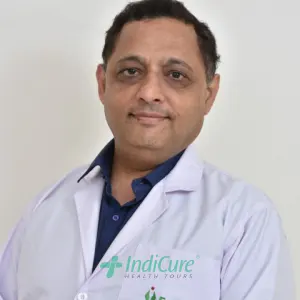
Dr. Anvay Mulay
Cardiac Surgeon
MBBS, MS, MCh
26+ Years
Currently associated with the Department of Heart Transplant as a Consultant and Head Cardiac Surgeon, Dr. Anvay Mulay is one of the most prominent and well-known cardiothoracic and vascular surgeons in India.
Dr. Anvay Mulay has done more than 4000 successful beating heart bypass procedures and is a pioneer in adult cardiac surgery, particularly in the field of coronary artery bypass graft surgery (CABG). He has the largest series of beating heart coronary bypass surgeries to his credit.
Aortic Root Replacements, Total Arterial Revascularization, Minimally Invasive Cardiac Surgery, Mitral, Aortic, and Tricuspid Valve Repair, Aortic Aneurysm / Aortic Dissections, and Surgery for Heart Failure are the areas of his expertise.
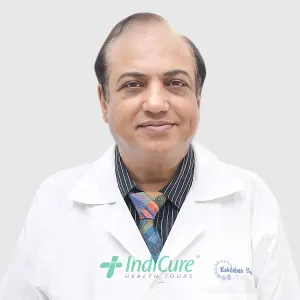
Dr. Nandkishore Kapadia
Cardiac Surgeon
MBBS, MS, MCh, Fellowships
27+ Years
Dr. Nandkishore Kapadia is regarded as one of India's most prestigious cardiothoracic surgeons with 28 years of expertise and has conducted over 5000 cardiovascular surgeries.
Dr. Kapadia has performed over 10,000 CABG surgeries and 5000 additional open heart procedures, 500 minimally invasive cardiac treatments, 190 heart and lung transplants, and 150 ECMO and VAD implantations.
Dr. Kapadia earned his MBBS and MS degrees from the prestigious MGM Medical College in Indore. He then completed his Mch (Cardiovascular Surgery) at Vellore's reputed Christian Medical College. Dr. Kapadia has completed Fellowships in Coronary Bypass Surgery & Heart Transplant, Valve Surgery, Heart Transplant, and Adult Cardiac Surgery and Heart Transplant in France and the United States, respectively.

Dr. Sandeep Attawar
Cardiac Surgeon
MBBS, MS, M.Ch (Cardiothoracic Surgery)
22+ Years
Dr. Sandeep Attawar is a known expert in the field of heart and lung transplantation and is one of India's leading cardiothoracic surgeons. He has performed over 10,000 open and closed heart procedures, over 300 adult heart and lung transplants, and over two dozen LVAD implants over his career.
As of August 2021, he had conducted over 26 double-lung transplants during COVID-19, one of the greatest amounts in the world.
From infants to octogenarians, Dr. Sandeep Attawar has done a wide range of difficult cardiac surgeries on patients of all ages. Those under his care have a high degree of satisfaction, which is commensurate with his outstanding outcomes.
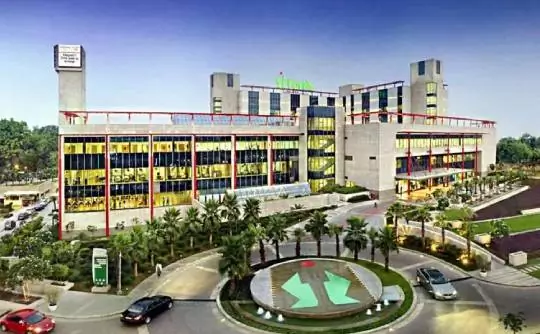
Fortis Memorial Research Institute
Gurgaon
Fortis Memorial Research Institute (FMRI), the flagship hospital of Fortis Healthcare, is a multi-specialty, quaternary care hospital and is counted among the best hospitals in India and the world. The hospital is considered as "Mecca of Healthcare" and a referral hospital, not only in the entire Asia Pacific but much beyond.
The hospital boasts of an enviable International faculty- the clinicians considered to be among the best doctors in the world and even specialty nurses offer nothing but the best in clinical care. The hospital has the most modern, state-of-the-art, cutting-edge technology in the hands of the most technically sound technicians, who offer clinical excellence beyond comparison.

Medanta Medicity
Gurgaon
The Medicity is one of India's largest multi super-specialty institutes located in Gurgaon, National Capital Region (NCR-DELHI). Founded by one of the most renowned cardiac surgeons in India, Dr. Naresh Trehan, Medanta was established with the aim to provide the highest standards of medical care to patients backed by clinical research.
Spread across 43 acres, the institute includes a research center, medical and nursing school. It has 1250 beds and over 350 critical care beds with 37 operation theatres catering to over 20 specialties. Backed by the latest and most advanced technology, the institute is counted among the best medical institution in the world and attracts lots of patients from across the globe.
Yes, a heart transplant is possible in India. There are state-of-the-art hospitals in India with the same success rate for heart transplants as the best in the world. More than 400 heart transplants have been done in India, and many patients from across the world choose heart transplants in India because of the much lower cost of the surgery as compared to the Western countries.
The heart transplant cost in India starts from USD 30,000 and varies depending on different factors. You will be put on a waiting list for the heart transplant and shall be called for the surgery as soon as a suitable deceased heart becomes available.
There is no fixed waiting time for availability of a heart for transplant in India. If you are found to be a suitable candidate for a heart transplant, you shall be put on a waitlist. You may be lucky to find a suitable heart in a few weeks or it may take several months before you can find a suitable organ and undergo the surgery.
The global heart transplant survival rate for adults is greater than 85 percent after one year and 70 percent after five years, and it is exactly the same in India.
85-90 out of 100 people survive for at least one year after the heart transplant, while around 70 out of hundred survive for 5 years or more after the heart transplant. With advancements in technology, both the chances of survival and the quality of life are improving after the heart transplant.
While waiting for a transplant, a device called the Total Artificial Heart lets some of the sickest heart failure patients live outside of the hospital. It works as a lifeline for some of the most severe heart-failure cases. The device, which was first introduced in 1969 and has been improving since the 1980s, is not for everyone, however.
In roughly 85 to 90 percent of patients with advanced end-stage heart failure, only the left ventricle is damaged, qualifying them for a smaller, less invasive pump known as a left ventricular assist device (LVAD).
According to consulting firm Milliman, the average invoiced cost of a heart transplant is USD 1,382,400 in the USA. The heart transplant cost in India with the same success rate and similar quality of care and services is around USD 30,000, plus the cost of stay till you get a donor heart and travel. Even if you add these costs, it is way cheaper to get a heart transplant in India.
The typical length of stay in the hospital is two to four weeks. The CICU- Cardiac Intensive Care Unit, is where you spend half of your time, and the cardiac floor is where you spend the other half. When patients leave the CICU, they are transferred to a private room on the cardiac floor, where they will continue to recuperate, be monitored for rejection and other issues, and have their medications adjusted.
Apart from the heart transplant cost in India, there are additional expenses to consider when planning your trip. This includes budgeting for meals, airfare costs which will vary depending on your location of origin and the time of booking, and ground transportation expenses, such as taxi fares or rental car costs. Lastly, accommodation costs during your recovery period are crucial to consider, whether you opt for a hotel near the medical facility or other lodging options that suit your preferences and budget.
By carefully considering these additional expenses alongside the heart transplant cost in India, you can better plan and budget for your trip to India, ensuring a smooth and comfortable experience during your recovery process.
Beyond treatment coordination, IndiCure also helps international patients experience a more comfortable and meaningful healthcare journey in India.

We assist patients in accessing wellness retreats focused on relaxation, restorative care, and recovery support.
Know More >>
IndiCure helps patients access Ayurveda programs through selected wellness centers and experienced practitioners.
Know More >>
From cultural experiences and historical destinations to local guidance during recovery, IndiCure helps international visitors experience India in a comfortable and supportive environment.
Know More >>We handle every detail of your trip so you can focus entirely on your health and recovery:
The content provided on this website is intended for general educational purposes only and does not constitute professional medical advice, diagnosis, or treatment. While we maintain a comprehensive editorial policy to ensure the accuracy and reliability of our information, this content should not be utilized as a substitute for professional clinical care.
Individual Results: All "before and after" photographs are illustrative examples of potential outcomes; actual surgical results vary significantly by individual.
Mandatory Consultation: We strongly advise a personal, in-person evaluation with a board-certified surgeon to assess your specific medical needs and realistic procedural goals.
Surgical Risk: It is vital to maintain realistic expectations and fully understand potential complications before electing for surgery.