
Rhinoplasty Cost in India - Nose Reshaping Pricing Guide
Written By:
Dr. Shivya Verma
Medically Reviewed By:
Dr. Harish Pamnani, MBBS, DCH
Last updated: Oct 20, 2026
Written By:
Dr. Shivya Verma
Medically Reviewed By:
Dr. Harish Pamnani, MBBS, DCH
Last updated: Oct 20, 2026
In Western countries the prices of rhinoplasty are much higher than the cost of nose reshaping surgery in India. Let's have a quick look at the below table comparing cost of rhinoplasty across the world which will give you a better idea:
An important expense when it comes to your rhinoplasty surgery cost in India is your plastic surgeon's fees. IndiCure hand-picks experienced, skilled, board-certified plastic surgeons who are capable of delivering natural-looking results. Although the price tag may vary depending on the experience of the surgeon, the results will be amazing.
Depending on one's needs, men and women of all ages can benefit from many types of rhinoplasty procedures. For example, a reduction rhinoplasty could be the best option for one, while tip rhinoplasty the best option for another who is mainly concerned with the tip of the nose. IndiCure recommends you to explore the multiple rhinoplasty surgical options by consulting our expert plastic surgeons.
Having your Rhinoplasty surgery in an accredited surgical facility by skilled and qualified medical staff is a critical factor. Moreover, the geographical location of this facility in India also affects the initial quote. But IndiCure provides you with a projected estimate that will be all inclusive and affordable.
The surgery-related expenses include the pre- and post-surgical expenses. The pre-surgical expenses are associated with the candidacy and the medical history of the patient. This includes the routine medical exams and tests to ensure you're a good fit for rhinoplasty procedures. Post-surgical expenses can include prescription medications, and follow-up consultations.
We at IndiCure, understand that you travel with a budget in mind and do not like to be greeted by surprises after arrival in India. We thus club all these expenses and give you the package cost that is inclusive and affordable at the same time.
Your case manager shall give you an estimated cost of your surgery after discussing your medical reports with the surgeon. The final cost, however, shall be confirmed after your consultation with the surgeon.

We Help you Choose the Right Treatment, Surgeon & Hospital

We Arrange Video/Telephonic Consultation with the Surgeon

We Assist you with Visa & Accommodation

We Receive you at the Airport and Drop you at Hotel/Hospital

We Assist you the at Hospital & Provide Post Operative Support
Years of Experience

Patients Assisted Worldwide
Countries Served

Most Preferred Medical Tourism Brand
Global MICE Congress & Awards, Mumbai, February 2020.

Google Rating from Global Patients
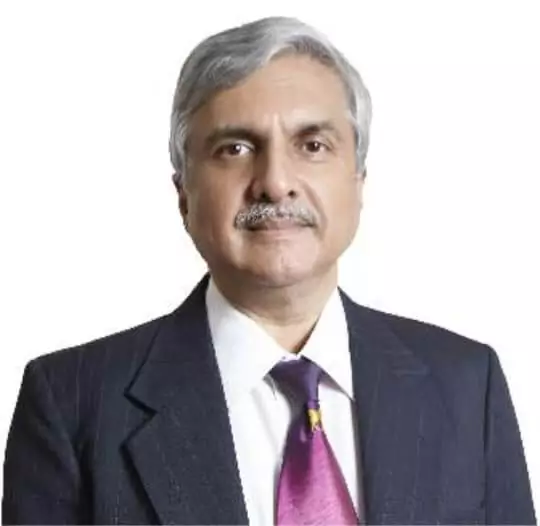
MBBS, MS, M.Ch, Member-ASPS
25+ Years of Experience
Dr. Mukund Jagannathan is a highly distinguished specialist in plastic and reconstructive surgery with over 25 years of clinical expertise. Holding MBBS, MS, and M.Ch degrees, he is a recognized member of the American Society of Plastic Surgeons (ASPS). Beyond his surgical practice, Dr. Jagannathan serves as the Head of the Department of Plastic Surgery at a premier medical university in India, where he leads academic advancement and surgical training in the field.
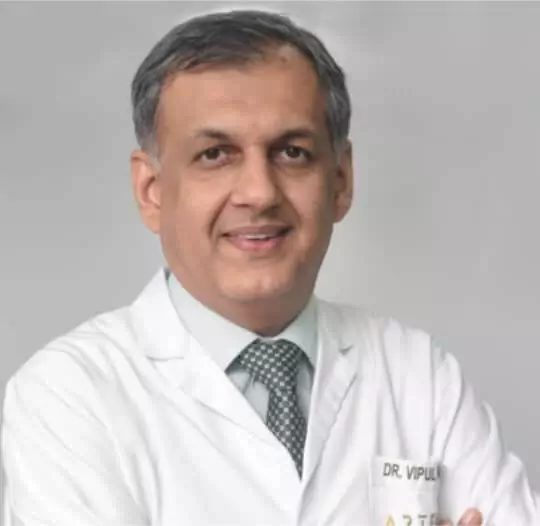
MBBS, MS, MRCS, M.Ch, ISASPS
22+ Years of Experience
Dr. Vipul Nanda is an experienced specialist in plastic and reconstructive surgery, with a strong academic foundation. He completed his foundational medical training (MBBS) and postgraduate studies (MS) at the All-India Institute of Medical Sciences (AIIMS), followed by an M.Ch from PGI Chandigarh. His international credentials include an MRCS from the United Kingdom.

MBBS; MS; DNB
15+ Years of Experience
Dr. Shraddha Deshpande is a highly qualified aesthetic and reconstructive surgeon with an extensive background in global surgical practices. Her expertise is supported by prestigious international fellowships in Spain, Sweden, and New Zealand, providing her with a diverse, multi-disciplinary approach to patient care. As a dedicated researcher, Dr. Deshpande is actively involved in the advancement of surgical techniques, with research published in medical journals.
Watch this short video to understand how IndiCure supports international patients throughout their medical journey in India — from treatment planning and hospital coordination to recovery and travel support.
Rhinoplasty, commonly referred to as a nose job, is designed to help those who are unhappy with the shape, size, or form of their nose, either for medical or aesthetic reasons. It is a very commonly performed plastic surgery in India.
Rhinoplasty operation was one of the greatest highlights of Indian medical history. It is said that in 1500 BC, Sushruta, who is called the father of plastic surgery, was the first to perform a cosmetic reshaping operation of the nose. India remains a major destination for rhinoplasty today, with experienced surgeons and costs well below those in the UK, US, New Zealand and Australia.
The surgery is performed for two main purposes:
Aesthetic: to improve the appearance of the nose i.e. broad nostrils, bulging nose tip, a prominent dorsal hump, bump on the bridge etc.
Functional: to correct the deviated septum to improve breathing
Nose plastic surgery or Rhinoplasty can accentuate your overall facial appearance by making the nose look in proportion with the rest of the face.
If you are 18 or above, in good health, mentally and emotionally stable, with a dislike for your nose and have realistic expectations from the surgery, you are a good candidate for rhinoplasty.
If you are one of those who is thinking about rhinoplasty, then you would be curious to know what are the common reasons people undergo rhinoplasty. IndiCure has listed some of the reasons:
If you are dealing with any of the above mentioned issues, you can educate yourself on rhinoplasty through this page and get a free consultation with one of our best rhinoplasty surgeons in India.
There are various treatment options with rhinoplasty which decide the final goal of surgery such as:
Reduction Rhinoplasty
The commonest type of rhinoplasty is to reduce the size of the nose in relation to the rest of the facial features by correcting the bridge, tip and nostrils.
Reconstructive Rhinoplasty
Ageing Rhinoplasty
Ageing can cause constriction and drooping of nasal tissues. These problems can be alleviated by rhinoplasty.
Incisions are made on the inside of nostrils to lift a flap and gain access to underlying bone and cartilage.
Grafts are added or tissue removed to reshape the bridge, tip or nostrils as planned with the surgeon.
The flap is then closed and sutured.
Nasal packing (if used), stays in the nostrils for one to seven days. The outside stitches, if any, are taken off within the next five to seven days. The inner stitches however dissolve by themselves.
To reduce swelling and to keep the nasal bones in place, the nasal splint is kept in place for seven days.
Light activity like returning to work or school can be resumed in the next ten days. It takes about 6 - 8 weeks to resume rigorous activities.
Most patients are pleased with the change, though what is achievable depends on your nasal structure and skin, which the surgeon will assess. Final results of rhinoplasty may not be apparent until 6 months to a year after the surgery.
We at IndiCure completely understand your concerns and it is always our endeavor to provide the best outcome for every patient. Following is the list of questions you must ask before you embark on your journey for Rhinoplasty in India.
Prepare to answer questions about your:

Rhinoplasty is one of the most frequently performed cosmetic procedures worldwide, and it is carried out for functional reasons as well as aesthetic ones - a deviated septum or difficulty breathing through the nose among them. It is performed on both men and women.
Nasal packing, if used, stays in the nostrils for one to seven days, and the nasal splint is kept in place for about seven days to reduce swelling and hold the nasal bones in position. Any outside stitches are removed within five to seven days; inner stitches dissolve on their own. Light activity such as returning to work or school is usually possible within about ten days, and it takes around six to eight weeks before rigorous activity can be resumed.
The type depends on what the surgery is meant to achieve. Reduction rhinoplasty is the most common, reducing the size of the nose in relation to the rest of the face by correcting the bridge, tip and nostrils. Reconstructive rhinoplasty rebuilds the nose after injury or where there is a structural problem. Ageing rhinoplasty addresses the constriction and drooping of nasal tissues that can come with age.
Which applies to you is decided at consultation, after the surgeon has examined your nose.
Light activity is usually possible within about ten days, once the splint is out. Running and other rigorous activity should wait around six to eight weeks, and contact sports longer, so the nasal bones are not disturbed while they heal. Your surgeon will confirm when it is safe.
Privacy Note: Your medical information is handled confidentially and is used only for patient support and treatment coordination.
Beyond treatment coordination, IndiCure also helps international patients experience a more comfortable and meaningful healthcare journey in India.

We assist patients in accessing wellness retreats focused on relaxation, restorative care, and recovery support.
Know More >>
IndiCure helps patients access Ayurveda programs through selected wellness centers and experienced practitioners.
Know More >>
From cultural experiences and historical destinations to local guidance during recovery, IndiCure helps international visitors experience India in a comfortable and supportive environment.
Know More >>We handle every detail of your trip so you can focus entirely on your health and recovery:
The content provided on this website is intended for general educational purposes only and does not constitute professional medical advice, diagnosis, or treatment. While we maintain a comprehensive editorial policy to ensure the accuracy and reliability of our information, this content should not be utilized as a substitute for professional clinical care.
Individual Results: All "before and after" photographs are illustrative examples of potential outcomes; actual surgical results vary significantly by individual.
Mandatory Consultation: We strongly advise a personal, in-person evaluation with a qualified surgeon to assess your specific medical needs and realistic procedural goals.
Surgical Risk: It is vital to maintain realistic expectations and fully understand potential complications before electing for surgery.