Curated By:
Dr. Anjali Mishra, BDS
Medically Reviewed By:
Dr. Harish Pamnani, MBBS, DCH
Last updated: Nov 19, 2026
Looking for the best medical oncologist in India? This page features experienced medical oncologists and haemato-oncologists practising at major cancer hospitals in Mumbai, Navi Mumbai and Delhi-NCR. They treat solid tumours and blood cancers with chemotherapy, immunotherapy, targeted therapy, and hormone therapy. Explore their qualifications, clinical experience and hospital affiliations, and check their official profiles to make an informed decision about cancer treatment in India with IndiCure Health Tours.
The right medical oncologist depends on the type and stage of the cancer, the treatment needed, and the specialist's experience with that particular cancer. IndiCure evaluates the medical oncologists featured on this page against its 15-Point Specialist Selection Criteria, which covers qualifications, clinical experience, subspecialty training, and hospital accreditation. Links to official hospital profiles are provided so you can verify their credentials. We don't charge patients for recommendations, and no doctor or hospital is featured in exchange for a financial arrangement.
The medical oncologists below are listed in no particular order. This is a list, not a ranking.
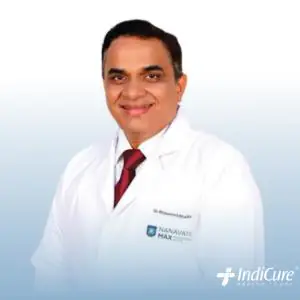
Mumbai
Experience: 20+ years
Hospital: Nanavati Max Super Speciality Hospital
Speciality: Medical Oncology, Precision and Molecular Oncology
Qualification: MBBS, MD (Internal Medicine), DM (Medical Oncology), DNB (Medical Oncology)
Fellowships and Training: Observership, MD Anderson Cancer Center, Houston, USA; preceptorship in metastatic colorectal cancer, Liverpool, UK
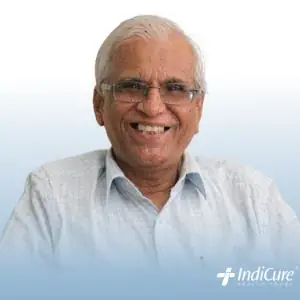
Mumbai
Experience: 45+ years
Hospital: Nanavati Max Super Speciality Hospital
Speciality: Medical Oncology and Haemato-Oncology
Qualification: MBBS, MD (General Medicine), FICP, MNAMS, FNAMS
Fellowships and Training: Fellowship in Medical Oncology; bone marrow transplantation training, Fred Hutchinson Cancer Research Center, Seattle, USA
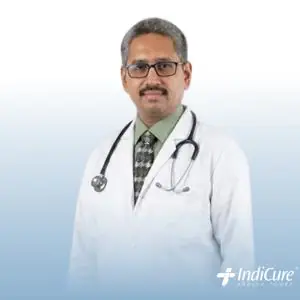
Mumbai
Experience: 10+ years
Hospital: Gleneagles Hospital, Parel
Speciality: Medical Oncology
Qualification: MBBS, MD (Internal Medicine, AIIMS), DM (Medical Oncology, AIIMS), DNB (Medical Oncology), MRCP (UK), MRCP SCE (Medical Oncology)
Fellowships and Training: Medical oncology training at AIIMS, New Delhi
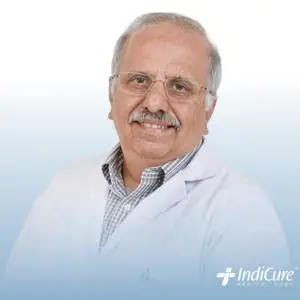
Mumbai
Experience: 22+ years
Hospital: Fortis Hospital, Mulund
Speciality: Medical Oncology and Haemato-Oncology
Qualification: MBBS, MD (Internal Medicine)
Fellowships and Training: Super-specialty training in medical oncology and haemato-oncology, Tata Memorial Hospital, Mumbai; certification and fellowship training through ESMO, MD Anderson Cancer Center and Fred Hutchinson Cancer Research Center, USA
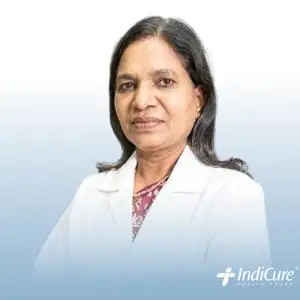
Mumbai
Experience: 20+ years
Hospital: HCG ICS Khubchandani Cancer Centre
Speciality: Medical Oncology, Solid Tumour Oncology and Haemato-Oncology
Qualification: MBBS, MD (General Medicine)
Fellowships and Training: Fellowship in Medical Oncology, Tata Memorial Hospital, Mumbai
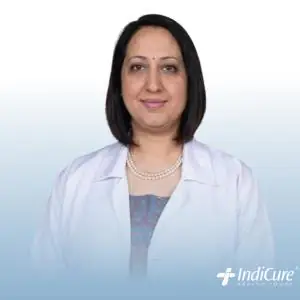
Mumbai
Experience: 20+ years
Hospital: Apollo Hospitals, CBD Belapur
Speciality: Medical Oncology, Precision Oncology and Immunotherapy
Qualification: MBBS, MD (Internal Medicine), DM (Medical Oncology, AIIMS, New Delhi)
Fellowships and Training: Immuno-oncology and melanoma, Memorial Sloan Kettering Cancer Center, USA; sarcoma, Johns Hopkins Cancer Center, USA
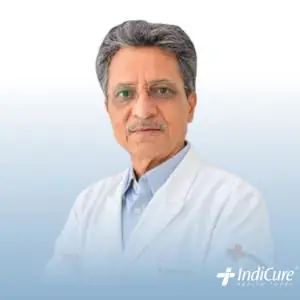
Gurugram
Experience: 40+ years
Hospital: Medanta - The Medicity
Speciality: Medical Oncology, Haemato-Oncology and Stem Cell Transplantation
Qualification: MBBS, MD (General Medicine), DM (Medical Oncology)
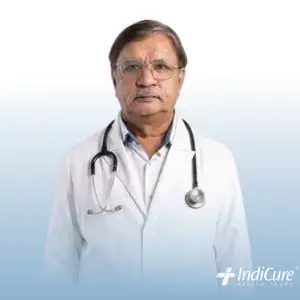
Gurugram
Experience: 27+ years
Hospital: Medanta - The Medicity
Speciality: Medical Oncology
Qualification: MBBS, MD (General Medicine, JIPMER), DM (Medical Oncology)
Fellowships and Training: Senior residency and super-specialty training in medical oncology, AIIMS, New Delhi
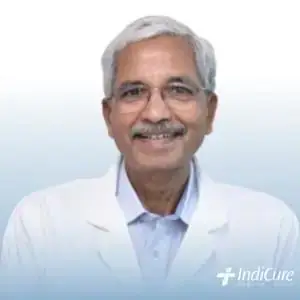
Gurugram
Experience: 35+ years
Hospital: Artemis Hospital
Speciality: Medical Oncology
Qualification: MBBS, MD (Medicine), DM (Medical Oncology, Cancer Institute, Adyar)
Fellowships and Training: Postdoctoral fellowship, Royal Postgraduate Medical School, Hammersmith Hospital, London; Fulbright Scholar, USA

Gurugram
Experience: 22+ years
Hospital: Artemis Hospital
Speciality: Medical Oncology
Qualification: MBBS, MD (Internal Medicine), DM (Medical Oncology)
Fellowships and Training: ICH-GCP Certification in Clinical Research
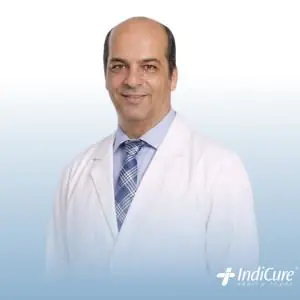
Gurugram
Experience: 15+ years
Hospital: Fortis Memorial Research Institute
Speciality: Medical Oncology and Haemato-Oncology
Qualification: MBBS, MD (Internal Medicine, Maulana Azad Medical College, New Delhi), DM (Medical Oncology, AIIMS, New Delhi)
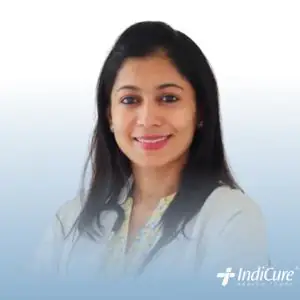
Gurugram
Experience: 10+ years
Hospital: Fortis Memorial Research Institute
Speciality: Medical Oncology and Gynaecologic Oncology
Qualification: MBBS, MD (Internal Medicine), DNB (Medical Oncology)
Fellowships and Training: Fellowship in Gynaecologic Oncology and Clinical Research Fellowship, The Christie Hospital, Manchester, UK; observership, Salford Royal Hospital, UK
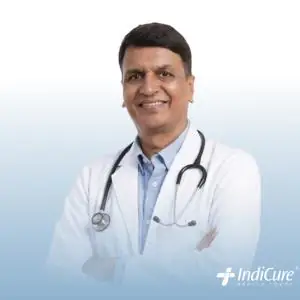
New Delhi
Experience: 35+ years
Hospital: Max Super Speciality Hospital, Saket
Speciality: Medical Oncology
Qualification: MBBS, MD (General Medicine), DM (Medical Oncology)
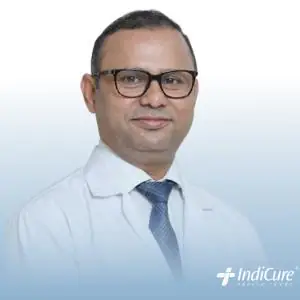
New Delhi
Experience: 19+ years
Hospital: BLK-Max Super Speciality Hospital
Speciality: Medical Oncology
Qualification: MBBS, MD (Medicine), DNB (Medical Oncology)
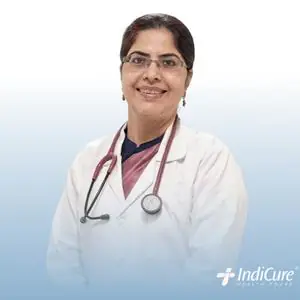
New Delhi
Experience: 30+ years
Hospital: Apollo Athenaa Women's Cancer Centre
Speciality: Medical Oncology and Precision Oncology
Qualification: MBBS, MD (Internal Medicine), DM (Medical Oncology, AIIMS, New Delhi), MAMS, FRCP (Edinburgh)
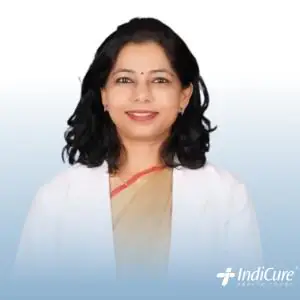
Faridabad (Delhi-NCR)
Experience: 11+ years
Hospital: Amrita Hospital
Speciality: Medical Oncology, Precision Oncology and Immunotherapy
Qualification: MBBS, MD (Medicine), DM (Medical Oncology, AIIMS, New Delhi)
A medical oncologist is a doctor who treats cancer with medicines rather than surgery or radiation. Because these medicines travel through the bloodstream, they can reach cancer cells almost anywhere in the body. That makes medical oncologists central to treating cancer that has spread, as well as blood cancers.
A medical oncologist's role usually includes:
For many patients, the medical oncologist is the doctor they see most often during cancer treatment.
You are likely to need a medical oncologist if:
See Top Cancer Specialists in India →
See Top Surgical Oncologists in India →
The medical oncologists on this page treat cancers such as:
Common treatments include:
There is no single best medical oncologist for every patient. The right specialist depends on the type and stage of your cancer, the treatment you need, and the specialist's experience with that cancer. The medical oncologists on this page practise at major hospitals in Mumbai, Navi Mumbai and Delhi-NCR, and their official profiles are linked so you can check their credentials.
A medical oncologist treats cancer with medicines such as chemotherapy, immunotherapy, targeted therapy and hormone therapy. A surgical oncologist removes cancer through an operation. Many patients need both, so the two usually plan treatment together in a tumour board.
A medical oncologist treats cancer with medicines such as chemotherapy, immunotherapy and targeted therapy, mainly for solid tumours such as breast, lung and bowel cancer. A haemato-oncologist is a specialist in blood cancers, such as leukaemia, lymphoma and multiple myeloma, and many also perform bone marrow transplants. Some doctors on this page are trained in both.
See top haematologists and bone marrow transplant doctors in India →
Yes. Major cancer hospitals in India give chemotherapy to international patients, usually as day-care treatment, so you do not need to stay in hospital for each cycle. Your medical oncologist will plan the number of cycles and the gap between them.
It depends on the type and stage of cancer and the drugs used. Chemotherapy is usually given in cycles every one to four weeks, often for three to six months. Some patients complete the full course in India. Others have the first cycles here and continue at home with a treatment plan from their Indian oncologist.
Yes. Medical oncologists in India use immunotherapy and targeted therapy for many cancers, including lung, breast, kidney, skin, head and neck, and blood cancers. These treatments are usually chosen after molecular or genetic testing of the tumour.
Precision oncology means choosing treatment based on genetic or molecular changes in a patient's tumour. Tests on a biopsy or blood sample can show whether a targeted drug or immunotherapy is likely to work, which helps avoid treatments that are unlikely to help.
Outside clinical trials, stem cell therapy is noOral chemotherapy is cancer medicine taken as tablets or capsules instead of through a drip. Some oral treatments, including many targeted therapies, can be taken at home. That can mean fewer hospital visits and, for international patients, a shorter stay in India. Your medical oncologist will advise whether oral treatment suits your cancer.
Common side effects include tiredness, nausea, hair loss, mouth sores, low blood counts and a higher risk of infection. Most side effects are temporary and can be reduced with supportive medicines. Your medical oncologist will explain the side effects of your specific treatment.
In many cases, yes. Your Indian medical oncologist can share a detailed treatment summary and plan, so that the remaining cycles, scans and follow-up can be continued with an oncologist at home. Video follow-up consultations can also be arranged.
Send your biopsy and histopathology report, immunohistochemistry (IHC) and any genetic or molecular test results, recent CT, MRI or PET-CT scans with their reports, recent blood tests, a summary of any treatment already received, and a list of your current medicines.
Yes. Share your reports with IndiCure, and we can arrange a written opinion or a video consultation with one of the medical oncologists on this page, subject to their availability before you decide to travel.
Some hospitals in India run clinical trials of new cancer medicines. Eligibility depends on the type and stage of cancer, previous treatment, and trial criteria. Share your reports with IndiCure, and we will check with the treating hospital whether a suitable trial is available.
The cost depends on the type of cancer, the drugs used, the number of cycles, whether immunotherapy or targeted therapy is needed, and the hospital. Send your reports to IndiCure for a free, personalised quote.
This page was curated by Dr. Anjali Mishra, BDS, and medically reviewed by Dr. Harish Pamnani, MBBS, DCH.
This information is for educational purposes only. IndiCure facilitates medical travel and does not provide medical advice, diagnosis, or treatment. Cancer treatment must be planned by a qualified oncologist after a full assessment. Eligibility, treatment options, risks and outcomes vary from patient to patient.
Each medical oncologist's qualifications, experience and hospital affiliation are reviewed against IndiCure's 15-Point Specialist Selection Criteria, using official hospital profiles and the National Medical Commission register where applicable. Treatment volumes, awards and other professional achievements are presented as reported by the doctor or hospital.
Credentials were last verified in November 2026.
Privacy Note: Your medical information is handled confidentially and is used only for patient support and treatment coordination.
We handle every detail of your trip so you can focus entirely on your health and recovery:
The content provided on this website is intended for general educational purposes only and does not constitute professional medical advice, diagnosis, or treatment. While we maintain a comprehensive editorial policy to ensure the accuracy and reliability of our information, this content should not be utilized as a substitute for professional clinical care.
Individual Results: All "before and after" photographs are illustrative examples of potential outcomes; actual surgical results vary significantly by individual.
Mandatory Consultation: We strongly advise a personal, in-person evaluation with a qualified surgeon to assess your specific medical needs and realistic procedural goals.
Surgical Risk: It is vital to maintain realistic expectations and fully understand potential complications before electing for surgery.