+91-932-003-6777 info@indicure.com

Looking for the best neurologist in India? This page features experienced neurologists practising at major hospitals in Mumbai, Navi Mumbai and Delhi-NCR. They diagnose and treat conditions of the brain, spinal cord, nerves and muscles, including epilepsy, Parkinson's disease and other movement disorders, stroke, multiple sclerosis, migraine, dementia and neuropathy. Explore their qualifications, clinical experience and hospital affiliations, and check their official profiles to make an informed decision about neurological treatment in India with IndiCure Health Tours.

How We Select Neurologists

IndiCure evaluates each neurologist against its 15-Point Specialist Selection Criteria, covering qualifications, clinical experience, subspecialty training, and hospital accreditation. Links to official hospital profiles are provided so you can verify their credentials. We don't charge patients for recommendations, and no doctor or hospital is featured in exchange for a financial arrangement.

Neurologists in India: Qualifications, Experience and Hospitals

The neurologists below are listed in no particular order. This is a list, not a ranking.
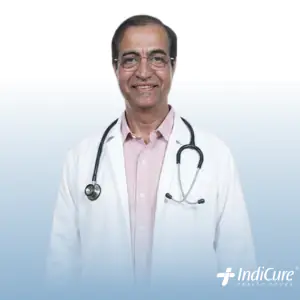
Dr. Shirish Hastak

Dr. Shirish Hastak, neurologist and stroke specialist in Mumbai

Mumbai

Experience: 40+ years

Hospital: Gleneagles Hospital, Parel

Speciality: Neurology (Stroke and Neurocritical Care)

Qualification: MBBS, MD, DM (Neurology), ECFMG

Fellowships and Training: Stroke Fellowship, Western University, London, Ontario, Canada
  • Current role: Regional Director, Neurology, Stroke and Neurocritical Care, Gleneagles Hospital, Parel, Mumbai
  • Patients treated: Adults with stroke and other acute neurological conditions, and patients needing stroke prevention
  • Clinical focus: Stroke treatment, including clot-dissolving therapy and clot retrieval, stroke prevention and neurocritical care
  • Key strength: Gleneagles reports that he set up the first stroke unit in Western India in 2001. Past President of the Indian Stroke Association, and recipient of the Economic Times Inspiring Neurologist Award (2018).

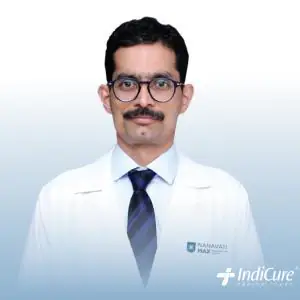
Dr. Pradyumna J. Oak

Dr. Pradyumna J. Oak, neurologist in Mumbai

Mumbai

Experience: 20+ years

Hospital: Nanavati Max Super Speciality Hospital

Speciality: Neurology (Stroke and Neurointervention)

Qualification: MBBS, MD, DM (Neurology), FINR
  • Current role: Principal Director, Neurology, Centre for Neurosciences, Nanavati Max Super Speciality Hospital, Mumbai
  • Patients treated: Adults with stroke, epilepsy, brain aneurysms and other neurological conditions
  • Clinical focus: Acute stroke care, neurointervention and stroke prevention
  • Key strength: Former Additional Professor of Neurology at Seth G.S. Medical College and KEM Hospital. He helped set up the Stroke Unit and Neuro ICU at Nanavati Max.

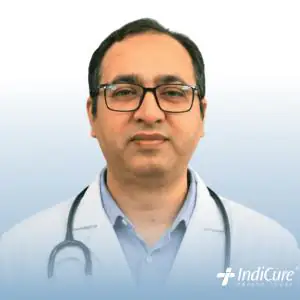
Dr. Prashant Makhija

Dr. Prashant Makhija, neurologist in Mumbai

Mumbai

Experience: 10+ years

Hospital: Wockhardt Hospital, Mumbai Central

Speciality: Neurology

Qualification: MBBS, MD, DM (Neurology)
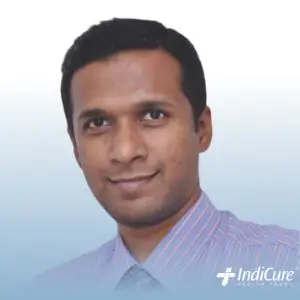
  • Current role: Consultant Neurologist, Wockhardt Hospital, Mumbai Central
  • Patients treated: Adults with epilepsy, stroke, headache, sleep disorders, vertigo and movement disorders
  • Clinical focus: Epilepsy, stroke prevention, sleep medicine, headache and spasticity management
  • Key strength: Certified sleep disorders specialist. Wockhardt reports that he has treated more than 10,000 patients.

Dr. Anil Venkitachalam

Dr. Anil Venkitachalam, neurologist and movement disorder specialist in Mumbai

Mumbai

Experience: 15+ years

Hospital: Fortis Hospital, Mulund

Speciality: Neurology (Movement Disorders)

Qualification: MBBS (Dr. D.Y. Patil Medical College), MD (General Medicine) and DM (Neurology), Sri Ramachandra Medical College, Chennai

Fellowships and Training: Postdoctoral Fellowship in Movement Disorders, University of Alberta, Canada
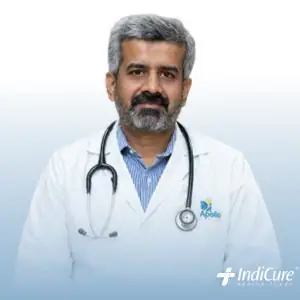
  • Current role: Consultant, Neurology, Fortis Hospital, Mulund, Mumbai
  • Patients treated: Adults with Parkinson's disease, Huntington's disease, hereditary spastic paraplegia and other movement and degenerative disorders
  • Clinical focus: Movement disorders, deep brain stimulation, botulinum toxin injections and neurophysiology
  • Key strength: Formerly managed the adult neurology and movement disorders unit at Amrita Institute of Medical Sciences. He has 30 publications and has been involved in international clinical trials.

Dr. Shekhar G. Patil

Dr. Shekhar G. Patil, paediatric and adult neurologist in Navi Mumbai

Navi Mumbai

Experience: 16+ years

Hospital: Apollo Hospitals, CBD Belapur

Speciality: Neurology (Adult and Paediatric) and Paediatric Epilepsy

Qualification: MBBS, MD (Paediatrics), DM (Neurology), DNB (Neurology)

Fellowships and Training: Clinical Fellowships in Paediatric Neurology and Paediatric Epilepsy, Great Ormond Street Hospital for Children, London
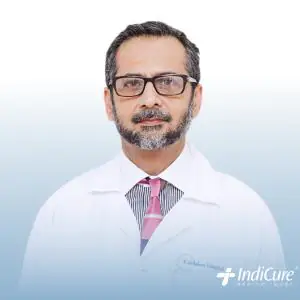
  • Current role: Consultant, Neurology (Adult and Paediatrics), Apollo Hospitals, Navi Mumbai
  • Patients treated: Children and adults with epilepsy, developmental and neurological disorders, and Parkinson's disease
  • Clinical focus: Paediatric epilepsy, developmental neurology and adult neurology
  • Key strength: Trained in paediatric neurology and paediatric epilepsy at Great Ormond Street Hospital for Children, London.

Dr. Mohit Bhatt

Dr. Mohit Bhatt, neurologist and movement disorder specialist in Mumbai

Mumbai

Experience: 35+ years

Hospital: Kokilaben Dhirubhai Ambani Hospital

Speciality: Neurology (Movement Disorders)

Qualification: MBBS, MD (General Medicine), DM (Neurology), Grant Medical College and Sir J.J. Group of Hospitals, Mumbai

Fellowships and Training: University of British Columbia, Vancouver, Canada; National Hospital for Neurology and Neurosurgery, Queen Square, London
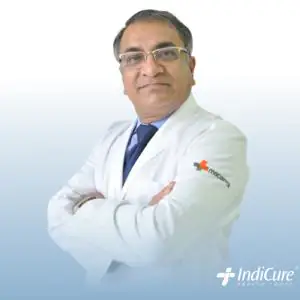
  • Current role: Director, Neurosciences, and Director, Medical Research, Kokilaben Dhirubhai Ambani Hospital, Mumbai
  • Patients treated: Adults with Parkinson's disease, Wilson disease, progressive supranuclear palsy, dystonia and other movement disorders
  • Clinical focus: Movement disorders, assessment and programming for deep brain stimulation (DBS), botulinum toxin therapy and neurogenetic disorders
  • Key strength: Founded the movement disorders programme at Kokilaben Hospital, with more than 60 international publications. Founder Trustee of the Parkinson's Disease Foundation of India.

Dr. Vinay Goyal

Dr. Vinay Goyal, neurologist in Gurugram

Gurugram

Experience: 30+ years

Hospital: Medanta - The Medicity

Speciality: Neurology (Movement Disorders, Stroke and Neuroimmunology)

Qualification: MBBS, MD (General Medicine), RNT Medical College, Udaipur; DM (Neurology), AIIMS, New Delhi
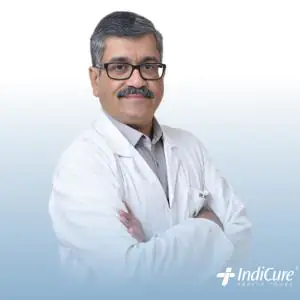
  • Current role: Chairman, Neurology, Institute of Neurosciences, Medanta - The Medicity, Gurugram
  • Patients treated: Adults with Parkinson's disease and other movement disorders, stroke, multiple sclerosis and other immune-related neurological conditions
  • Clinical focus: Parkinson's disease, movement disorders, stroke and neuroimmunology
  • Key strength: Former Professor of Neurology at AIIMS, New Delhi, and Past President of the Movement Disorders Society of India.

Dr. Sumit Singh

Dr. Sumit Singh, neurologist in Gurugram

Gurugram

Experience: 25+ years

Hospital: Artemis Hospital

Speciality: Neurology (Movement Disorders and Headache)

Qualification: MBBS (MLB Medical College, Jhansi), MD (Medicine, LLRM Medical College, Meerut), DM (Neurology, AIIMS, New Delhi)
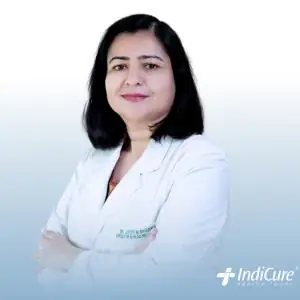
  • Current role: Chairperson, Neurology, Artemis Hospital, Gurugram
  • Patients treated: Adults with Parkinson's disease, dystonia, migraine and other headaches, multiple sclerosis, myasthenia gravis and neuropathy
  • Clinical focus: Movement disorders, headache, botulinum toxin therapy and spasticity management
  • Key strength: Artemis reports that he set up India's first government-sector headache clinic at AIIMS in 2002, and previously led the movement disorders and headache programmes at Medanta. He has 126 peer-reviewed publications.

Dr. Jyoti Bala Sharma

Dr. Jyoti Bala Sharma, neurologist in Noida

Noida (Delhi-NCR)

Experience: 25+ years

Hospital: Fortis Hospital, Noida

Speciality: Neurology

Qualification: DM (Neurology), G.B. Pant Institute of Postgraduate Medical Education and Research, New Delhi
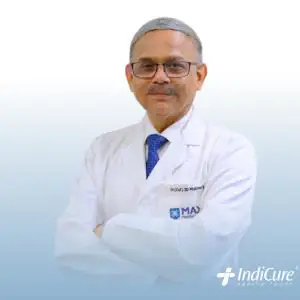
  • Current role: Director and Head, Neurology, Fortis Hospital, Noida
  • Patients treated: Adults with stroke, movement disorders, epilepsy, and headache
  • Clinical focus: Acute stroke treatment, botulinum toxin therapy, carpal tunnel injection and nerve conduction studies (EMG and NCV)
  • Key strength: Started the stroke treatment programme at Fortis Noida, which has held the World Stroke Organization's Angels Diamond Status since 2021.

Dr. (Col.) Joy Dev Mukherji

Dr. Joy Dev Mukherji, neurologist in New Delhi

New Delhi

Experience: 28+ years

Hospital: Max Super Speciality Hospital, Saket

Speciality: Neurology (Multiple Sclerosis and Movement Disorders)

Qualification: MBBS (Gold Medal), MD (Medicine), DM (Neurology, PGI Chandigarh), FRCP (Edinburgh)

Fellowships and Training: Special training in multiple sclerosis, Switzerland
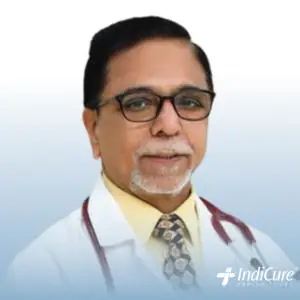
  • Current role: Chairman and Head, Neurology, Max Super Speciality Hospital, Saket, New Delhi
  • Patients treated: Adults with multiple sclerosis, movement disorders, stroke and headache, and critically ill neurological patients
  • Clinical focus: Multiple sclerosis, movement disorders, stroke and critical care neurology
  • Key strength: Served more than 23 years in the Armed Forces Medical Services, including as senior faculty at the Army Hospital (Research and Referral), New Delhi. He received the Chief of Army Staff's Commendation (2004).

Dr. Man Mohan Mehndiratta

Dr. Man Mohan Mehndiratta, neurologist in New Delhi

New Delhi

Experience: 35+ years

Hospital: BLK-Max Super Speciality Hospital

Speciality: Neurology (Epilepsy, Stroke and Demyelinating Disorders)

Qualification: MBBS, MD (Medicine), DNB (Medicine), DM (Neurology); FAAN, FRCP, FAMS
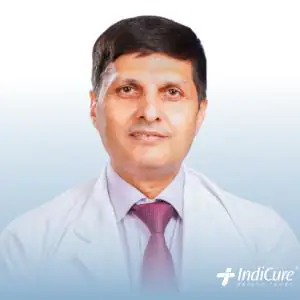
  • Current role: Vice Chairman and Unit Head, Neurology, BLK-Max Super Speciality Hospital, New Delhi
  • Patients treated: Adults with epilepsy, stroke, multiple sclerosis and other demyelinating disorders, and Parkinson's disease
  • Clinical focus: Epilepsy, stroke, multiple sclerosis and clinical neurology
  • Key strength: Former Director Professor of Neurology at G.B. Pant Hospital, New Delhi, with more than 250 publications. Former Editor-in-Chief of the International Journal of Epilepsy, and a Fellow of the World Stroke Organization.

Dr. Sanjay Pandey

Dr. Sanjay Pandey, neurologist and movement disorder specialist in Faridabad

Faridabad (Delhi-NCR)

Experience: 20+ years

Hospital: Amrita Hospital

Speciality: Neurology (Parkinson's Disease and Movement Disorders)

Qualification: MBBS (Grant Medical College, Mumbai), MD (Medicine, BHU, Varanasi), DM (Neurology), DNB (Neurology), FIAN

Fellowships and Training: Fellowship in Parkinson's Disease and Movement Disorders, National Institutes of Health (NINDS/NIH), USA

  • Current role: Head, Neurology and Stroke Medicine, Amrita Hospital, Faridabad
  • Patients treated: Adults with Parkinson's disease, dystonia, essential tremor, Wilson's disease and other movement disorders
  • Clinical focus: Parkinson's disease, dystonia, botulinum toxin therapy and functional movement disorders
  • Key strength: Former Professor of Neurology at G.B. Pant Institute of Postgraduate Medical Education and Research, New Delhi, with an NIH fellowship in movement disorders.

What Does a Neurologist Do?

A neurologist is a doctor who specialises in diagnosing and treating diseases of the brain, spinal cord, nerves and muscles without surgery. Neurologists:

  • Diagnose the cause of symptoms such as seizures, weakness, numbness, tremor, memory loss, dizziness or severe headaches
  • Order and interpret tests such as MRI and CT scans, EEG (brain wave tests), EMG and nerve conduction studies, and lumbar puncture
  • Treat with medicines and procedures such as anti-seizure medicines, Parkinson's medicines, disease-modifying therapy for multiple sclerosis, and botulinum toxin injections
  • Manage long-term conditions such as epilepsy, Parkinson's disease and multiple sclerosis, adjusting treatment over time
  • Decide when surgery may help and refer patients to a neurosurgeon, for example for epilepsy surgery or deep brain stimulation

When Should You See a Neurologist?

You may need to see a neurologist if you have:

  • Seizures or fits, or episodes of blackouts or staring spells
  • Tremor, stiffness or slow movements, which can be signs of Parkinson's disease
  • Frequent or severe headaches or migraine that do not respond to usual treatment
  • Numbness, tingling or weakness in the arms, legs or face
  • Memory loss or confusion that is getting worse
  • Problems with balance, walking or vision, which can be signs of multiple sclerosis
  • Had a stroke or mini-stroke (TIA), and need treatment to prevent another

Sudden weakness on one side, slurred speech or a drooping face needs emergency care. Call your local emergency number straight away.

Neurologist or Neurosurgeon: Which Do You Need?

A neurologist treats brain and nerve conditions with medicines, tests and procedures that don't involve surgery. A neurosurgeon operates on the brain, spine and nerves. Most patients see a neurologist first. If tests show that surgery could help, for example for a brain tumour, a spinal problem, drug-resistant epilepsy or advanced Parkinson's disease, the neurologist works with a neurosurgeon to plan it.

See top neurosurgeons in India →

Conditions Treated and Treatments Offered by the Neurologists on This Page

The neurologists on this page diagnose and treat conditions such as:

  • Epilepsy and seizures, including drug-resistant epilepsy in adults and children
  • Parkinson's disease and movement disorders, such as dystonia, essential tremor, Wilson disease and Huntington's disease
  • Stroke and TIA: treatment, prevention and recovery planning
  • Multiple sclerosis and other demyelinating disorders, such as NMOSD
  • Migraine and other headaches, and trigeminal neuralgia
  • Dementia, including Alzheimer's disease
  • Neuropathy and neuromuscular disorders, such as myasthenia gravis, Guillain-Barré syndrome and muscular dystrophy
  • Sleep disorders, vertigo and dizziness

Common tests and treatments include:

  • MRI, CT and PET scans of the brain and spine
  • EEG and video EEG monitoring: recording brain activity to diagnose epilepsy and plan treatment
  • EMG and nerve conduction studies: testing nerve and muscle function
  • Anti-seizure and Parkinson's medicines, adjusted to each patient
  • Disease-modifying therapy for multiple sclerosis: medicines that reduce relapses and slow progression
  • Botulinum toxin (Botox) injections: for dystonia, spasticity, chronic migraine and hemifacial spasm
  • Plasma exchange and IV immunoglobulin (IVIg): for selected immune-related nerve and muscle conditions
  • Assessment for deep brain stimulation (DBS) and epilepsy surgery, together with neurosurgeons
Watch Our Patients Talk
extraordinary-success-story-of-medical-travel

Yves Ferdinand Guiquin traveled from Cameroon to India with IndiCure after suffering sudden paralysis, where doctors pinpointed a severe spinal infection in just two days—enabling him to walk again five days after treatment.

video-testimonials-for-Dr.-Mazda-Turel

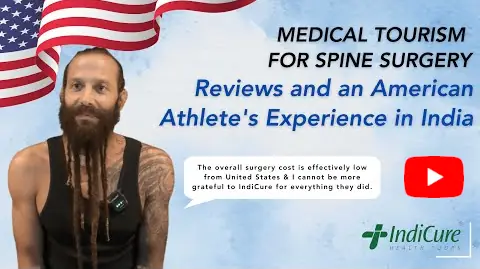
Christopher Sierzant, a US athlete chose IndiCure for minimally invasive spine surgery in India after facing prohibitive healthcare costs in the US, and shares how he returned to an active life after surgery.

mr-mohammed-chose-indicure-for-spine-surgery

Mr. Mohammed chose IndiCure in India to fix a failed spine surgery from Turkey, praising Indian surgeons for their precise approach, modern technology, and clear communication.

Frequently Asked Questions About Neurologists in India

There is no single best neurologist for every patient. The right neurologist depends on your condition, for example epilepsy, Parkinson's disease, stroke or multiple sclerosis, and the neurologist's experience with it. The neurologists on this page practise at major hospitals in Mumbai, Navi Mumbai and Delhi-NCR, and their official profiles are linked so you can check their credentials.

A neurologist diagnoses and treats brain, spinal cord and nerve conditions with medicines, tests and other non-surgical treatments. A neurosurgeon performs surgery on the brain, spine and nerves. Most patients see a neurologist first, who refers them to a neurosurgeon if surgery could help.

Yes. About one in three people with epilepsy continue to have seizures despite trying two or more medicines. Major hospitals in India offer video EEG monitoring, advanced MRI and other tests to find where seizures start. They also offer treatments such as epilepsy surgery, vagus nerve stimulation and dietary therapy for suitable patients.

Yes. DBS is available at several major hospitals in India for selected patients with Parkinson's disease, dystonia and essential tremor. A neurologist first assesses whether you are suitable, usually by checking how well you respond to medicines. A neurosurgeon then implants the device, and the neurologist programmes and adjusts it.

Yes. Neurologists in India diagnose multiple sclerosis with MRI and other tests, and treat it with disease-modifying therapies that reduce relapses and slow disease progression. Relapses are treated with steroids or plasma exchange. Your neurologist will advise which therapy suits your type of MS.

Yes. Many hospitals in India offer stroke rehabilitation, including physiotherapy, occupational therapy and speech therapy, alongside treatment to prevent another stroke. Emergency stroke treatment must be given where the stroke happens, but patients often travel for rehabilitation, prevention and second opinions.

Yes. Botulinum toxin injections are an established treatment for chronic migraine, dystonia (including neck and eyelid dystonia), hemifacial spasm, and muscle stiffness (spasticity) after stroke or brain injury. Several neurologists on this page specialise in these treatments.

Outside clinical trials, stem cell therapy is not a standard treatment for most neurological conditions, including Parkinson's disease, autism, cerebral palsy, spinal cord injury and stroke. One exception is autologous haematopoietic stem cell transplant (aHSCT), which specialist centres use for some patients with aggressive relapsing multiple sclerosis. Discuss any stem cell treatment you are offered with a qualified neurologist.

Depending on your symptoms, a neurologist may order MRI or CT scans of the brain or spine, an EEG or video EEG for seizures, EMG and nerve conduction studies for nerve and muscle problems, blood tests, a lumbar puncture, or genetic tests. Most of these can be done within a few days at the hospitals on this page.

For a consultation and routine tests, a few days to a week is often enough. Video EEG monitoring, DBS assessment or treatment of a complex condition may need a longer stay. Your neurologist will estimate the time after reviewing your reports.

Send your MRI or CT scan images (on a CD or online link) and reports, EEG or EMG reports, recent blood tests, a list of your current medicines and doses, and a short history of your symptoms. A video of the episodes can be very helpful for seizures or abnormal movements.

Yes. Share your reports with IndiCure, and we can arrange a written opinion or a video consultation with one of the neurologists on this page, subject to their availability, before you decide to travel.

In most cases, yes. Your Indian neurologist can give you a detailed summary with the diagnosis, medicines and doses, and a follow-up plan, so that treatment can continue with a neurologist at home. Video follow-up consultations can also be arranged.

The cost depends on the condition, the tests needed, the treatment, the hospital, and the length of stay. Send your reports to IndiCure for a free, personalised quote.

About This Page

This page was curated by Dr. Anjali Mishra, BDS, and medically reviewed by Dr. Harish Pamnani, MBBS, DCH.

Medical Disclaimer

This information is for educational purposes only. IndiCure facilitates medical travel and does not provide medical advice, diagnosis or treatment. Neurological conditions must be assessed by a qualified neurologist. Sudden weakness, numbness, loss of speech or vision, or a seizure lasting more than five minutes needs emergency medical care. Treatment options, risks, and outcomes vary from patient to patient.

How This Page Is Verified

Each neurologist's qualifications, experience, and hospital affiliation are reviewed against IndiCure's 15-Point Specialist Selection Criteria, using official hospital profiles and the National Medical Commission register where applicable. Awards, publications and other professional achievements are presented as reported by the doctor or hospital.

Credentials were last verified in November 2026.

Sources:

  1. Dr. Shirish Hastak - Gleneagles Hospital, Parel, Mumbai
  2. Dr. Pradyumna J. Oak - Nanavati Max Super Speciality Hospital, Mumbai
  3. Dr. Prashant Makhija - Wockhardt Hospital, Mumbai Central
  4. Dr. Anil Venkitachalam - Fortis Hospital, Mulund, Mumbai
  5. Dr. Shekhar G. Patil - Apollo Hospitals, Navi Mumbai
  6. Dr. Mohit Bhatt - Kokilaben Dhirubhai Ambani Hospital, Mumbai
  7. Dr. Vinay Goyal - Medanta - The Medicity, Gurugram
  8. Dr. Sumit Singh - Artemis Hospital, Gurugram
  9. Dr. Jyoti Bala Sharma - Fortis Hospital, Noida
  10. Dr. (Col.) Joy Dev Mukherji - Max Super Speciality Hospital, Saket
  11. Dr. Man Mohan Mehndiratta - BLK-Max Super Speciality Hospital, New Delhi
  12. Dr. Sanjay Pandey - Amrita Hospital, Faridabad

Medical References:

Related Reading:

Let Us Get in Touch...

Patient Success Stories

How We Support Your Treatment Journey

We handle every detail of your trip so you can focus entirely on your health and recovery:

Why international patients choose IndiCure for surgical care in India

Medical Information Disclaimer and Patient Advisory

The content provided on this website is intended for general educational purposes only and does not constitute professional medical advice, diagnosis, or treatment. While we maintain a comprehensive editorial policy to ensure the accuracy and reliability of our information, this content should not be utilized as a substitute for professional clinical care.

Individual Results: All "before and after" photographs are illustrative examples of potential outcomes; actual surgical results vary significantly by individual.

Mandatory Consultation: We strongly advise a personal, in-person evaluation with a qualified surgeon to assess your specific medical needs and realistic procedural goals.

Surgical Risk: It is vital to maintain realistic expectations and fully understand potential complications before electing for surgery.