
Pyeloplasty Cost in India
Written By:
Dr. Chhaya Rakh
Medically Reviewed By:
Dr. Ruchika Malhotra, BOT, OTR (USA), MSW
Last updated: August 27, 2026
Written By:
Dr. Chhaya Rakh
Medically Reviewed By:
Dr. Ruchika Malhotra, BOT, OTR (USA), MSW
Last updated: August 27, 2026
One of the key costs you will face when contemplating Pyeloplasty surgery in India is the urologist's fee. IndiCure connects you with board-certified urologists in India who are highly skilled and have delivered successful surgeries. While the urologist's fee can vary based on their experience, you can trust IndiCure to recommend doctors who prioritize your safety and deliver excellent outcomes when you choose Pyeloplasty in India.
There are various methods to perform the surgery, such as Open, Laparoscopic, or Robotic techniques, each influencing the cost of pyeloplasty. Additionally, a significant portion of the overall expense may come from using customized surgical instruments or advanced computer technology. As new techniques and technologies are introduced to enhance patient care, these innovative advancements in the surgical approach can also contribute to higher costs of Pyeloplasty in India.
Choosing an accredited medical facility with skilled and qualified medical staff is crucial for the success of Pyeloplasty surgery in India. In India, larger cities typically offer superior medical facilities and more experienced surgeons, resulting in higher costs. IndiCure Health Tours specifically recommends surgical facilities in larger cities of India to prioritize quality of care and ensure patient safety.
Pyeloplasty costs vary with the complexity of the obstruction and whether an open, laparoscopic or robotic approach is required. Stent placement and post-operative monitoring may also affect the cost.
At IndiCure, we consolidate most of the expenses for your Pyeloplasty cost in India to provide you with an inclusive and cost-effective package tailored to your budget and individual requirements. After receiving medical reports, your case manager will provide an estimated cost based on a discussion with the surgeon.
The final Pyeloplasty cost in India can however be confirmed after your face-to-face consultation with the urologist.

We Help you Choose the Right Treatment, Surgeon & Hospital

We Arrange Video/Telephonic Consultation with the Surgeon

We Assist you with Visa & Accommodation

We Receive you at the Airport and Drop you at Hotel/Hospital

We Assist you the at Hospital & Provide Post Operative Support
IndiCure offers exclusive savings on your medical travel. We partner with hospitals to negotiate special rates, ensuring you get the best possible price on your healthcare when you travel with us.
Here is a set of questions you should consider asking before commencing your journey for Pyeloplasty surgery in India.
Prepare to answer questions about your:
Privacy Note: Your medical information is handled confidentially and is used only for patient support and treatment coordination.
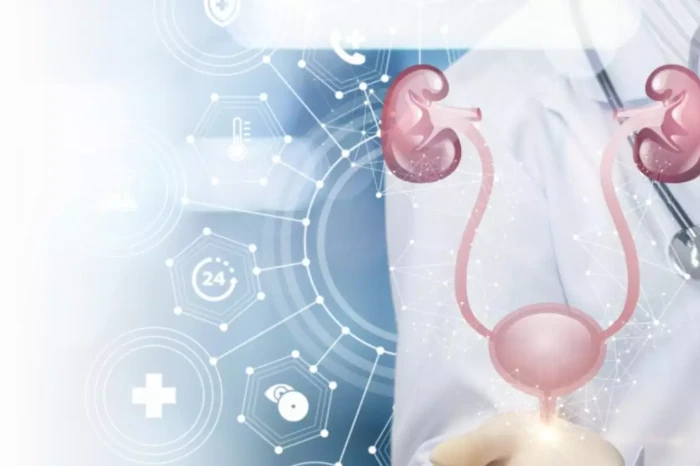
Pyeloplasty is a procedure that allows urine to flow freely from the kidney to the lengthy tube that connects the kidney to the bladder (ureter). The ureteropelvic junction (UPJ) blockage is the name for this type of obstruction.
The surgery's purpose is to establish a free flow of urine, which will relieve edema and pressure in the kidney. Pyeloplasty is the most common surgical surgery for the treatment of kidney enlargement caused by urine collecting (hydronephrosis). The procedure clears the obstruction between the ureter and the renal pelvis (UPJ blockage). It reconnects the healthy segment of the ureter to the kidney's drainage system after removing the constricted or obstructed portion.
Types of Pyeloplasty
1) Open Pyeloplasty: The incision can be made in the lower back, right beneath the 12th rib, across the abdomen, or in the flank region, which is the most traditional technique of performing the surgery. In each case, a lengthy cut is done, exposing the kidney by removing the skin, intermediate tissue, and muscles. The ureter is then rejoined to the renal pelvis after the constricted part of the junction is cut and removed. A stent is sometimes put in the narrowed area to keep the area open and allow for easy urine drainage. Muscles, skin, and other tissues are sewn up after the treatment. The patient is required to stay in the hospital for 3-4 days, with a recovery period of 1-3 months.
2) Laparoscopic Pyeloplasty: The treatment was initially carried out in 1993 and since then has steadily gained acceptance among patients and surgeons alike. Small cuts and microscopic instruments replace huge incisions in this surgery, which is similar to open pyeloplasty. Even though the surgery necessitates specialized expertise, it is a preferred option due to the shorter hospital stay and speedier recovery.
Pyeloplasty may be necessary for both adults and children to correct a ureteropelvic junction (UPJ) obstruction, a condition that impairs the flow of urine from the kidney to the bladder. This blockage is relatively common, affecting approximately one in every 1,500 babies, with the incidence being twice as high in males compared to females.
In infants, if the obstruction does not resolve on its own within the first 18 months of life, surgical intervention through pyeloplasty is often recommended.
While UPJ obstruction is frequently diagnosed in infants, it can also develop later in life. Adults, teenagers, and older children may experience this condition due to congenital factors or acquired causes, such as kidney stones or scarring from previous surgeries.
If the obstruction leads to significant kidney blockage, pyeloplasty may be required to restore normal urinary flow and prevent further complications.
The following steps outline how pyeloplasty surgery is performed in babies and infants:
During an open pyeloplasty, a small incision of approximately two to three inches is made just below your baby's rib cage. This incision allows the surgeon to access the ureter, where the obstructed segment causing the blockage is carefully removed.
Once the obstructed portion of the ureter is excised, the healthy section of the ureter is meticulously reconnected to the renal pelvis. This reconnection is done using the normal caliber ureter, ensuring a clear passage for urine to flow from the kidney to the bladder.
A stent—a small, flexible silicone tube—is temporarily placed within the kidney. This stent helps maintain the open passage and allows urine to bypass the surgical site. The stent will be left in and it will be removed during a follow-up procedure.
The following steps outline how pyeloplasty surgery is performed in children and adults:
The surgeon will begin by making a series of small incisions in your baby's abdomen, typically ranging from eight to ten millimeters in length. These tiny incisions are strategically placed to allow the surgeon to access the affected area with minimal disruption to surrounding tissues.
Your surgeon's assistant robot contains three to four robotic arms. Two to three people are holding instruments, and one is holding a camera. The devices have a similar range of motion to the human hand and can remove the narrow/scarred area of the UPJ blockage while reconnecting the normal tissue.
Recovery from pyeloplasty involves a gradual return to normal activities, with careful monitoring by your healthcare team to ensure proper healing. Here's what you can expect:
After the surgery, your healthcare professional will closely monitor your progress for several months to ensure that the urinary flow has been successfully restored and that there are no complications. Regular follow-up appointments, including imaging tests like ultrasounds or scans, may be scheduled to assess kidney function and confirm that the obstruction has been fully resolved.
Your healthcare provider will give specific instructions on how and when to resume your regular activities. It's important to follow these guidelines to avoid strain on the surgical site and ensure a smooth recovery.
In the first few days after surgery, you'll be encouraged to take short walks as soon as possible. This helps improve circulation, promotes healing, and reduces the risk of blood clots. Although it might feel challenging initially, moving around soon after surgery is crucial for your recovery.
Heavy lifting, strenuous activities, and vigorous exercise should be avoided for about four to six weeks following the surgery. This timeframe allows the surgical area to heal properly and reduces the risk of complications, such as hernias or reopening of the incisions. After this period, and with your healthcare provider's approval, you can gradually resume lifting heavy objects and engaging in more intense physical activities.
Even after resuming normal activities, it's important to listen to your body and avoid pushing yourself too hard, too quickly. If you experience any unusual pain, discomfort, or other symptoms, contact your healthcare provider immediately. By following your recovery plan and attending all scheduled follow-up appointments, you can ensure the best possible outcome from your pyeloplasty.
Pyeloplasty is a highly effective and rewarding procedure, with success rates ranging from 85% to 100%. It is considered the most successful surgical option for treating UPJ obstruction, offering superior outcomes compared to other methods.

Dr. H S Bhatyal
MBBS, MS, MCh
40+ Years of Experience
Dr. H. S. Bhatyal is one of India's most known and skilled urological surgeons. He has more than 40 years of experience, with a focus on renal transplantation. He has received the Dr. CKP Menon Award and holds Limca Book of Records National Record Edition 2001 record holder.

Dr. Vikram Sharma
MBBS, MS, Dipl (Urology)
30+ Years of Experience
With 30 years of clinical experience, Dr. Sharma is one of the most senior pioneers and inventors in the field of Indian Urology. He is the Director of Urology, Andrology, Robotics, and Kidney Transplant Surgery at Fortis Memorial Research Institute in Gurgaon, and is a nationally and internationally recognised expert.

Dr. Pankaj Maheshwari
MBBS, MS, M.Ch
23+ Years of Experience
One of the most famous names in Urology in India, Dr Maheshwari received a Traveling Fellowship from the Societe Internationale d'Urologie in 1999-2000, which he used to train in Holmium laser urology in New Zealand and New York. In India, he was a pioneer in the use of the Holmium laser in urology.

BLK Hospital
New Delhi
BL Kapur Memorial Hospital is one of the biggest standalone private hospitals in Delhi, NCR. Established by late Dr. B L Kapur, an eminent Obstetrician, and Gynecologist on invitation by then Prime Minister of India, Mr. Jawahar Lal Nehru. The institute went on to become one of Delhi's premier multi-specialty hospitals.

Fortis Hospital
Mumbai
Fortis Hospital, Mulund is a 300 bedded multispeciality tertiary care facility situated in the centre of the city, offering a range of clinical, diagnostic, and surgical services. The hospital began operations in 2002 and since then has achieved various milestones.
Following pyeloplasty, you or your child may experience some discomfort. After a week, the pain may subside, and you or your child will be prescribed medication to assist alleviate the discomfort.
Studies show that regardless of the beginning degree of relative performance, pyeloplasty did not improve renal function. In some patients whose hydronephrosis was discovered prenatally and who were originally followed with observation, a renal scan revealed that differential function decreased following pyeloplasty.
Open pyeloplasty takes 8 weeks to recover from, whereas laparoscopic pyeloplasty takes 3-4 weeks.
The success rate in terms of total radiographic clearing of the obstruction is around 90%, with symptomatic alleviation being around 95%. Endoscopic methods such as endopyelotomy, on the other hand, have a success rate of 70-80%.
A few weeks following surgery, the stent is removed in the operating room. This is an outpatient operation that can be completed the same day. A drain may be implanted in the area around the kidney and ureter to drain any excess fluid that accumulates during and after surgery. The drain is removed from the bedside once the drainage stops.
In general, the dangers of a pyeloplasty are the same as any other surgery, including infection, redness, swelling, bleeding, and the procedure failing to correct the condition. Urine can, however, flow into other places during kidney operation, causing irritation.
In addition to the pyeloplasty cost in India, there are several other expenses you should plan for when organizing your medical trip for pyeloplasty. These include:
By accounting for these additional expenses along with the pyeloplasty cost in India, you can create a comprehensive budget and ensure a smooth, comfortable recovery experience.
Beyond treatment coordination, IndiCure also helps international patients experience a more comfortable and meaningful healthcare journey in India.

We assist patients in accessing wellness retreats focused on relaxation, restorative care, and recovery support.
Know More >>
IndiCure helps patients access Ayurveda programs through selected wellness centers and experienced practitioners.
Know More >>
From cultural experiences and historical destinations to local guidance during recovery, IndiCure helps international visitors experience India in a comfortable and supportive environment.
Know More >>We handle every detail of your trip so you can focus entirely on your health and recovery:
The content provided on this website is intended for general educational purposes only and does not constitute professional medical advice, diagnosis, or treatment. While we maintain a comprehensive editorial policy to ensure the accuracy and reliability of our information, this content should not be utilized as a substitute for professional clinical care.
Individual Results: All "before and after" photographs are illustrative examples of potential outcomes; actual surgical results vary significantly by individual.
Mandatory Consultation: We strongly advise a personal, in-person evaluation with a board-certified surgeon to assess your specific medical needs and realistic procedural goals.
Surgical Risk: It is vital to maintain realistic expectations and fully understand potential complications before electing for surgery.